Lula da Silva Reportedly Elected Brazil’s President for a Historic Fourth Time, Defeating Bolsonaro
Brasília, Brazil | October 26, 2026 | The Global Journal
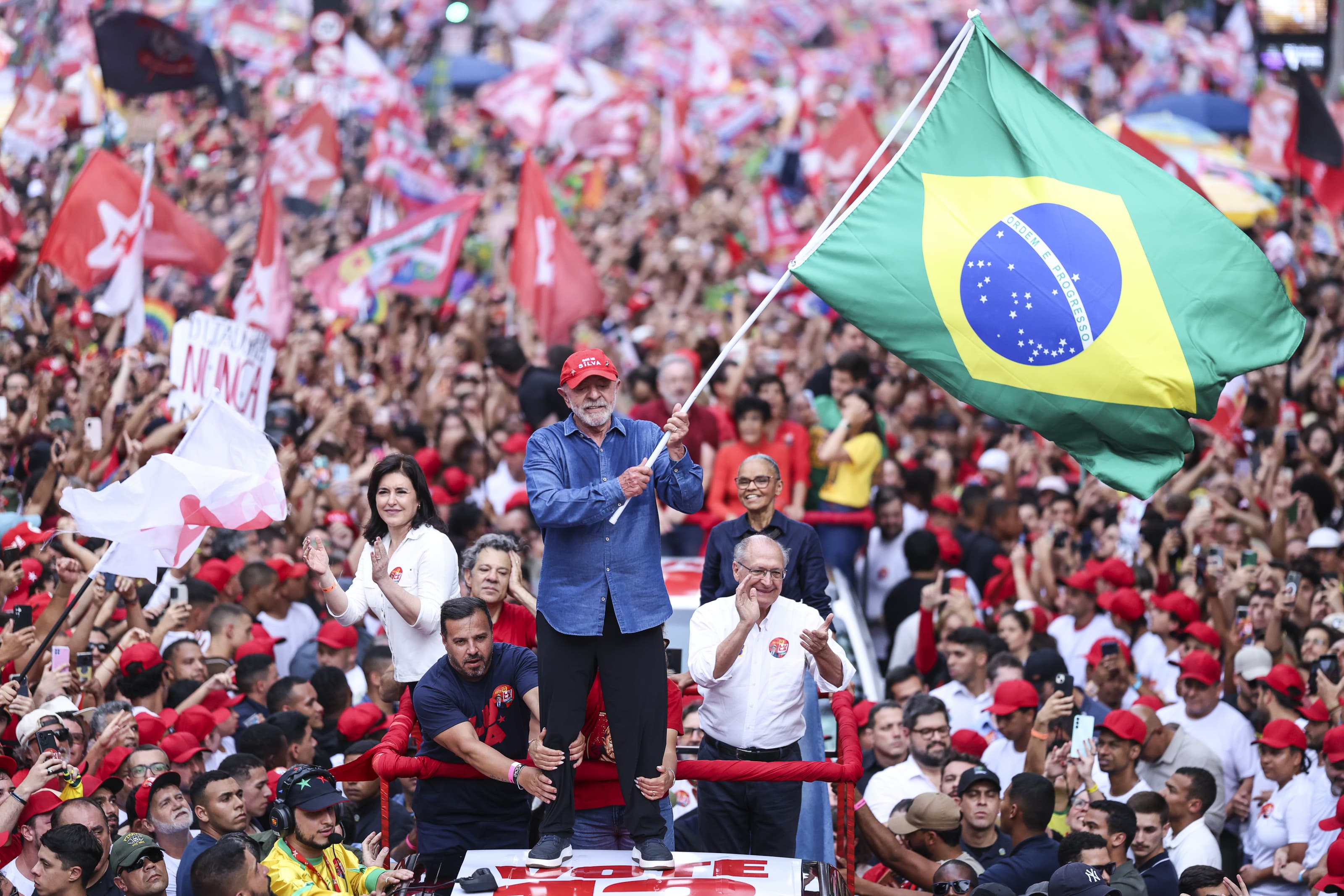
Brazilian President Luiz Inácio Lula da Silva has reportedly defeated right-wing senator Flávio Bolsonaro to win the presidency for a historic fourth time, according to the report. It states that Lula secured 51.8% of the valid votes in the runoff, while Flávio Bolsonaro received 48.2%. The difference between the two candidates was approximately 4.4 million votes.
According to the report, the victory could have significant implications not only for Brazil’s domestic politics but also for international diplomacy, the future of BRICS, and bilateral relations with India. Against the backdrop of trade tensions with the United States, cooperation among countries of the Global South, and competition over critical-mineral supply chains, Lula’s new term could prove particularly consequential.
A Reported Political Comeback
The report states that Flávio Bolsonaro received 47.03% of the vote in the first round on October 4, compared with 45.16% for Lula. However, the results reportedly shifted in the runoff, allowing Lula to take the lead.
Lula’s campaign reportedly focused on reducing the cost of living, proposing free public transportation on weekends, restructuring household debt, and strengthening outreach through social media.
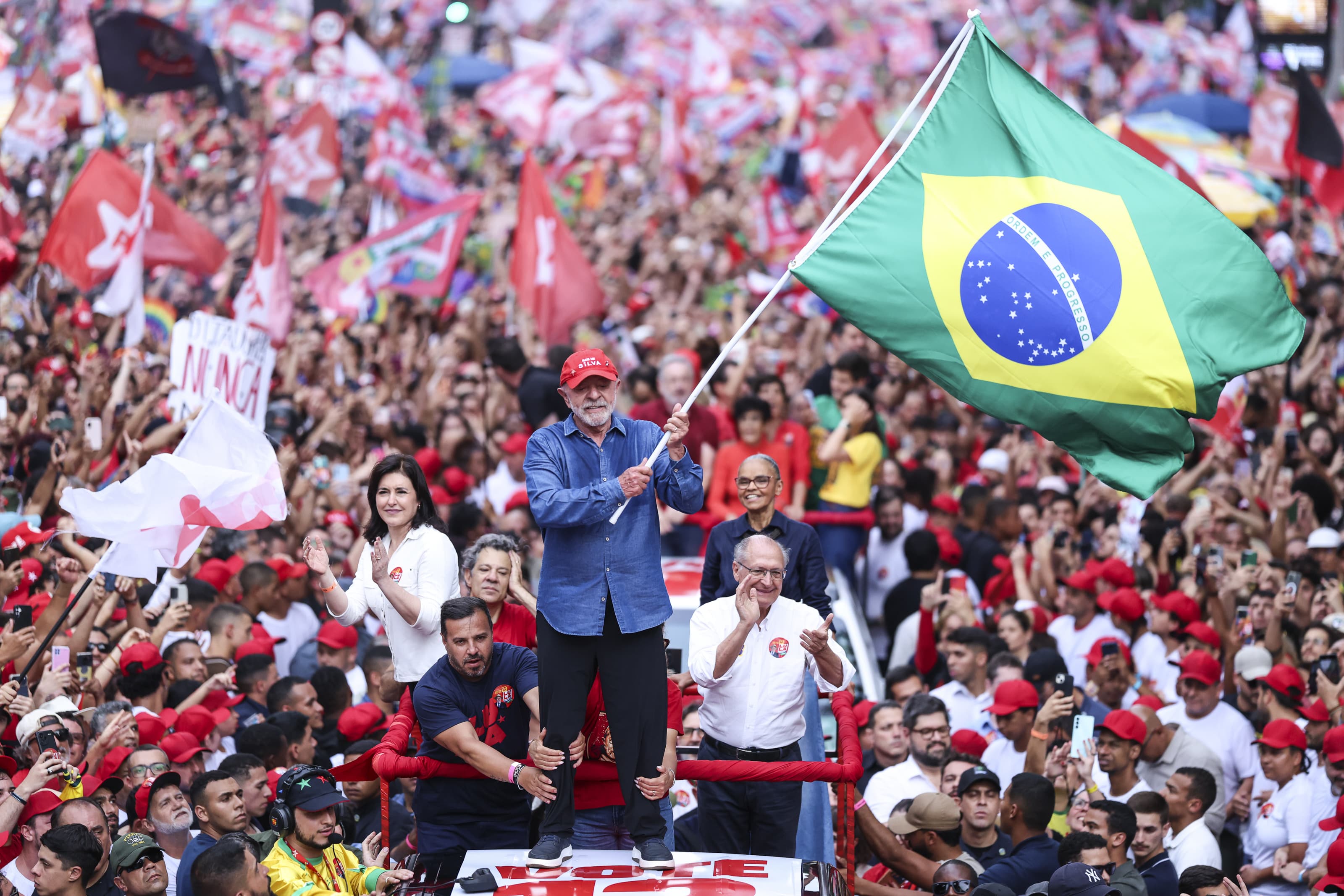
In remarks to supporters in São Paulo, Lula reportedly described his victory as a defeat for “denialist politics.” He also criticized US President Donald Trump’s tariff policies and alleged foreign interference in Brazilian politics, according to the report.
Dispute Over the Election Results
According to the report, Flávio Bolsonaro refused to accept the outcome after his defeat and said he would pursue efforts to overturn the results. He also questioned the decision to extend voting hours.
The report further states that investigations were underway in five Brazilian states over allegations that public transportation had been disrupted on election day. However, verified information from the relevant authorities is needed before any definitive conclusions can be drawn about the legal resolution of the allegations or their potential impact.
What Could the Result Mean for BRICS?
Lula has long supported BRICS as an important platform for strengthening cooperation among countries of the Global South and promoting a more multipolar international economic order.
After hosting the BRICS summit in Rio de Janeiro in 2025, Brazil handed over the bloc’s presidency to India on January 1, 2026. According to the supplied report, the declaration from the 18th BRICS Summit, held in New Delhi in September this year, expressed concern over unilateral tariffs and sanctions, called for restraint in West Asia, and emphasized local-currency transactions and greater connectivity between national payment systems.
The report also claims that Flávio Bolsonaro had previously proposed reassessing Brazil’s membership in BRICS. If Lula’s reported victory is confirmed, it could therefore increase the likelihood of continuity in Brazil’s existing BRICS policy.
However, BRICS members have differing economic and geopolitical priorities. The bloc’s future will depend on consensus among its members, trade cooperation, and their ability to coordinate responses to international crises.
India–Brazil Relations: Trade and Critical Minerals
Trade, technology, and critical minerals are among the key areas of India’s relationship with Brazil under Lula’s leadership. According to the report, during Lula’s visit to India in February 2026, the two countries discussed cooperation and reached understandings in areas including critical minerals and rare-earth elements, digital technology, mining, healthcare, and small businesses.
The report further states that India and Brazil are working toward a target of increasing bilateral trade to $30 billion by 2030. It claims that bilateral trade reached $15.07 billion in the 2025–26 financial year, citing figures attributed to India’s Ministry of Commerce.
India is seeking to reduce its dependence on China by developing alternative supply chains for critical minerals. Brazil’s rare-earth elements and other mineral resources could play an important role in this effort. Turning that potential into concrete commercial outcomes, however, will require investment, infrastructure, regulatory approvals, and private-sector participation.
US Tariff Policy and Diplomatic Balancing
Both Brazil and India are dealing with the effects of US trade policy. The supplied report refers to US tariffs on Brazilian goods and Trump’s hard-line stance toward countries associated with BRICS.
Lula has publicly criticized some US policies. India, meanwhile, is seeking to advance trade relations with the United States while maintaining ties with China and Russia.
If Brazil continues to prioritize BRICS cooperation and the expansion of local-currency trade under Lula, there may be opportunities for greater coordination with India in these areas. However, there is no guarantee that the two countries’ policy priorities will align on every issue.
Domestic Economic and Parliamentary Challenges
The report highlights challenges facing Brazil’s economy, including inflation, high interest rates, public debt, and the need to secure political support in Congress.
Lula’s new administration may need to balance the budget, economic growth, and social spending. Without sufficient support in Congress, implementing major legislation and economic reforms could prove difficult.
What Comes Next?
If Lula’s reported victory is officially confirmed, it could prompt renewed discussion about continuity in Brazil’s BRICS policy and cooperation with India on trade and critical minerals. US tariff policy and Brazil’s domestic economic conditions could also influence future policy decisions in both countries.
However, the reported election results, vote figures, and disputes described in this article should be verified against official information from Brazil’s Superior Electoral Court (TSE) and reports from reliable news organizations before publication.