$10-Million Bounty for US President, Donald Trump. ’s Assassination: Iran-Aligned Iraqi Militia Escalates Revenge Threats
The Global Journal | Bagdad, Iraq
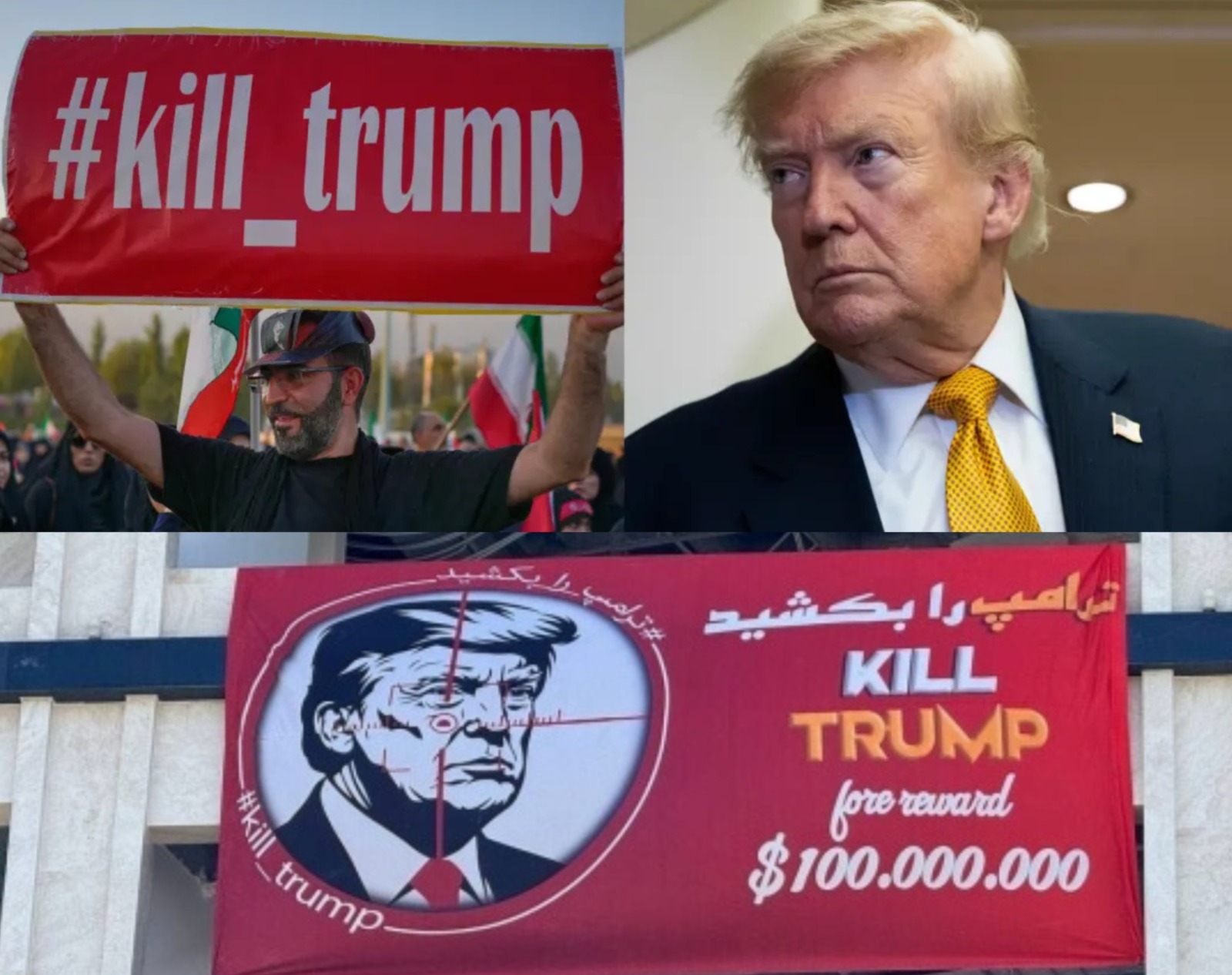
According to the Gulf News reporte -The flames of retaliation over the 2020 assassination of Major General Qassem Soleimani, the former chief of Iran’s Quds Force, have been rekindled in the Middle East. The Islamic Resistance in Iraq (IRI)—a powerful coalition of Iran-aligned armed groups—has announced a $10-million reward for the assassination of the current U.S. President, Donald Trump. The group stated that this extreme measure was triggered by Trump’s recent "audacious and offensive remarks."
The provocation stems from a high-level meeting at the White House with current Iraqi Prime Minister Ali Al-Zaidi, during which Donald Trump reportedly brought up the controversial 2020 drone strike, boasting of his role in authorizing it. That strike killed not only Qassem Soleimani but also top Iraqi militia commander Abu Mahdi al-Muhandis. Trump's renewed remarks have pushed the long-standing friction between Washington and Tehran’s regional proxy network into an unprecedented and dangerous phase.
In a formal statement, the Islamic Resistance in Iraq declared that the $10-million bounty would be awarded to "anyone who kills Donald Trump" or to anyone who finances or provides logistical support for the operation. The coalition claimed the massive sum was raised through direct donations from its members and supporters, though no verifiable financial evidence has been provided to back the claim.
From Tehran to Baghdad: Deepening Regional Resentment
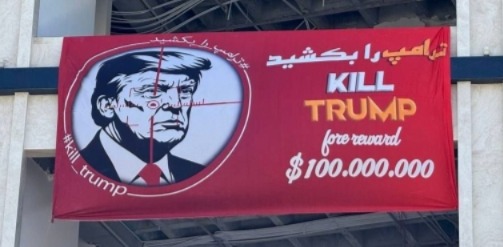
According to a report by the Gulf region media outlet Gulf News, the announcement was made during a televised event at the Imam Khomeini Mosalla Grand Mosque in Tehran and subsequently circulated widely across social media platforms. The threat marks a significant escalation; previously, during the funeral ceremonies for Iran's Supreme Leader Ayatollah Ali Khamenei, anti-U.S. militants had unfurled a banner offering a staggering $100-million bounty for the U.S. leader. This direct call to action by Iraqi militias underscores how deeply ingrained the Soleimani revenge narrative remains in the region.
Security analysts point out that while the group’s actual capability to successfully execute an attack against a sitting U.S. president remains highly questionable, the threat cannot be ignored. Tehran’s proxy networks across Iraq, Lebanon, Syria, and Yemen remain formidable. These factions have repeatedly targeted U.S. military installations and diplomatic missions across Iraq and Syria. However, a direct plot targeting the U.S. commander-in-chief represents a dramatic, unprecedented escalation.
Trump’s Retaliatory Warnings and U.S. Security Apprehensions
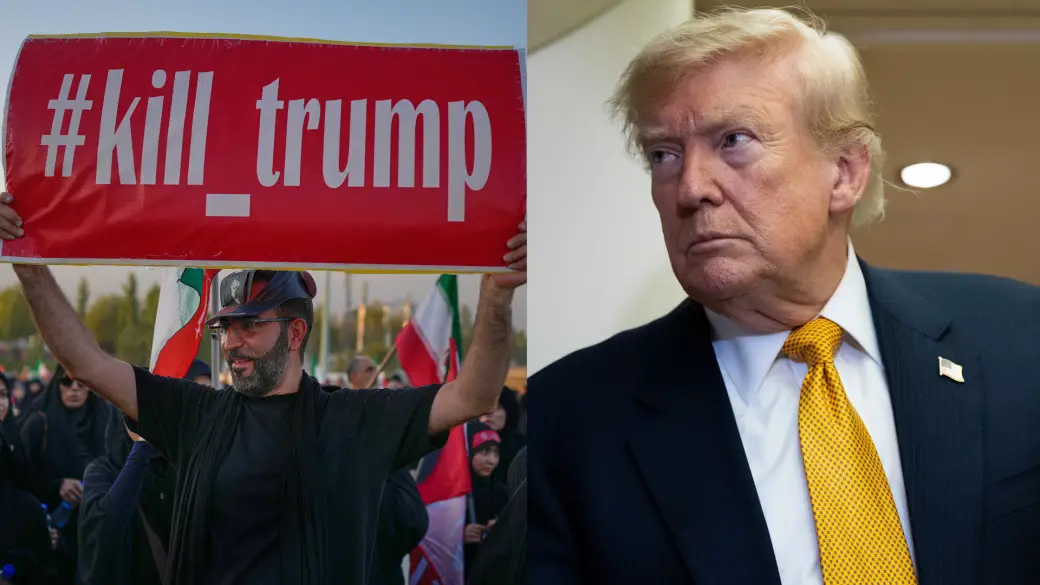
Prior to this bounty announcement, Donald Trump had issued a stern warning regarding threats to his life. He publicly stated that he has left standing orders for a massive, overwhelming military response against Iran should the country succeed in plotting his assassination. According to Trump, any such attempt would trigger an operation resulting in total devastation for Iran.
Meanwhile, American intelligence agencies have maintained for years that Trump and several former top officials from his administration face credible, ongoing threats due to their involvement in the strike against Soleimani. U.S. court filings, intelligence assessments, and recent criminal indictments have previously alleged that Iran-linked operatives attempted to recruit individuals inside the United States to carry out retaliatory assassinations against current and former American officials—charges that Tehran has consistently denied.
Proxy Warfare Enters a Volatile New Phase
International diplomats view this development as clear evidence that the confrontation between Washington and Tehran has breached the boundaries of conventional diplomacy and standard military posturing. By utilizing its allied militias, Tehran is exerting severe psychological and asymmetrical pressure on the United States while maintaining a degree of plausible deniability.
Even if the $10-million bounty is intended primarily as propaganda or psychological warfare, U.S. intelligence agencies and the Secret Service are treating the threat with the utmost seriousness given prior assassination plots. This development is expected to make the ongoing shadow conflict between U.S. and Iranian interests in the Middle East significantly more volatile and complex.