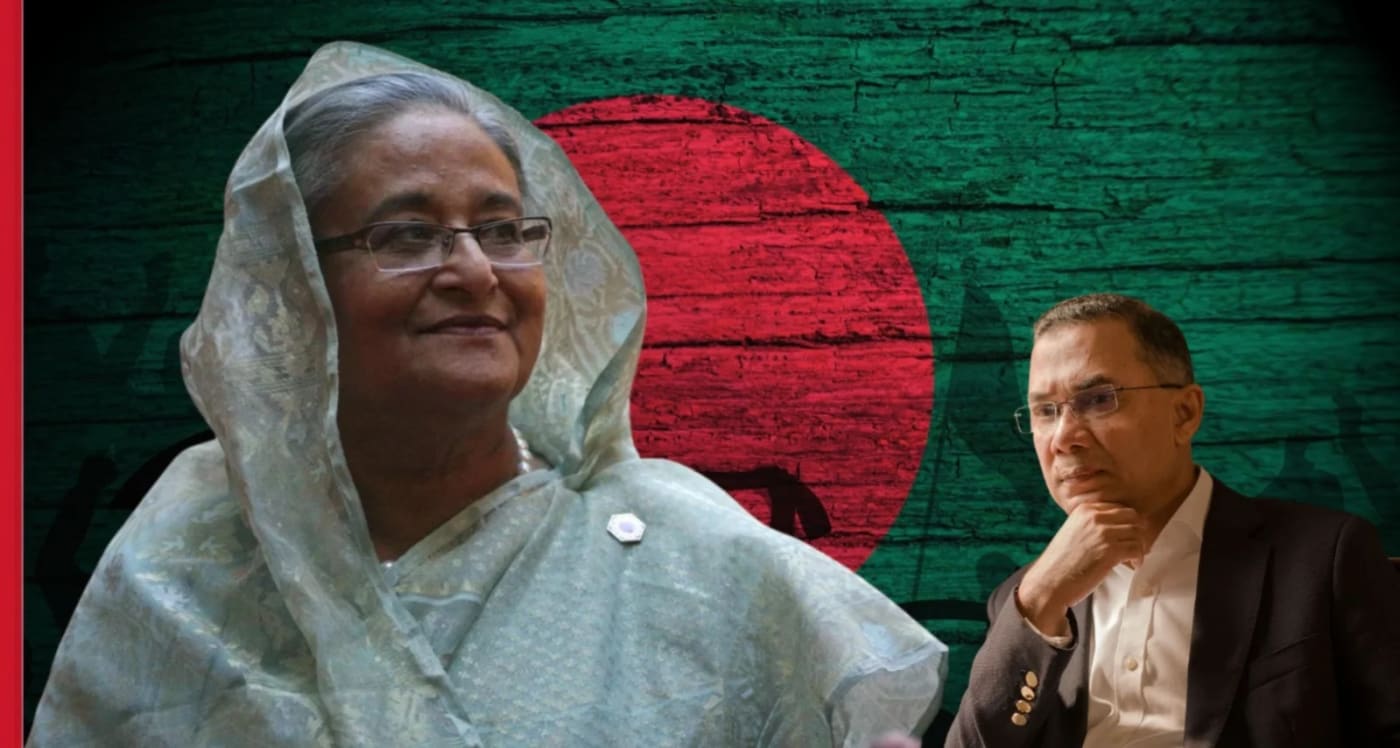

Former Bangladesh Prime Minister Sheikh Hasina Announces December 16 as Her Return Date, Leaving Tarique Rahman Government Facing Political Uncertainty and Mounting Tensions
Dhaka, Bangladesh | November 24, 2026 | The Global Journal
After repeatedly expressing her intention to return to Bangladesh, former Prime Minister and Awami League President Sheikh Hasina has now announced a specific date for her planned return. She has indicated that she intends to return from India on December 16, Bangladesh's Victory Day. Her announcement has triggered renewed debate across the country's political landscape. It has also raised questions about her proposal to return voluntarily and the government's insistence that she must be brought back through an extradition process.
While the government has maintained that Sheikh Hasina must be brought back to Bangladesh to face judicial proceedings, it has not agreed to her proposal for a voluntary return. This has further intensified the political uncertainty surrounding her potential homecoming.
According to reports published by Reuters and The Associated Press (AP) on November 24, Sheikh Hasina, through her spokesperson Syed Mozammel Ali, requested the Bangladesh government to arrange an aircraft operated by Biman Bangladesh Airlines for her return. However, the government has not agreed to the proposal. State Minister for Foreign Affairs Humayun Kabir stated that Sheikh Hasina would have to return through the extradition process and would be brought back in custody.
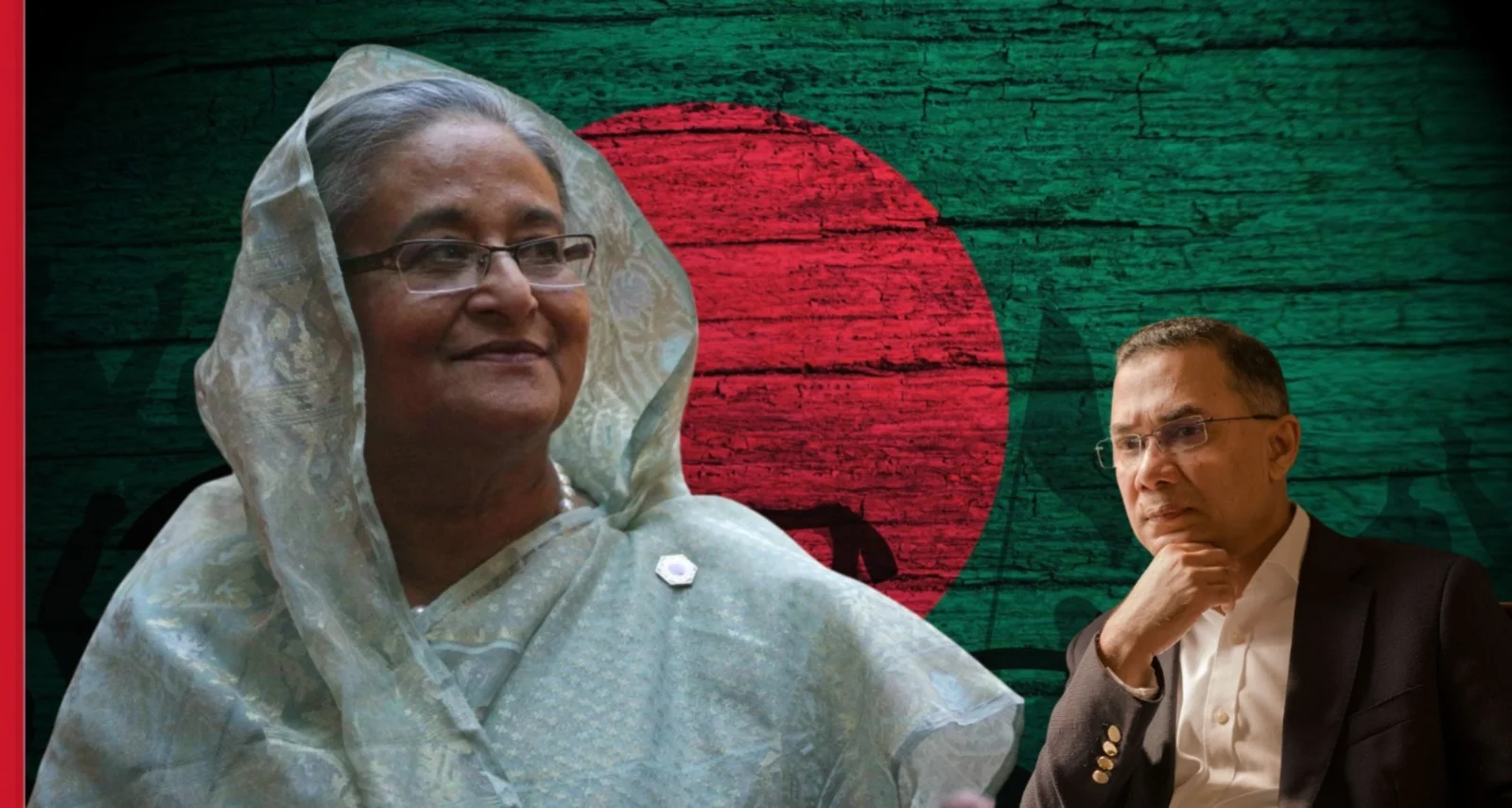
Government Says She Will Be Arrested Upon Arrival
The government has also made its position clear regarding the consequences of Sheikh Hasina's return. State Minister for Foreign Affairs Shama Obaed Islam told Reuters that she would be arrested immediately upon entering Bangladesh and sent to prison.
Sheikh Hasina has been sentenced to death in absentia in a case related to allegations of repression and violence during the July–August 2024 mass uprising. However, she has consistently denied the allegations against her. The reports also stated that the government had rejected her requests for a new passport and national identity card.
According to the government's position, bringing Sheikh Hasina back to Bangladesh to face judicial proceedings must be accomplished through extradition. Meanwhile, her proposal to return voluntarily has raised fresh legal and political questions surrounding the process.
Legal Questions Surrounding Article 36 of the Constitution
Sheikh Hasina's proposal to return voluntarily has also brought Article 36 of the Constitution of Bangladesh into the spotlight. This constitutional provision recognizes every citizen's right, subject to reasonable restrictions imposed by law, to move freely throughout the country, reside and settle anywhere within its territory, leave Bangladesh, and re-enter the country.
Against this backdrop, questions have emerged over the legal basis for treating extradition as the only available route for a citizen's return to Bangladesh. There are also demands for a detailed explanation from the government regarding how her arrest, secure custody, and subsequent judicial proceedings would be carried out after her entry into the country.
However, the rights guaranteed under Article 36 are also subject to reasonable restrictions imposed by law. Therefore, how this constitutional provision applies to Sheikh Hasina's particular circumstances will depend on the relevant laws and judicial decisions.
Political Significance of Victory Day
December 16 holds immense historical significance for Bangladesh. On this day in 1971, Bangladesh achieved its final victory through the surrender of Pakistani forces, marking the end of the country's Liberation War.
Sheikh Hasina's father, Bangabandhu Sheikh Mujibur Rahman, was the principal leader of Bangladesh's independence movement and played a central role in the struggle for the country's independence.
By announcing Victory Day as her potential return date, Sheikh Hasina has given the development additional political and historical significance. For Awami League supporters, the day is closely associated with the party's historical identity and political legacy. Consequently, her announcement could generate renewed discussion and mobilization among the party's supporters.
Awami League's Political Activities and Existing Ban
The existing restrictions on the political activities of the Awami League have also become a major issue following Sheikh Hasina's announcement.
In May 2025, the interim government banned the political activities of the Awami League, while the Election Commission suspended the party's registration. As a result, the party was unable to participate in the February 2026 national election. According to the reports, the subsequent BNP government has also maintained the restrictions.
Meanwhile, international human rights organization Human Rights Watch has previously warned that individuals belonging to a political party can be prosecuted for alleged human rights violations, but such allegations should not be used as grounds to suppress the political expression and activities of an entire party. The organization has also expressed concerns about restrictions on political meetings, rallies, publications, and online activities.
Previous Political Returns and the Current Situation
Sheikh Hasina's return to Bangladesh after a prolonged absence is not unprecedented in her political career.
Following the assassination of her father, Sheikh Mujibur Rahman, and most of her family members on August 15, 1975, she spent several years abroad. She eventually returned to Bangladesh on May 17, 1981, and assumed leadership of the Awami League.
In 2007, during the military-backed caretaker government's tenure, complications also emerged over her return to Bangladesh. While she was staying in London, British Airways reportedly refused to allow her to board a flight because of restrictions imposed on her entry into the country. After the restrictions were withdrawn, she returned to Bangladesh on May 7. She was subsequently arrested in July of the same year. In November 2008, following medical treatment abroad, she returned to Bangladesh once again and resumed active participation in electoral politics.
Another significant chapter in her political career was the January 24, 1988, incident in Chattogram, when police opened fire on a procession led by her, killing 24 people. On August 21, 2004, a grenade attack targeted an Awami League rally in Dhaka, killing at least 24 people and injuring Sheikh Hasina.
Political Inclusion and the Challenge of Stability
According to analysts, keeping a large section of the country's political population outside the political process for an extended period could create serious challenges for future political stability. Restrictions on opportunities for political participation could increase the risks of confrontation, political accusations, and deeper social polarization.
To avoid prolonged political conflict, it is essential to ensure the rule of law, impartial justice, investigations into political violence, and an environment that allows peaceful political participation.
December 16 Presents a New Test for the Government
Whether Sheikh Hasina's announced plan to return on December 16 will materialize remains to be seen. Her proposal for a voluntary return, the government's position on extradition, and the possibility of her immediate arrest upon arrival have collectively created a new political situation in Bangladesh.
On one hand, the government says it wants to bring Sheikh Hasina back to face judicial proceedings. On the other hand, it has declined to accept her proposal for a voluntary return. This disagreement has intensified political uncertainty and raised questions about the government's approach to handling her potential return.
December 16, therefore, is no longer merely the date Sheikh Hasina has announced for her return. It has become a potentially significant moment in the wider debate over political inclusion, judicial accountability, constitutional rights, and Bangladesh's future stability.
Sources: Reuters – November 24, 2026 · Associated Press
Fozle Rabbi Robna | South Asian Political Analyst