
Illegal Israeli Jewish settlements continue to expand across Palestinian land in the West Bank and East Jerusalem — settler violence is also increasing
WEST BANK, PALESTINE | September 14, 2026 | The Global Journal
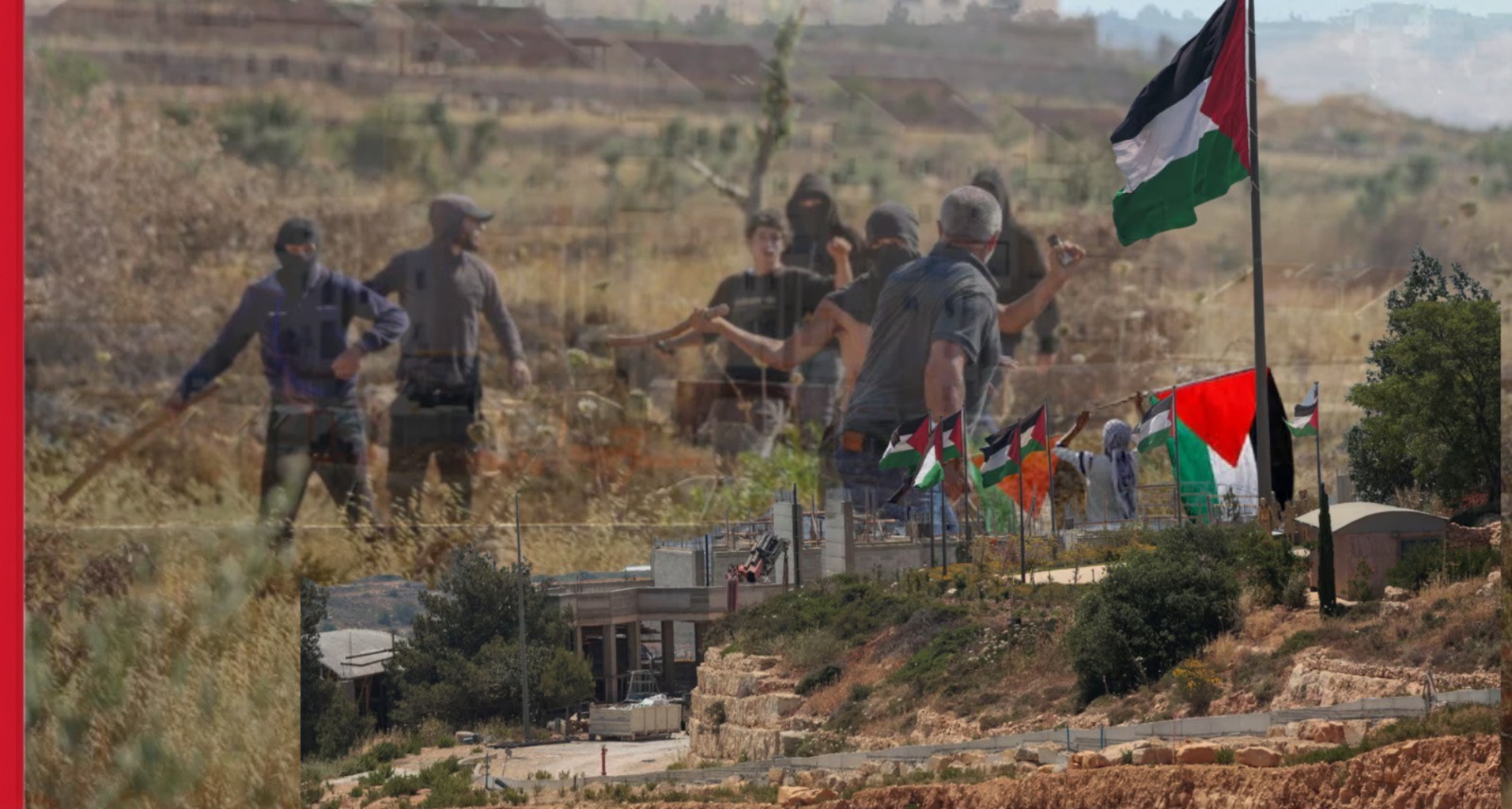
Israeli settlements continue to expand across Palestinian land in the occupied West Bank and East Jerusalem. At the same time, attacks by Israeli settlers against Palestinians, property damage and incidents of forced displacement are also increasing.
According to the United Nations Office for the Coordination of Humanitarian Affairs (OCHA), more than 1,800 settler attacks were recorded in the West Bank in 2025—an average of nearly five attacks a day. The attacks resulted in Palestinian casualties as well as damage to homes, farmland and other property.
The trend has continued in 2026. By the end of July, OCHA had recorded more than 1,380 incidents involving Israeli settlers in the West Bank. These incidents left around 900 Palestinians injured and displaced more than 2,300 people.
Settlement expansion has accelerated over decades
Israeli settlement expansion in the area increased significantly after Israel occupied the West Bank and East Jerusalem following the 1967 Arab-Israeli war.
Today, alongside officially approved Israeli settlements, hundreds of outposts have been established across the West Bank. According to the Israeli anti-settlement organization Peace Now, as of August 2026, there were 146 settlements established through official procedures in the West Bank; East Jerusalem is excluded from this figure.
Outposts, by contrast, are generally established without formal government authorization, and many are considered illegal under Israeli law. However, some outposts have subsequently been authorized or incorporated into existing settlements.
According to a 2025 European Union report on Israeli settlements, the Israeli government approved plans that year for 54 new official settlements in the West Bank—the highest annual figure on record. At the same time, 86 new outposts were established.
Settlements and road networks are fragmenting Palestinian territory
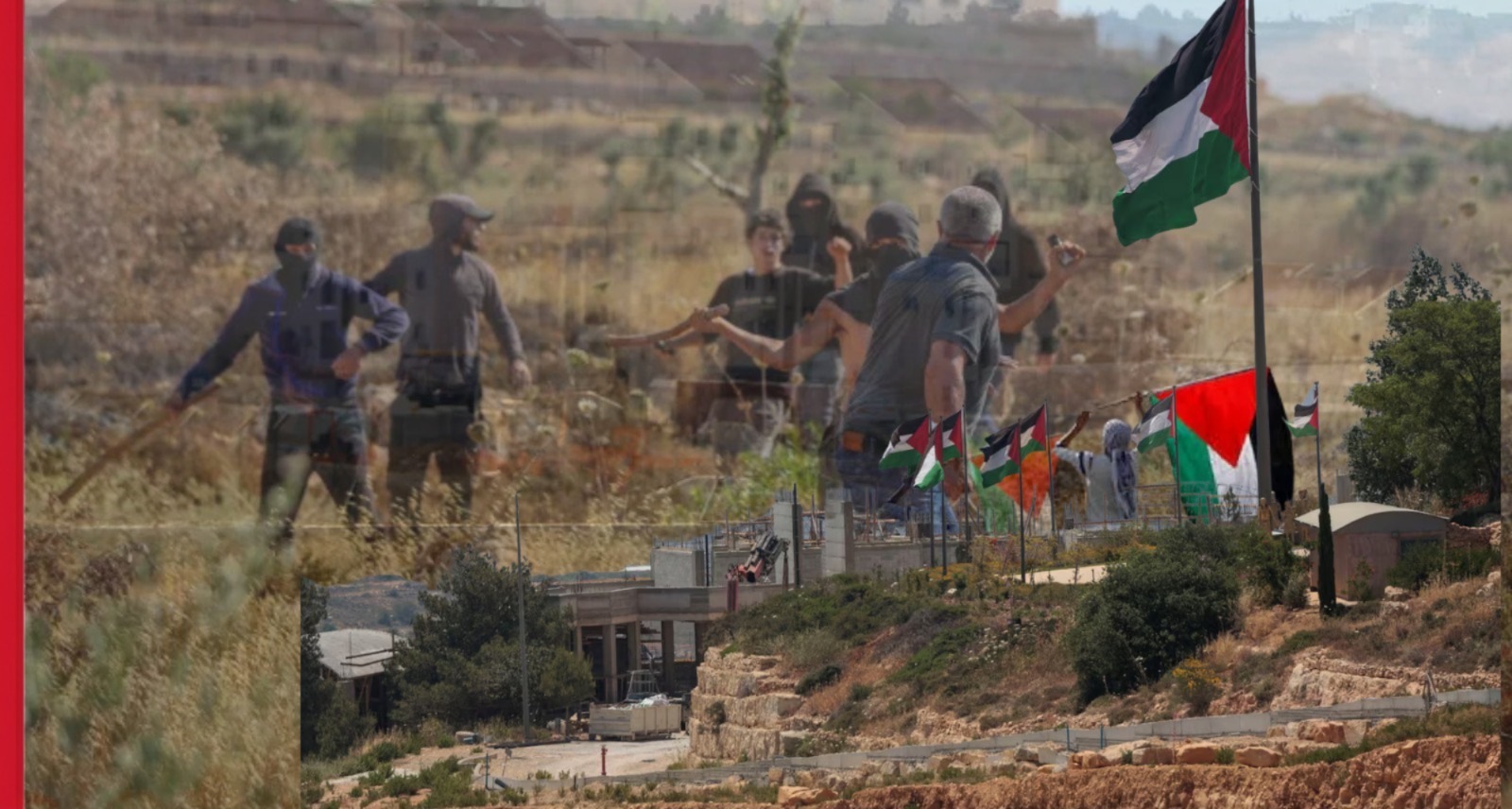
Israeli settlements are not simply residential communities; extensive roads and infrastructure have also been built to connect them with Israel.
Many roads and bypass routes serving the settlements pass through Palestinian communities and agricultural land. This has disrupted connections between Palestinian towns and villages, while checkpoints and other restrictions have further affected Palestinian movement.
The E1 area, east of Jerusalem, is particularly significant in this regard. If settlement expansion plans there are implemented, they could further weaken the geographical connection between East Jerusalem and other parts of the West Bank.
Dispute over settlements under international law
The United Nations, the International Court of Justice (ICJ) and other international institutions regard Israeli settlement activity in the occupied Palestinian territories as inconsistent with international law.
In July 2024, the ICJ issued an advisory opinion containing strong findings concerning Israel’s prolonged occupation, settlement policies and related actions.
Israel, however, views the settlements as part of its security and historical claims and rejects international criticism of its settlement policy.
Settler attacks reach record levels
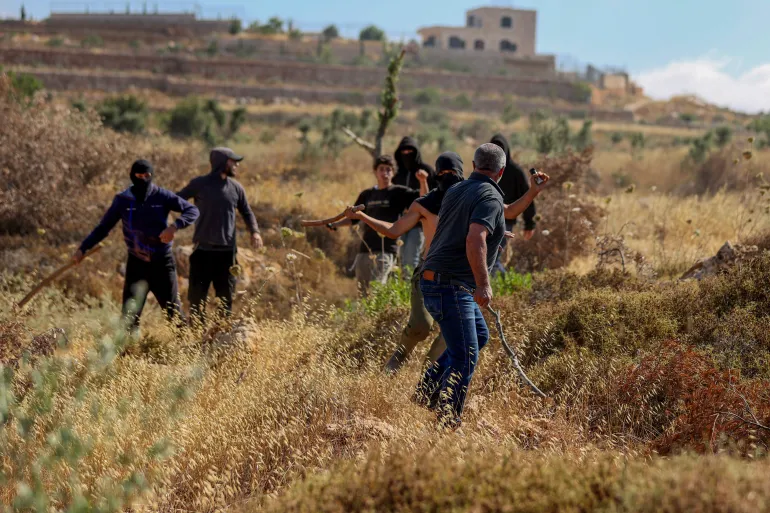
Alongside settlement expansion, violence by Israeli settlers against Palestinians has also increased significantly.
According to OCHA, the number of settler attacks in the West Bank stood at 852 in 2022. It rose to 1,291 in 2023, 1,449 in 2024, and approximately 1,828 in 2025.
In 2025, the attacks included physical assaults against Palestinians, damage to farmland and water resources, destruction of homes and other property, and forced displacement. OCHA reported that more than 800 Palestinians were injured in settler attacks during 2025.
The situation has not improved in 2026. More than 1,380 settler-related incidents were recorded during the first seven months of the year, according to OCHA.
New outposts and allegations of land seizure
In recent years, the establishment of new outposts has increasingly been viewed as one of the mechanisms driving land seizure and settlement expansion in the West Bank.
A recent Reuters investigation reported that several Israeli settlement-supporting entrepreneurs have helped establish a number of new outposts in the West Bank since 2023. The activities have also been linked to allegations of land seizure, the displacement of Palestinian families and settler violence.
Meanwhile, renewed questions have emerged over settler attacks on Palestinian villages and the presence of Israeli security forces during such incidents. In a recent September incident in the area of Fakua, a Palestinian was shot and wounded by an Israeli soldier during clashes between settlers and Palestinian villagers. The Israeli military is investigating the incident.
Growing international pressure
International pressure over Israeli settlement expansion and settler violence is also increasing.
In recent months, countries including the United Kingdom, France and Canada have taken restrictive measures concerning imports from Israeli settlements. A group of European countries has also called for an end to settlement expansion in the West Bank, describing the settlements as violations of international law.
Analysts say four trends—settlement expansion, the establishment of new outposts, settlement-linked road infrastructure and settler violence—are collectively reshaping the territorial reality of the West Bank.
As a result, international concerns are deepening over the territorial continuity of Palestinian areas, the movement of local residents and the prospects for a future two-state solution.