Iran Will Destroy All American Military Bases from the Middle East to Europe, Warns Security Chief Mohsen Rezaei
Tehran, Iran | November 12, 2026 | The Global Journal
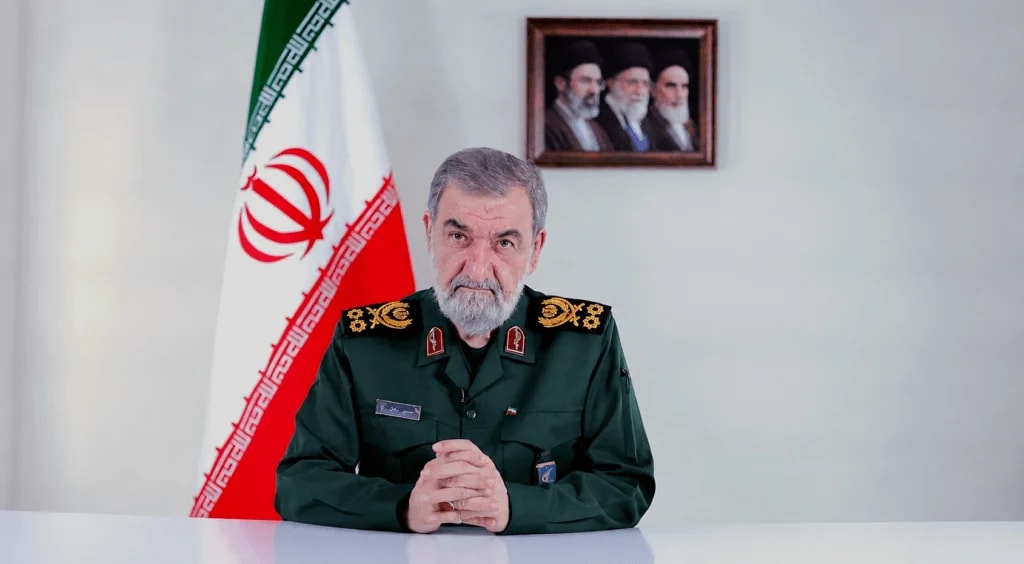
Tehran has warned that American military bases and installations stretching from the Middle East to Europe could face deadly attacks if the United States launches another military operation against Iran. Mohsen Rezaei, Iran’s senior security official and former commander-in-chief of the Islamic Revolutionary Guard Corps (IRGC), said that American military facilities involved in any renewed aggression against Iran would become legitimate targets for Iranian retaliatory strikes.
On Wednesday (November 11), Rezaei issued the stern warning in a post on the social media platform X. He wrote, “If the United States starts another war against Iran, every military base involved in this aggression, from West Asia to Europe, will be a legitimate target for Iran’s lethal strikes.”
He further warned, “There is no safe distance. No safe haven. No immunity.”
Rezaei’s statement is being viewed as a warning of potential military retaliation. However, Iran has not officially designated any specific American military installation in Europe as a target. Nevertheless, the geographical scope of the threat suggests that any renewed conflict could extend beyond the Middle East and place American forces and military infrastructure in other regions at risk.
In a separate interview with Lebanon-based Al Mayadeen, broadcast on the same day, Rezaei said Iran’s potential retaliatory strikes would not be limited to American military bases in neighboring countries. He warned that installations in European countries could also become targets if American military aircraft were used from their territories to launch attacks against Iran. He also referred to remote islands that Washington considers beyond the reach of Iranian missiles.
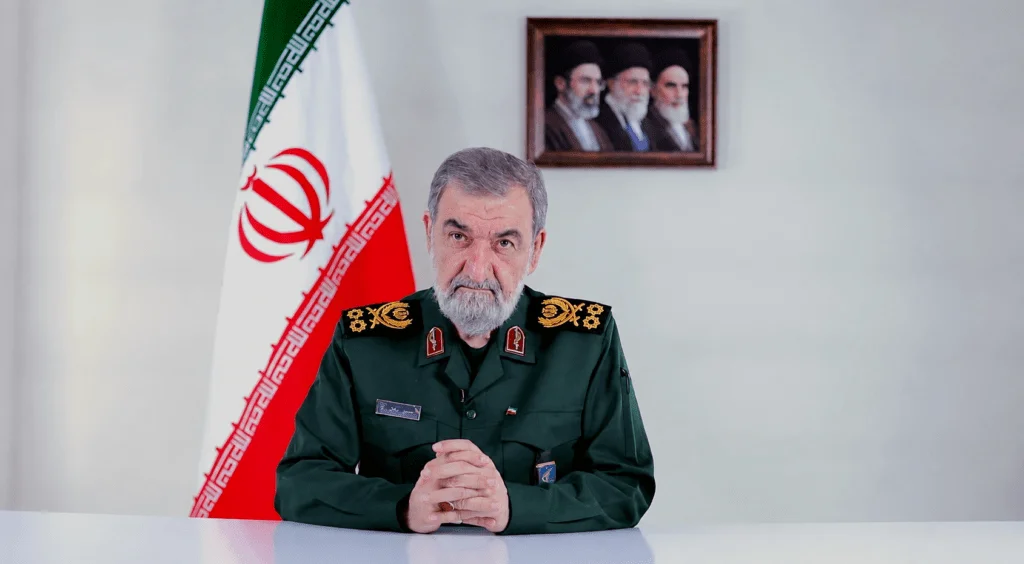
Regarding Iran’s military capabilities, Rezaei claimed that the country’s offensive and defensive capabilities had become significantly stronger compared with the beginning of the war. However, he did not provide any independently verifiable evidence to substantiate his claims.
Meanwhile, on November 10, US Secretary of State Marco Rubio referred to the impact of American economic pressure and sanctions on Iran, questioning the need for another military strike against the country. His remarks came amid mounting domestic political pressure on the administration following Republican setbacks in the November 3 midterm elections.
Regarding diplomatic engagement with Washington, Rezaei said Tehran was not currently holding direct negotiations with the United States. He also maintained that Iran would neither surrender its stockpile of enriched uranium to the United States nor agree to transfer it abroad.
According to a Reuters report, Iran has submitted a nuclear proposal to Washington through Qatari mediation. However, Tehran maintains that Washington must first fulfill seven conditions set by Iran to bring an end to the conflict.
Notably, Iran has yet to publish any official list of potential targets. However, the country’s hardline newspaper Kayhan had previously identified several American and NATO-linked military installations that could face risks in a wider conflict. These include American military infrastructure located in Europe. The US Air Force had also previously confirmed the detection of drones in the airspace around Ramstein Air Base in Germany.
Overall, Rezaei’s latest warning suggests that if another direct military confrontation erupts between Iran and the United States, its consequences may not remain confined to the Middle East. American military infrastructure across Europe could also become part of the wider regional security crisis.
Sources: Gulf News, Reuters and Al Mayadeen