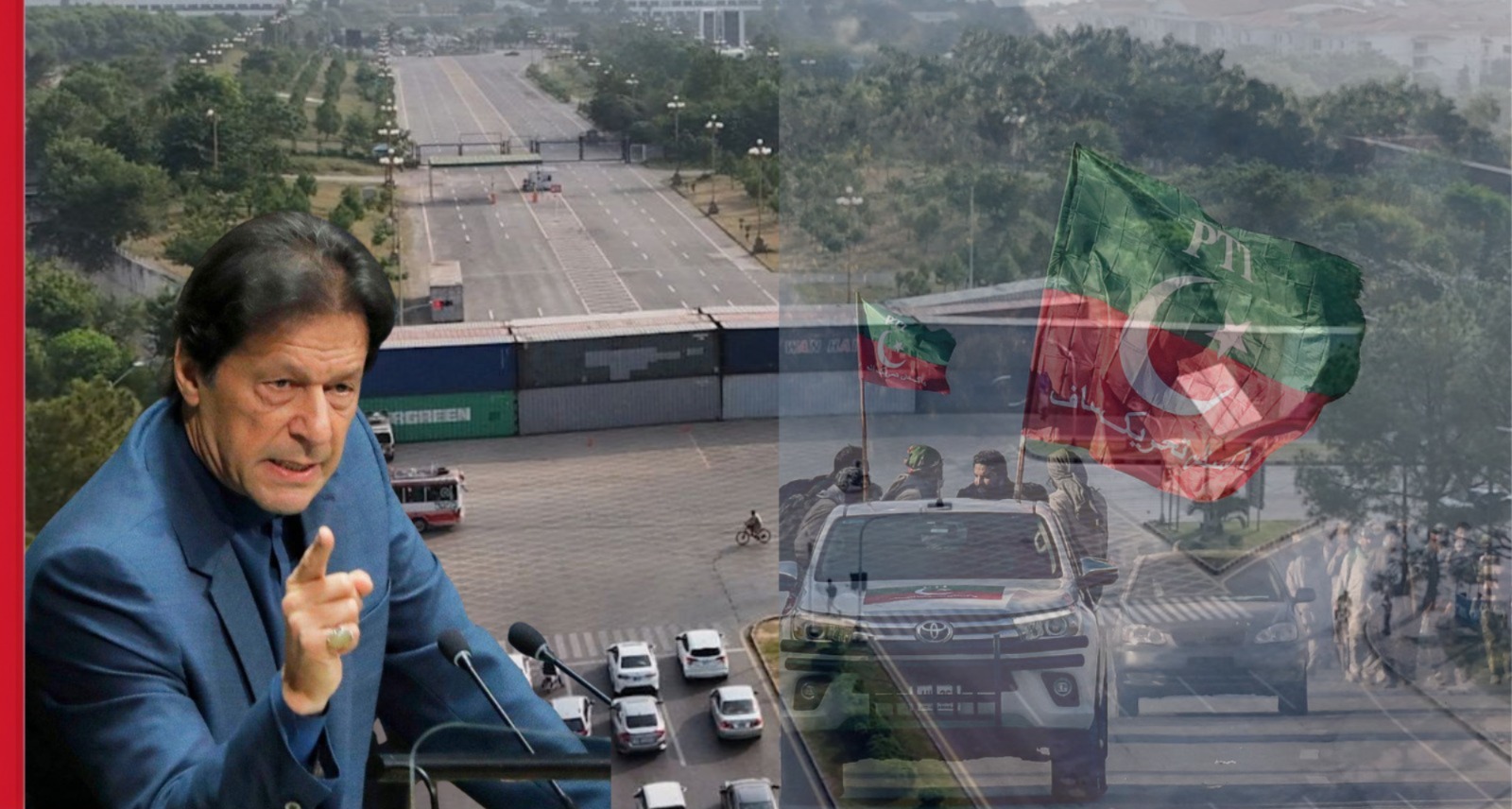

Container Barricades Erected Across Islamabad Entrances to Prevent Long March Demanding Imran Khan’s Release
Islamabad, Pakistan | October 3, 2026 | The Global Journal
Authorities have erected barricades made of a large number of containers on key roads and entry points into Pakistan’s capital, Islamabad, ahead of a planned long march by Pakistan Tehreek-e-Insaf (PTI) demanding the release of former Prime Minister Imran Khan. The measures have disrupted normal traffic in the capital and are also putting pressure on the country’s cargo transportation and supply chains.
According to Al Jazeera, an estimated 1,500 to 2,000 heavy containers have been placed on various roads across Islamabad. Some of the approximately four-ton containers have been filled with sand to make them heavier and more difficult to move. Such barricades have remained in place on important roads and entry points to the capital for several weeks. On social media, some users have referred to the container-surrounded capital as “Containerabad.”
The security measures are linked to the PTI’s planned long march toward Islamabad. The party initially announced the programme for September 27, but later postponed it to October 4. The release of Imran Khan is one of the key demands of the protest programme.
The Pakistani government has said the decision to deploy containers was not based solely on the date of the political programme. Officials said the measures were taken in advance based on potential security risks and intelligence assessments. Pakistan’s Minister of State for Interior, Talal Chaudhry, has said that security preparations in the capital are often made well in advance.
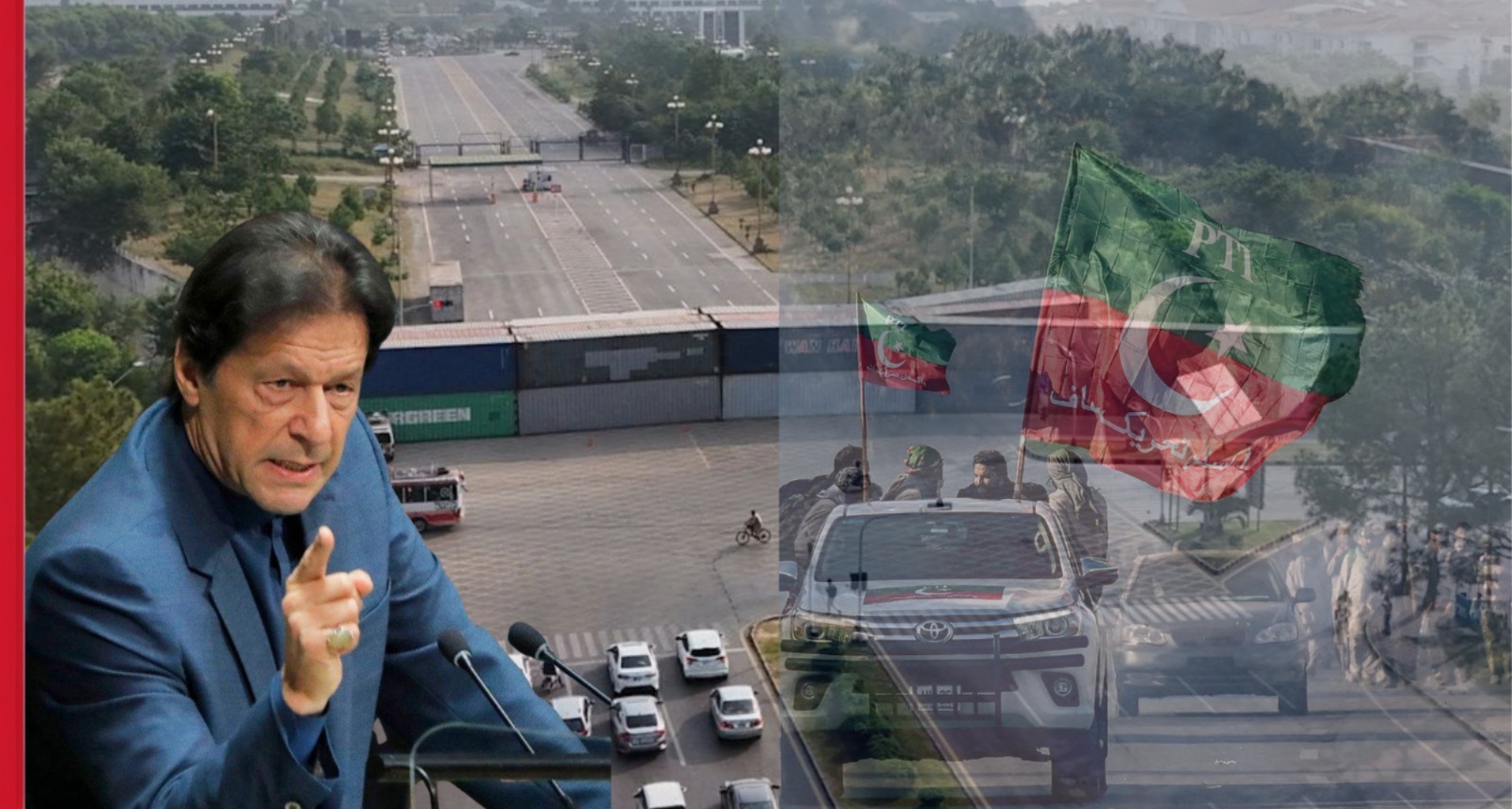
Major Disruption to Northbound Cargo Transport
The impact of the container barricades has been particularly significant on the transportation sector. Reuters reported that authorities took control of more than 2,000 vehicles in September, many of them carrying cargo at the time. This has raised concerns among truck drivers that their vehicles and containers could also be seized if they travel toward Islamabad or Punjab. As a result, many drivers have been avoiding northbound routes.
The disruption has affected several major routes, including those linking Islamabad, Rawalpindi, Jhelum, Peshawar and Attock. Some transport operators are attempting to use alternative routes, while others are stopping their journeys before reaching their intended destinations. This has caused delays in cargo deliveries and increased financial losses for truck drivers and transport companies.
As vehicles and containers remain stranded for days, drivers are losing their regular income. Meanwhile, vehicle maintenance, driver wages and other operating expenses continue to burden transport owners. Businesses are also facing additional costs as goods fail to reach their destinations on time.
Pressure Builds at Karachi Port
The impact of Islamabad’s container-based security measures has extended beyond the capital. Reuters reported that the suspension of northbound journeys by some truck drivers has contributed to a buildup of cargo containers at Karachi Port. This is disrupting the movement of goods and increasing costs for transport operators.
According to the report, a detained container can incur demurrage charges of between 30,000 and 40,000 Pakistani rupees per day. Additional losses arise from delayed deliveries and the costs of trucks remaining idle.
Pakistan’s transportation sector was already facing higher operating costs. According to Reuters, the country’s transport price index rose 27.43 percent in September compared with the same month a year earlier. With cargo movement disrupted along key routes, the latest restrictions are adding further pressure on transport businesses.
Impact on Islamabad’s Urban Economy
Experts say the economic impact of prolonged disruptions to transportation extends beyond the direct costs involving containers, trucks and freight. Businesses, tourism, investment and other normal economic activities in the capital can also be affected.
With the PTI programme scheduled for October 4, container barricades and heightened security measures remain in place on key roads across Islamabad. As a result, the economic impact of the security measures taken to prevent the political programme has become an increasingly visible issue alongside the political developments.