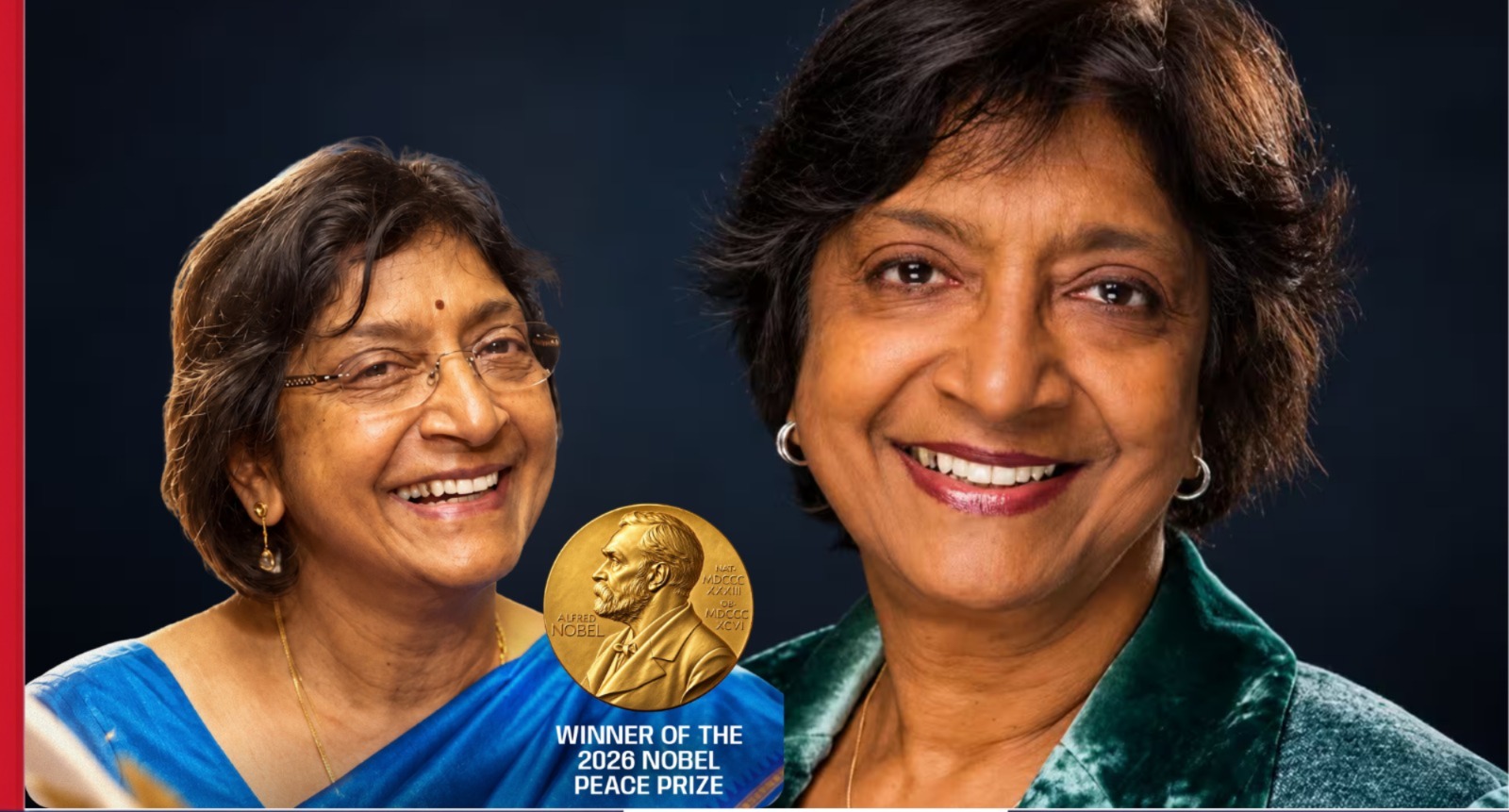

85-Year-Old South African Jurist Navanethem ‘Navi’ Pillay Wins the 2026 Nobel Peace Prize
Oslo, Norway | October 9, 2026 | The Global Journal
South African jurist and former United Nations High Commissioner for Human Rights Navanethem ‘Navi’ Pillay has won the 2026 Nobel Peace Prize. She has been recognized for her contributions to strengthening international law, advancing accountability for war crimes and crimes against humanity, and promoting peace. The Norwegian Nobel Committee announced her name on Friday. Pillay, who is of Indian-Tamil descent, was born in Durban, South Africa.
Jørgen Watne Frydnes, Chair of the Norwegian Nobel Committee, said Pillay had significantly expanded the scope and influence of international law and helped pave the way for a more comprehensive global legal order. Her distinguished career has included work against racial discrimination in South Africa and service in important international judicial institutions.
According to the Nobel Committee, Pillay has played an important role in advancing justice for war crimes, crimes against humanity and genocide. The award comes at a time when international law and judicial institutions face growing political pressure.
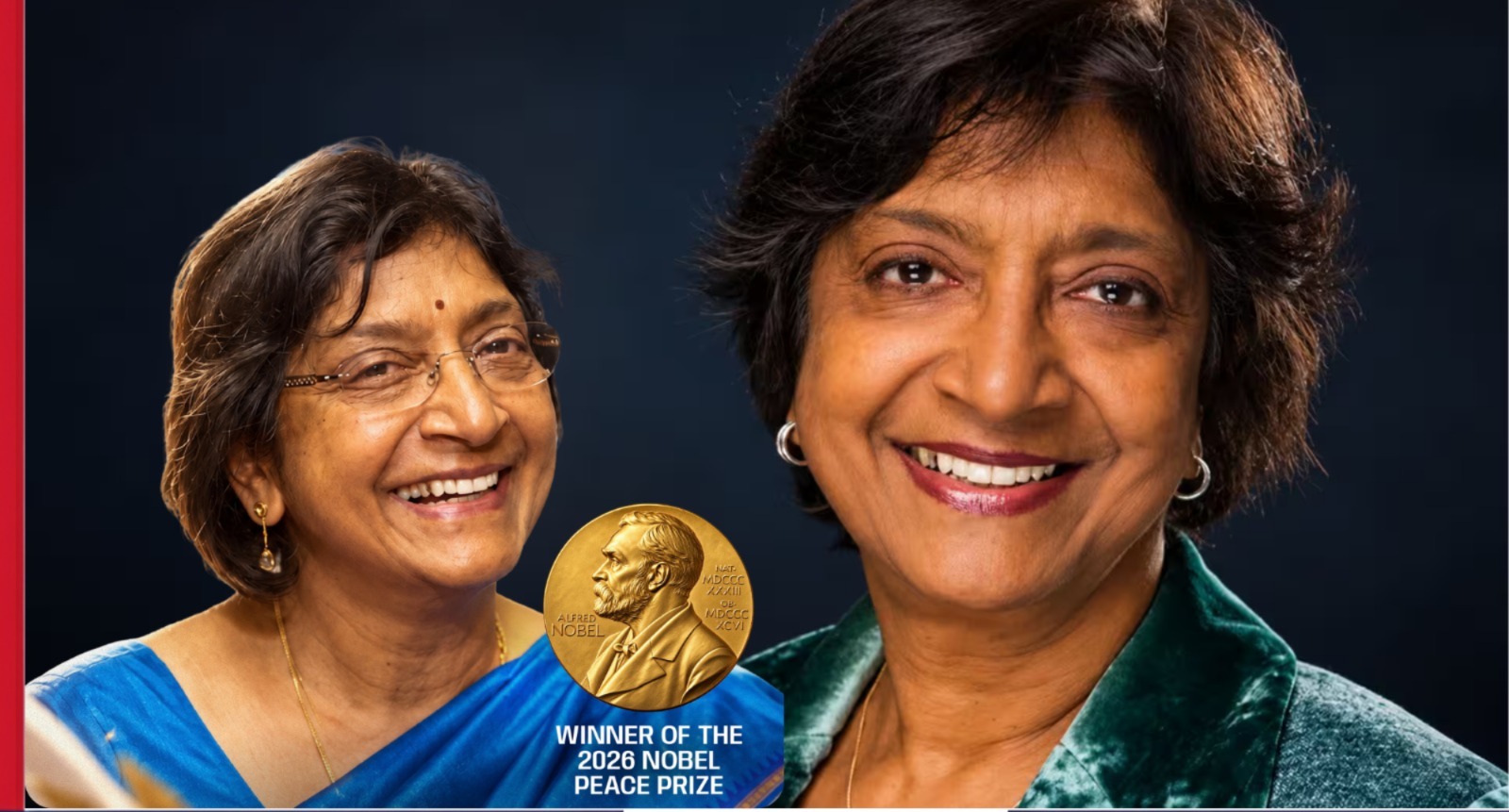
Who Is Navanethem ‘Navi’ Pillay?
Navi Pillay was born in 1941 into a family of Indian-Tamil origin in Durban, South Africa. Growing up under the country’s apartheid system profoundly influenced her professional life. She gained international recognition through her legal efforts to challenge discrimination and defend the rights of people facing oppression.
She studied law at the University of Natal and later pursued higher education at Harvard University in the United States, where she earned a doctorate in law in 1988.
In 1967, Pillay established her own legal practice in South Africa’s Natal Province. Through her work defending anti-apartheid activists and political prisoners, she became an important figure in the legal struggle against racial discrimination.
In 1995, she was appointed to South Africa’s High Court, becoming the first non-white woman to hold that position. Her appointment marked a significant milestone in the country’s judicial history.
Contributions to the Rwanda Genocide Tribunal and International Law
One of the most significant chapters in Pillay’s career was her service at the International Criminal Tribunal for Rwanda, where she served as a judge and later as president.
In 1998, a landmark judgment in a case related to the Rwandan genocide established an important precedent concerning rape and sexual violence as acts that can constitute genocide under specific circumstances. The ruling contributed significantly to the development of international criminal law and represented an important step toward justice for survivors of sexual violence.
Pillay later served as a judge at the International Criminal Court (ICC). Her extensive experience in international judicial institutions has made her a prominent figure in efforts to strengthen accountability for war crimes, crimes against humanity and genocide.
Leading the United Nations Human Rights Office
From 2008 to 2014, Pillay served as the United Nations High Commissioner for Human Rights. During her tenure, she emphasized human rights protection, combating discrimination and safeguarding civilians affected by conflict.
From 2021 to 2025, she chaired the United Nations Independent International Commission of Inquiry on the Occupied Palestinian Territory. In addition, in 2019, she was appointed as an ad hoc judge at the International Court of Justice (ICJ) in the case concerning allegations of genocide against Myanmar. The proceedings concern allegations of crimes committed against the Rohingya people.
Pillay’s positions on international law and human rights have also generated debate at various times. However, the Nobel Committee has highlighted her efforts to strengthen international justice and promote accountability as central to the recognition.
From Fighting Apartheid to the Global Stage
During South Africa’s apartheid era, Pillay became involved in legal efforts against racial discrimination and oppression. Defending political prisoners and standing up for people facing discrimination remained important parts of her career.
Her work is closely connected to South Africa’s anti-apartheid struggle, Nelson Mandela’s fight against racial segregation and the development of international human rights law. Through her subsequent roles at international tribunals and the United Nations, she worked across a broad range of legal institutions, from national courts to the international justice system.
The Nobel Committee’s Message: The Rule of Law Is Essential for Peace
The Nobel Committee has emphasized that international law and the rule of law are essential to resolving conflicts peacefully. Settling disputes through legal processes rather than force, and holding those responsible for war crimes accountable, are important conditions for building a more peaceful world.
In recognizing Pillay’s long career, the committee highlighted the importance of her independence, legal expertise and determination in strengthening the international legal system.
Overall, the 2026 Nobel Peace Prize recognizes Navi Pillay’s decades of work in law and human rights. From challenging apartheid in South Africa to serving in international judicial institutions, her career has helped bring international law, justice and human rights to the forefront of global debate.
The Global Journal | International News Desk