Saudi Crown Prince Mohammed bin Salman Reportedly Moving Between Bunker-Equipped Palaces Amid Fears of Houthi Missile Attacks
Riyadh, Saudi Arabia | October 13, 2026 | The Global Journal
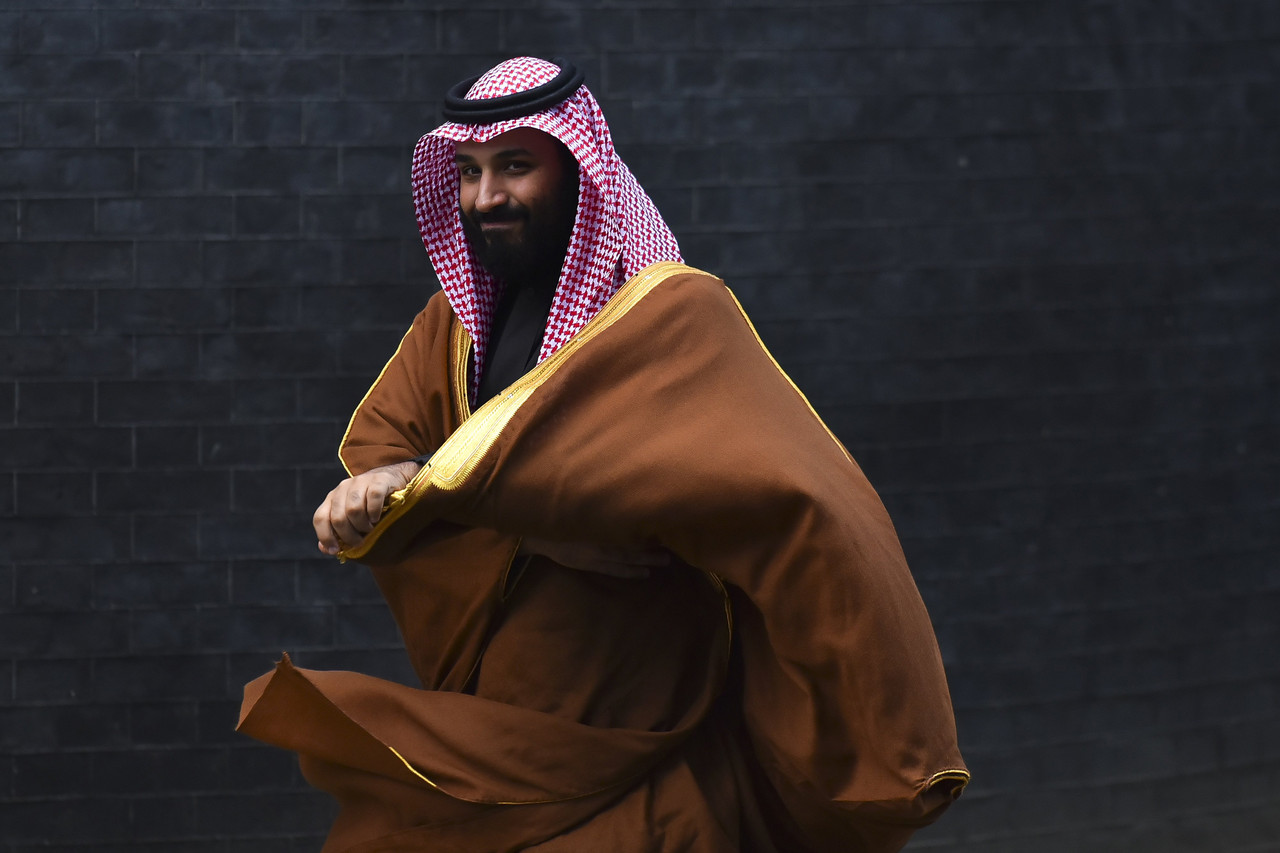
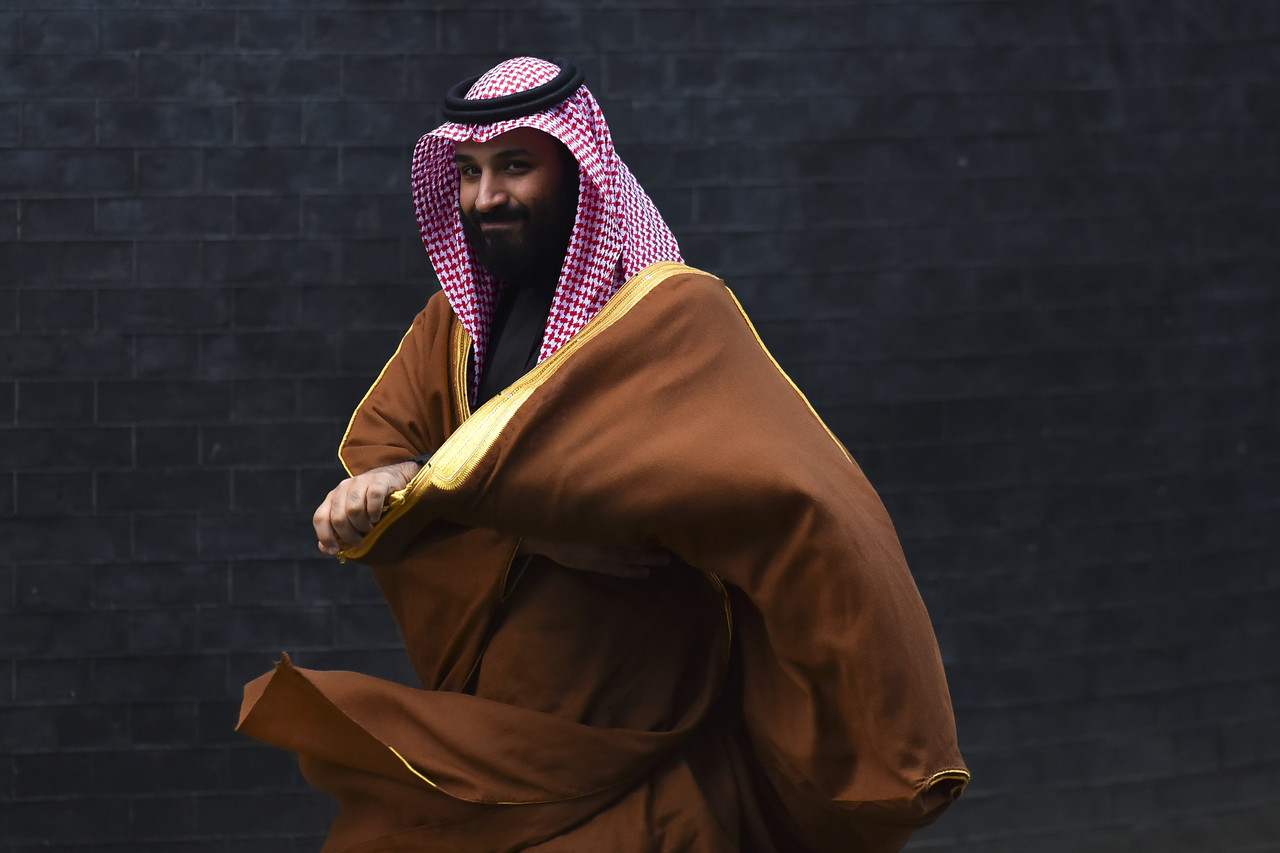
Concerns over security in Riyadh, the capital of Saudi Arabia, are growing amid a series of missile attacks by Yemen’s Houthi group. Against this backdrop, Saudi Crown Prince and de facto ruler Mohammed bin Salman is reportedly moving between heavily secured palaces equipped with bunkers, according to the American newspaper The Wall Street Journal. The report was subsequently cited by Israeli news outlet Ynet.
According to the report, a specially selected security team has been assigned to protect the crown prince. Missile and drone attacks by the Iran-backed Houthi group are putting pressure on Saudi Arabia’s critical infrastructure, aviation operations and economic activities. However, the report does not provide a detailed official statement from Saudi authorities regarding the crown prince’s reported movements between palaces.
Deadly Attack on Riyadh’s King Khalid International Airport
According to The Wall Street Journal and other international media reports, a missile attack struck King Khalid International Airport in Riyadh on October 10, reportedly killing at least 12 people and injuring hundreds. Subsequent reports have cited differing casualty figures. The attack damaged airport terminals and disrupted flight operations.
Reports also stated that an Egyptian flight attendant was among those killed. The incident raised concerns about airport security and the effectiveness of Saudi Arabia’s air defence systems.
On October 11, while the airport remained closed, another missile or missile fragment reportedly struck Terminal 4. The incident was said to have triggered a fire and caused additional casualties. However, the full details of these incidents and the final casualty figures require confirmation against updated information from the relevant authorities.
Impact on Civilian Infrastructure and Daily Life
The series of attacks has heightened anxiety among residents of Riyadh. Media reports have described explosions, instructions to seek shelter and increased security measures around important facilities.
Reports also said that debris from a ballistic missile intercepted in the air on Thursday struck a kindergarten and a medical complex. Such incidents highlight the risks that falling debris can pose to civilian infrastructure even when air defence systems successfully intercept incoming missiles.
The attacks have also caused significant disruption to international air travel. According to media reports, several airlines have cancelled or suspended flights, while warnings have been issued concerning the safety of foreign nationals.
Concerns Over Air Defence Missile Supplies
Citing Saudi officials, The Wall Street Journal reported concerns that the country's stockpile of interceptor missiles used to destroy incoming threats may be declining amid repeated attacks.
Protecting airports, oil facilities, military bases, royal palaces and other critical infrastructure across Saudi Arabia’s vast territory presents a major challenge for its defence system. The report said air defence assets were being repositioned to strengthen protection around high-risk and strategically important locations.
Saudi Arabia is also reportedly seeking additional air defence equipment from international partners. Reports have further suggested that Riyadh has approached Pakistan for military assistance.
Saudi Arabia’s Economic Transformation Plans Under Pressure
Alongside the security crisis, Saudi Arabia’s ambitious economic transformation programme, led by Crown Prince Mohammed bin Salman, is facing new uncertainties. The country's Vision 2030 programme aims to reduce dependence on oil by expanding tourism, technology, investment and other economic sectors.
As part of this strategy, Saudi Arabia has launched major urban development projects, including NEOM, invested in tourism infrastructure and pursued initiatives intended to establish Riyadh as an international business and investment hub.
However, attacks on airports, energy infrastructure and other critical facilities could negatively affect international travel, commercial activity and investor confidence. The Wall Street Journal has also portrayed the attacks as a significant challenge to Saudi Arabia’s broader economic ambitions.
According to the report, concerns have also emerged over the security of Saudi Arabia’s East–West oil pipeline and other energy infrastructure. The pipeline allows the kingdom to transport oil to the Red Sea while bypassing the Strait of Hormuz. Any attack on such facilities could therefore affect Saudi Arabia’s energy exports and supply networks.
The United States’ Role and Diplomatic Calculations
According to the report, Saudi Arabia has sought American assistance in countering the attacks and addressing Houthi control of areas in Yemen. However, The Wall Street Journal reported that Washington has remained cautious about becoming directly involved in a military campaign.
US President Donald Trump has said that Washington is communicating with the Houthis and has also left open the possibility of coordinated action with Saudi Arabia against the group. However, no final decision regarding direct US military involvement has been confirmed in the information cited.
Meanwhile, Saudi Arabia is reportedly pursuing additional air defence equipment while exploring possible diplomatic approaches to contain the conflict.
New Uncertainty for Regional Security
Attacks on Riyadh’s airport and other critical facilities have increased pressure on Saudi Arabia’s national security, civilian protection and international connectivity. Reports that the crown prince is strengthening his security arrangements and moving between bunker-equipped palaces have raised questions about the safety of the country’s top leadership, although the available information on his movements remains based primarily on media reporting.
Saudi Arabia now faces two interconnected challenges: countering missile and drone attacks while maintaining confidence in its economic transformation programme and its appeal to international investors.
The situation will depend on the intensity of further attacks, the capacity of Saudi Arabia’s air defence systems and the progress of regional diplomatic efforts.
Sources: The Wall Street Journal, Ynet, Associated Press and other international media outlets.