100% Tariff Threat on One Side, Vance’s Call to Deepen Strategic Partnership on the Other — A Complex India-U.S. Diplomatic Equation
New Delhi | August 9, 2026 | The Global Journal
India-U.S. relations have entered a new and complex phase, marked by two seemingly contrasting developments: growing pressure from Washington over India’s energy imports from Russia, including the possibility of steep tariffs and sanctions, alongside high-level efforts to further deepen the strategic partnership between the two countries.
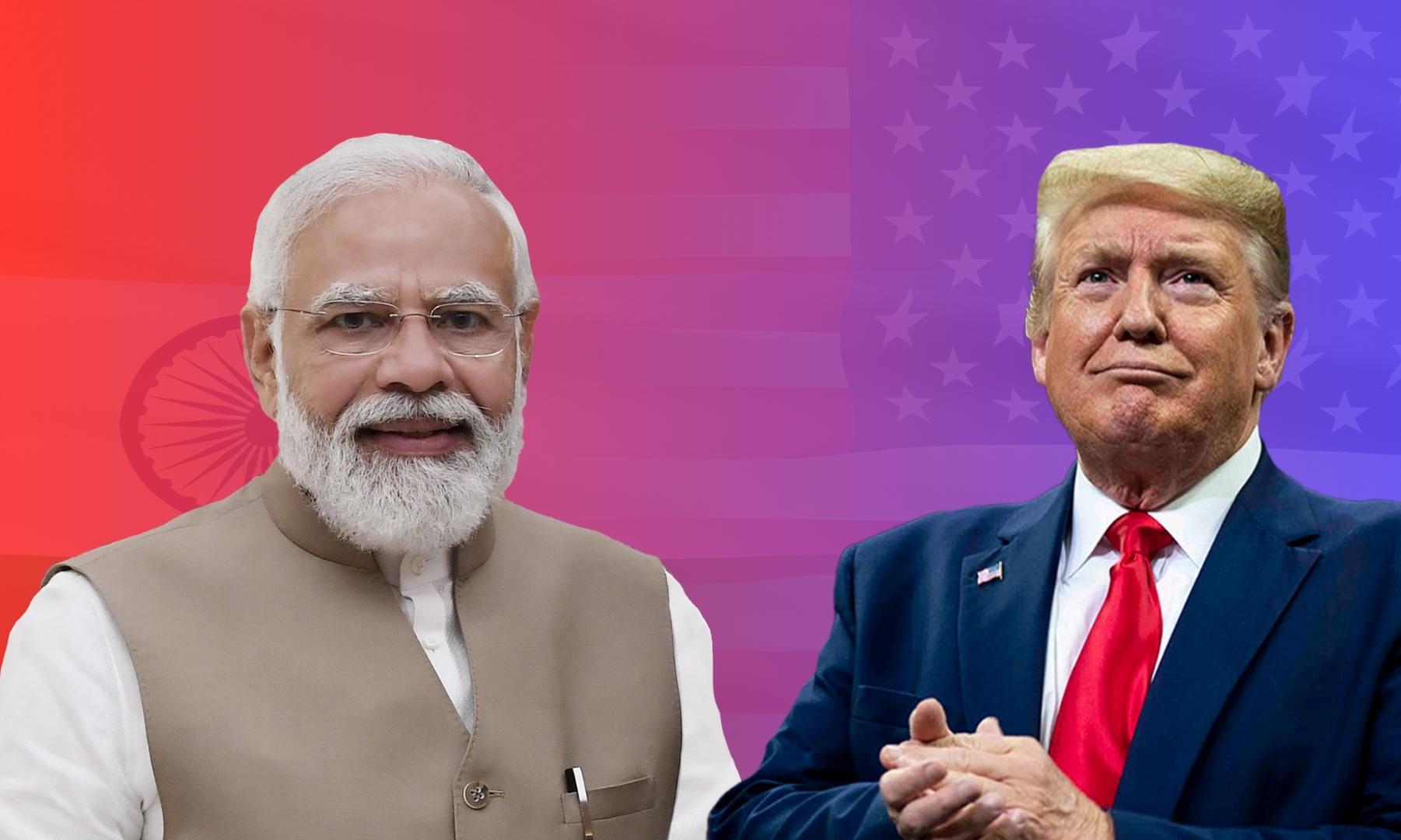
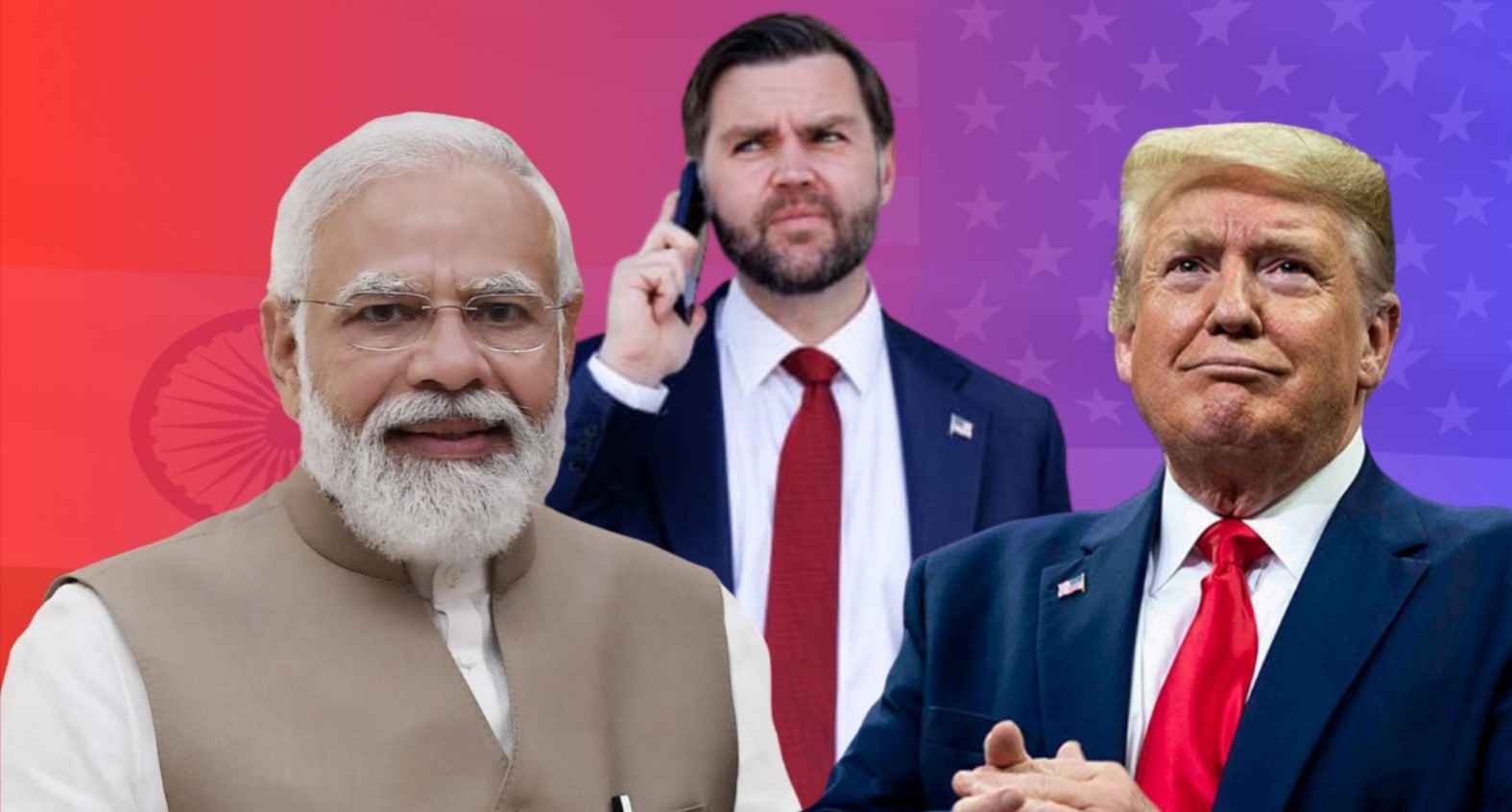
On Saturday, Indian Prime Minister Narendra Modi spoke by phone with U.S. Vice President J.D. Vance. During the conversation, the two leaders discussed ways to further strengthen the Comprehensive Global Strategic Partnership between India and the United States.
Modi said in a post on social media platform X that they discussed ways to deepen cooperation between India and the United States across key areas. During the call, Modi also congratulated Vance and his wife, Usha Vance, on the birth of their child and conveyed his best wishes to the family.
Up to 100% Tariff Pressure Over Russian Oil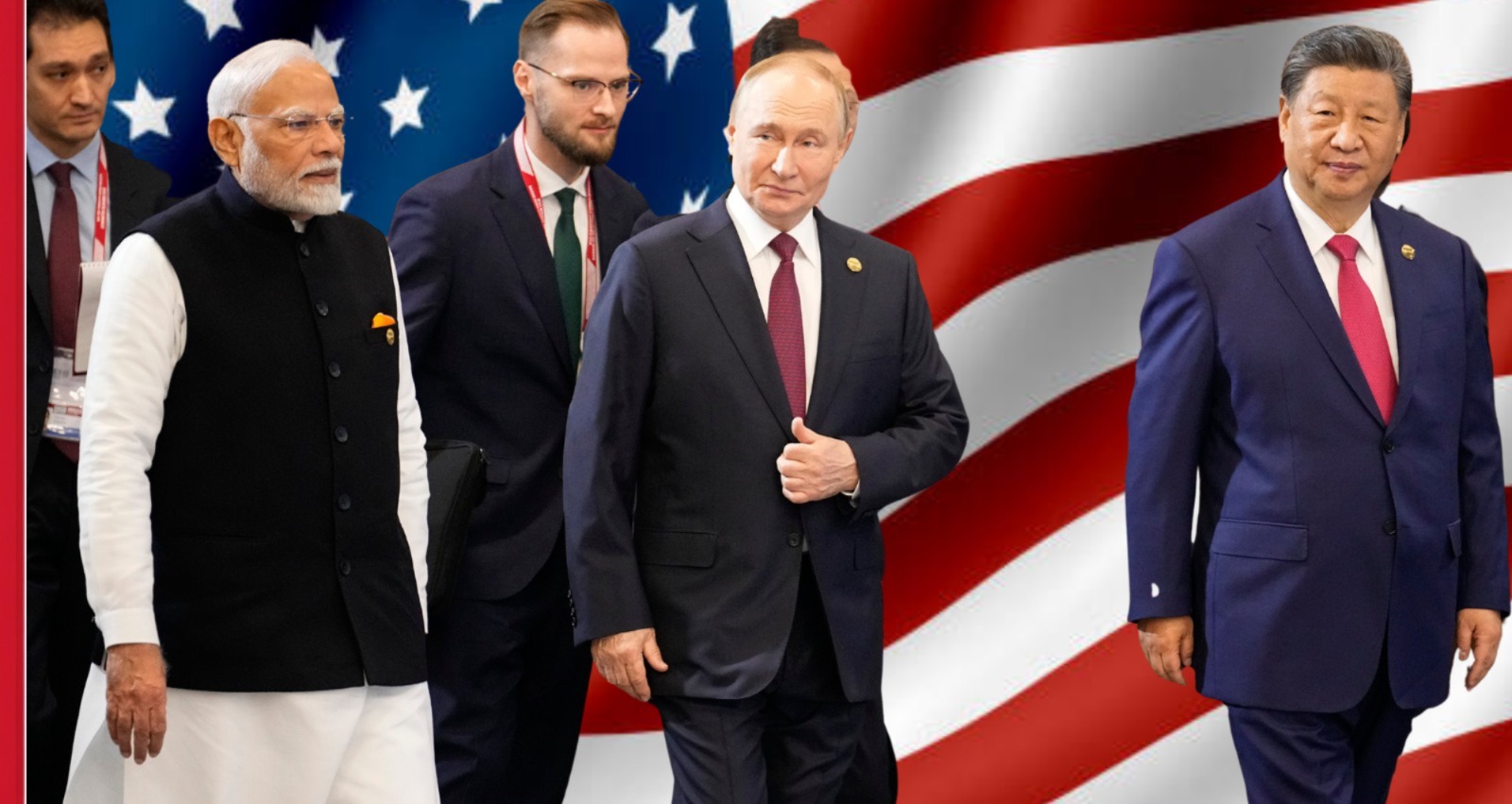
The Modi-Vance phone call comes amid renewed U.S. pressure on India over its purchases of Russian energy.
The U.S. Senate has passed a new bill imposing sanctions on Russia. If enacted into law, the legislation could give the U.S. president the authority to impose tariffs of up to 100% on goods from major buyers of Russian oil and gas.
India, being one of Russia’s largest energy buyers, could potentially face the impact of such measures. However, it is important to note that the bill has not yet become law, and any tariffs would not take effect automatically.
Washington argues that imposing economic pressure on countries purchasing Russian energy could help weaken Moscow’s revenue streams and reduce its ability to finance the war in Ukraine.
Why Deepen the Strategic Partnership Amid Pressure?
This is where the current dynamics of India-U.S. relations become particularly significant.
Despite disagreements over Russian oil, the United States does not view India merely as a trading partner. India is considered an important strategic partner for Washington in areas including Indo-Pacific security, countering China’s growing influence, defense cooperation, technology, critical minerals, and global supply chains.
As a result, two parallel elements are visible in current U.S. policy toward India: economic pressure and strategic cooperation.
While Washington is seeking to pressure India to reconsider aspects of its energy relationship with Russia, maintaining a long-term strategic partnership with New Delhi remains important to the United States because of broader geopolitical interests.
Trade Agreement Faces a Major Test
The ongoing bilateral trade agreement negotiations between India and the United States are also emerging as an important factor in determining the future trajectory of the relationship.
In February 2026, the two countries reached an understanding on a framework for an interim trade agreement. One of its key objectives was to expand market access, strengthen supply-chain resilience, and lay the groundwork for a broader trade agreement.
However, potential U.S. tariff measures related to India’s purchases of Russian energy could introduce new complications into those negotiations. India is seeking to expand its trade relationship with the United States while simultaneously maintaining its longstanding energy and strategic ties with Russia.
Defense and Technology Cooperation Continues
Despite differences over trade and energy, defense and technological cooperation between India and the United States continues.
The two countries are seeking to expand cooperation in defense, energy, artificial intelligence and other emerging technologies, critical minerals, and strategic supply chains.
India is also viewed as an important component of Washington’s long-term strategy in the Indo-Pacific, particularly amid growing Chinese influence in the region.
Is Washington Trying to Pressure India Into Changing Its Policies?
At least one aspect of the current situation appears clear: Washington is seeking to exert economic influence over India while simultaneously maintaining its strategic relationship with New Delhi.
Potential tariffs and sanctions over India’s purchases of Russian oil could create significant economic pressure. At the same time, direct communication between Vance and Modi, along with continued cooperation in defense and technology, indicates that the United States is not seeking to undermine its broader strategic partnership with India.
From an analytical perspective, U.S. policy can be viewed as a combination of “pressure and partnership.” In other words, Washington appears to be using economic pressure to encourage changes in certain Indian policy decisions while simultaneously seeking to keep India aligned with the broader geopolitical equation centered on China.
However, it remains unclear how far India will accommodate U.S. pressure and to what extent New Delhi will continue its energy relationship with Russia.
The major test for India-U.S. relations in the coming days will be whether New Delhi can maintain its longstanding relationship with Russia while further deepening its strategic partnership with Washington.