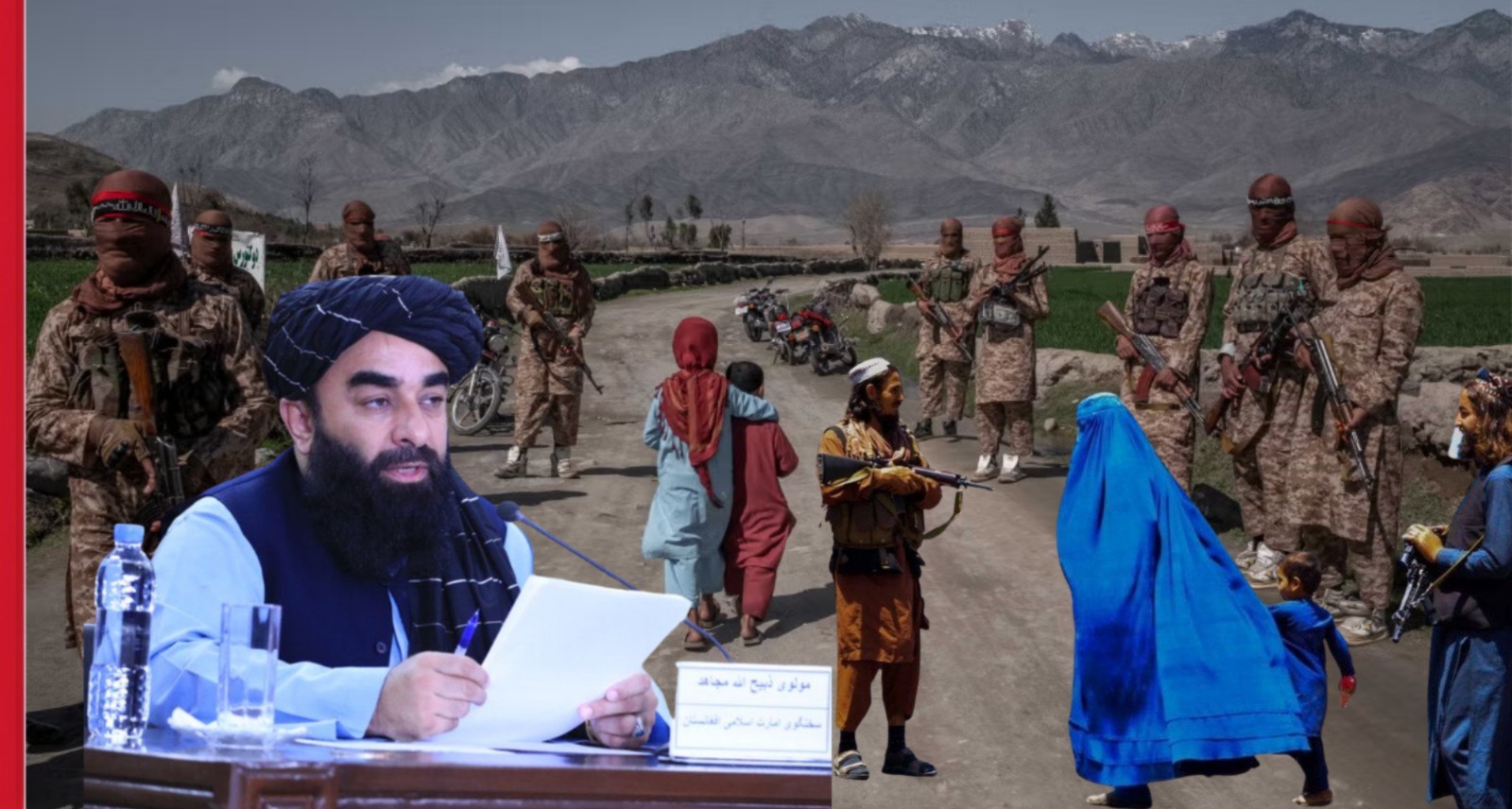
Afghanistan Five Years Under Taliban Rule: The Reality of Women’s Education, Freedom and Freedom of Expression — Seen Through the Lens of BBC News
Kabul, Afghanistan | 24 August 2026 | The Global Journal
Nearly five years after the Taliban returned to power in Afghanistan, questions are once again being raised about women’s rights, education, freedom of expression and the everyday lives of ordinary Afghans. A two-year BBC investigation has provided a rare look inside the Taliban administration and the impact of its policies on the people.
In August 2021, the Taliban seized power after the collapse of the US-backed Afghan government. At the time, the group promised that women would be allowed to participate in education and the workforce within its framework. But in the years since, girls have faced sweeping restrictions on secondary and higher education, while women have also been subjected to restrictions on employment, movement and leisure activities.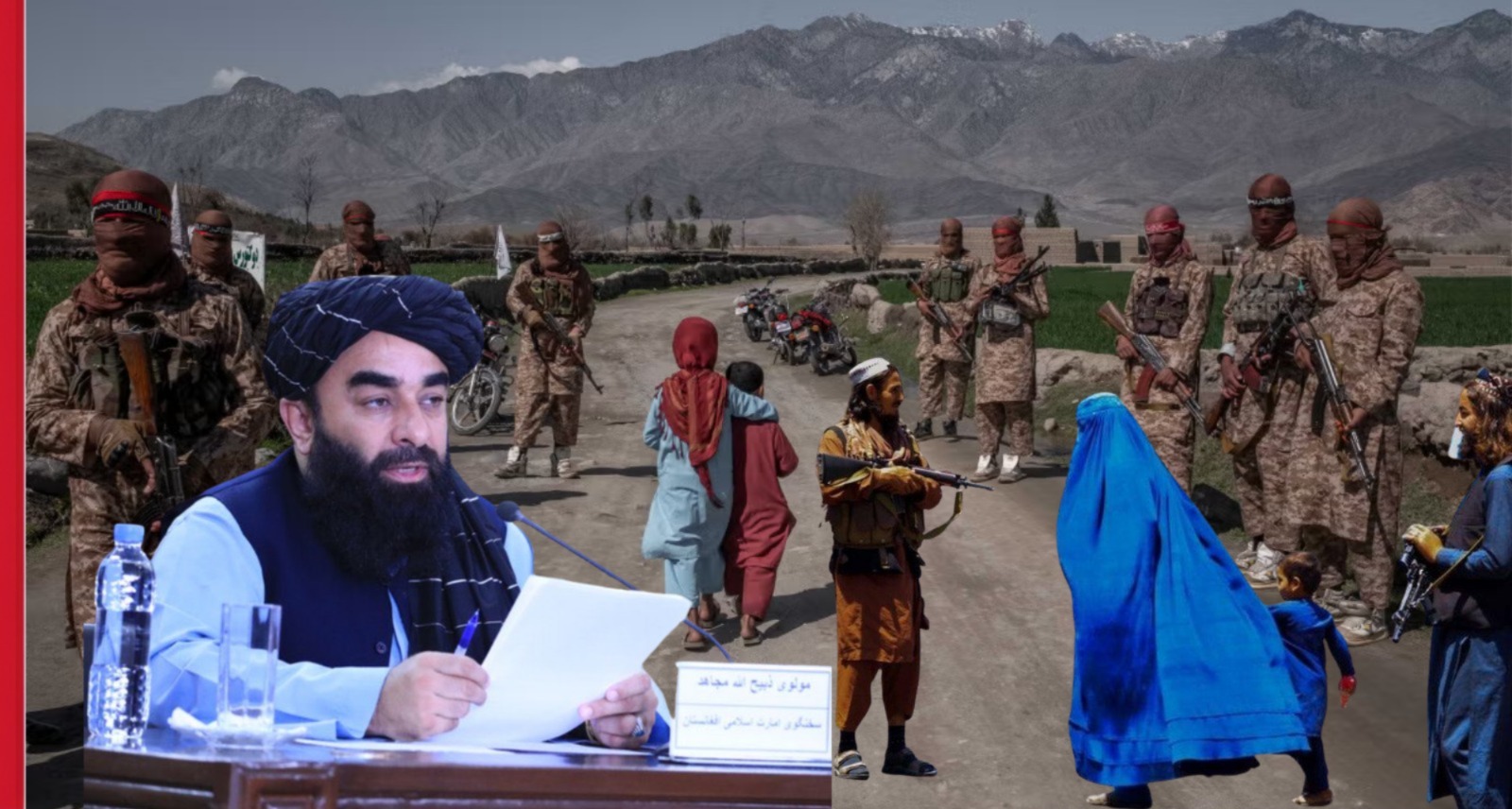
A Young Woman Seeking Divorce
During the BBC investigation in northern Afghanistan, an 18-year-old woman appeared at the office of Governor Abdullah Sarhadi seeking a divorce from her husband. She alleged that her husband had subjected her to months of beatings and abuse.
The Taliban official urged her to remain in the marriage, but the young woman remained firm in her decision.
“If there was any chance to live together, I wouldn’t be here… I have made my decision,” she said.
According to the BBC report, Sarhadi subsequently made derogatory remarks about women. The incident offered a glimpse into the difficulties women face regarding personal decisions and legal rights under Taliban rule.
Restrictions on Women’s Education and Employment
The Taliban government says women’s rights are protected within the framework of Sharia. However, the continued exclusion of girls from secondary and university education, along with restrictions on women’s employment, has drawn widespread international criticism.
Taliban spokesman Zabihullah Mujahid told the BBC that the issue of women’s education remains under discussion and requires a “Sharia-based solution.”
Regarding women working in government offices, he argued that their presence could lead to “immoralities” and undermine their dignity.
Restrictions on Freedom of Expression and the Media
Journalists in Afghanistan have also faced pressure and restrictions. Several journalists who spoke to the BBC said they had been summoned or questioned by the Taliban intelligence agency, Estikhbaraat.
Mujahid said Afghan media outlets would not be permitted to broadcast material that goes against Islamic laws and traditions.
The BBC reported that restrictions are particularly stringent in Kandahar. Men are required to maintain beards, while radio stations are prohibited from playing music or broadcasting women’s voices. Foreign journalists have also faced restrictions on filming in the city.
Former Fighters in New Roles
The BBC investigation also examined the current roles of former Taliban fighters. Habibullah Badr, a Taliban official in Kabul, said he had previously been involved in managing the activities of suicide attackers in the capital.
Many former fighters now serving in the Taliban administration were reluctant to discuss their past activities in detail.
The report also revisited the destruction of the ancient Bamiyan Buddha statues during the Taliban’s first period of rule. Sarhadi reportedly acknowledged that he had personally participated in the destruction.
Signs of Internal Criticism
At an event attended by Taliban officials, Sultan Mohammad Talaee publicly called for girls’ schools to be reopened, saying education was important for both men and women.
His remarks created an uncomfortable atmosphere, and his microphone was subsequently removed.
He later told the BBC that he had wanted to say more about reopening girls’ schools but was not allowed to continue speaking.
Poverty and Economic Hardship
Alongside restrictions on women’s rights and freedoms, Afghanistan continues to face severe economic challenges. Years of conflict, political instability and dependence on international assistance have contributed to widespread poverty and unemployment.
Taliban officials told the BBC that the government is working to address these problems. However, local residents identified shortages of water, roads, healthcare and employment as some of their most urgent concerns.
‘The Taliban Are Afraid of Educated Women’
Hoda, a woman who protested after the Taliban returned to power, told the BBC that women would not accept the current situation indefinitely.
In her view, the Taliban fear educated women and therefore impose restrictions on women’s education and social participation.
“Women cannot accept this situation. They may increase the restrictions, but it will not remain like this forever,” she said.
Five Years Later, Questions Remain
Nearly five years into the Taliban’s second period of rule, a major question remains: will Afghanistan continue under a system in which the Taliban’s interpretation of Sharia serves as the primary basis of state policy, or will there be changes in women’s education, employment, freedom of expression and civil liberties?
The BBC investigation, drawing on the experiences of Taliban officials, women, journalists and ordinary Afghans, portrays a country where political control has been consolidated, while serious social and economic challenges remain.
The Global Journal’s observation: Afghanistan’s future will depend not only on the political stability of the Taliban government, but also on progress in women’s education, civil liberties, freedom of expression and the living standards of ordinary people.
Source: BBC News; Additional reporting by Hafizullah Maroof.