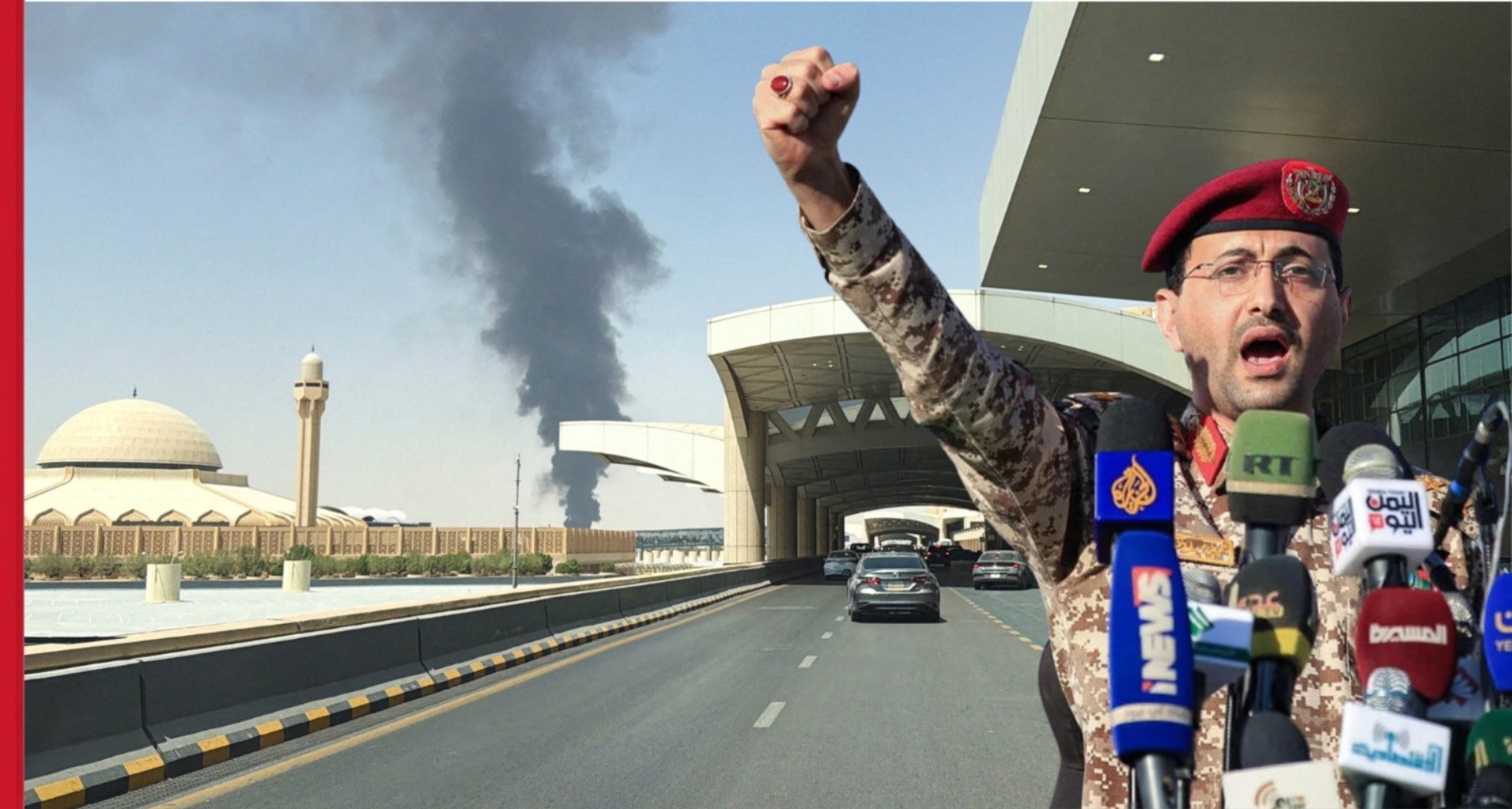
At least 12 people have been killed and more than 300 injured in an attack by Yemen’s Houthi rebels on an airport in Riyadh, the capital of Saudi Arabia.
Riyadh, Saudi Arabia | October 11, 2026 | The Global Journal
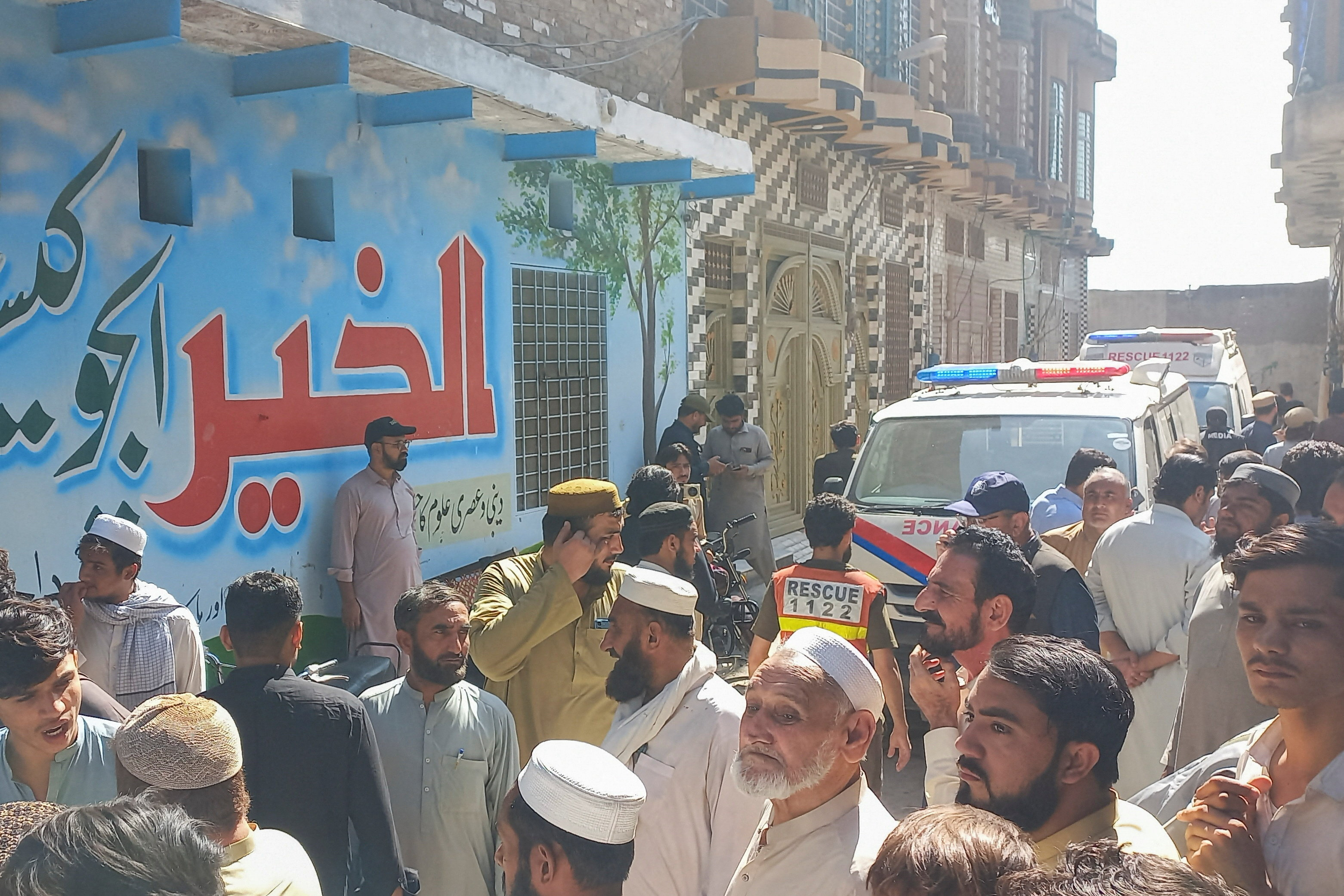
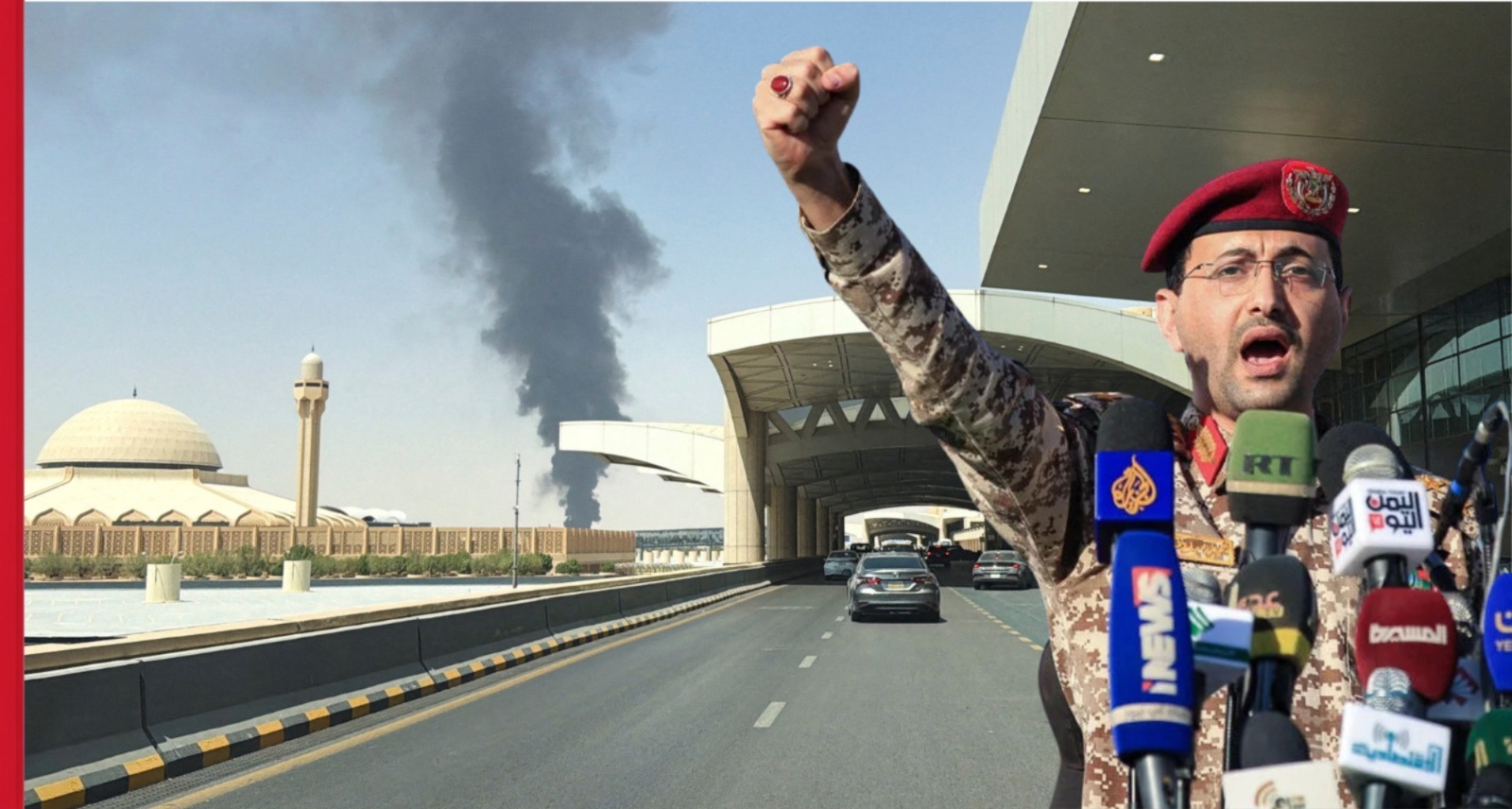
At least 12 people have been killed and 309 injured in an attack by Yemen’s Houthi rebels on King Khalid International Airport in Riyadh, according to Saudi authorities. The attack reportedly damaged airport facilities, forcing a temporary suspension of operations for security reasons.
The Saudi General Authority of Civil Aviation (GACA) said the fatalities included four Saudi nationals and two Bangladeshi citizens. One citizen each from the United States, Jordan, Palestine, Syria, Sudan and Egypt was also reported among the dead.
According to authorities, several of the injured are in critical condition and are receiving hospital treatment. Officials are assessing the damage to the airport and reviewing the security situation.
Third Attack in One Week
Saudi authorities claim this was the third attack on King Khalid International Airport within a week. GACA reported that at least three Saudi nationals were killed in an earlier attack on Thursday, including a pilot.
Airport operations resumed after Thursday’s incident but were suspended again following Saturday’s latest attack.
The repeated incidents have raised concerns about the security of Saudi Arabia’s critical civilian aviation infrastructure.
Saudi-Led Coalition Calls Attack a ‘War Crime’
The Saudi-led military coalition fighting the Houthis in Yemen described the latest attack as a “full-fledged war crime.”
Coalition spokesperson Major General Turki al-Maliki said a response would be carried out in accordance with the established principles of international humanitarian law.
He also reported that a missile or another projectile had landed near King Fahd International Airport in Dammam, Saudi Arabia. However, he did not provide further details about possible casualties or damage from that incident.
Houthis Signal Threats Against Saudi Airports
According to Al Jazeera’s Sanaa correspondent, Yousef Mawry, the Houthis have indicated that King Khalid International Airport and other Saudi airports could be among their targets.
Following Saturday’s attack, the head of the Houthi media office claimed in a post on X that their operation had shut down Riyadh International Airport.
The Houthis have urged commercial airlines to avoid Saudi airspace. After Yemen’s internationally recognised government launched a military operation against the group, the Houthis declared Saudi airspace a military operations zone.
According to the group’s announcement, any aircraft operating in the area could become a target, with the airspace above Mecca and Medina excluded from the warning. The declaration has raised further concerns about commercial aviation and the safety of regional air routes.
Yemen Conflict Fuels Regional Tensions
The airport attack comes amid intensifying fighting between forces loyal to Yemen’s internationally recognised government and the Iran-backed Houthi movement.
Saudi Arabia has long supported Yemen’s government forces and conducted airstrikes against Houthi-controlled areas, including operations targeting the Yemeni capital, Sanaa.
The Houthis have portrayed their attacks on Saudi airports as retaliation for Saudi military operations in Yemen. However, targeting a civilian airport raises serious questions about civilian protection and obligations under international humanitarian law.
Nawaf Obaid, a senior research fellow at King’s College London, told Al Jazeera that a Houthi counterattack had been anticipated following Saudi airstrikes. However, he condemned the attack on the airport, describing it as a clearly civilian facility. His preliminary assessment suggested that a ballistic missile may have been used.
Qatar and Other Countries Condemn the Attack
Qatar condemned the attack, describing it as a direct threat to regional security. Egypt, Jordan and Oman also expressed solidarity with Saudi Arabia and conveyed condolences over the reported casualties.
US President Donald Trump described the attack as “terrible.” He also said he was assessing whether the United States should join the ongoing war against the Houthis.
The international reactions highlight the diplomatic significance of the incident and growing concerns about security across the Gulf region.
Foreign Embassies Issue Security Advisories
The embassies of the United States, the United Kingdom, Ireland and Canada in Riyadh issued security advisories to their respective citizens.
The US mission said it was aware of the attack on King Khalid International Airport and strongly advised American citizens to avoid the airport and surrounding areas.
The British and Irish embassies warned their citizens about a serious incident at the airport. Canada’s embassy also cited ongoing military activity and advised Canadians in Riyadh to avoid travelling to the airport.
Earlier Attacks Reported at Abha and Riyadh Airports
On October 7, Saudi Arabia reported that Houthi attacks on Abha and King Khalid international airports had killed three foreign nationals and injured 36 people. Saudi authorities subsequently reported three more deaths in Thursday’s attack on Riyadh airport.
The rising casualty toll and the suspension of airport operations have intensified concerns about the regional consequences of the conflict between Saudi Arabia and the Houthis in Yemen. Warnings of retaliation from the Saudi-led coalition, further threats from the Houthis and security advisories issued by foreign embassies have added to uncertainty.
This report is based on information released by Saudi authorities, the parties involved and media reports. Independent verification of the casualty figures, responsibility for the attack and the extent of the damage would provide a more comprehensive picture of the incident.