India’s Growing Economic and Strategic Importance, Alongside Its Independent Foreign Policy, Creates New Challenges in Relations with the United States
New Delhi, India | October 9, 2026 | The Global Journal
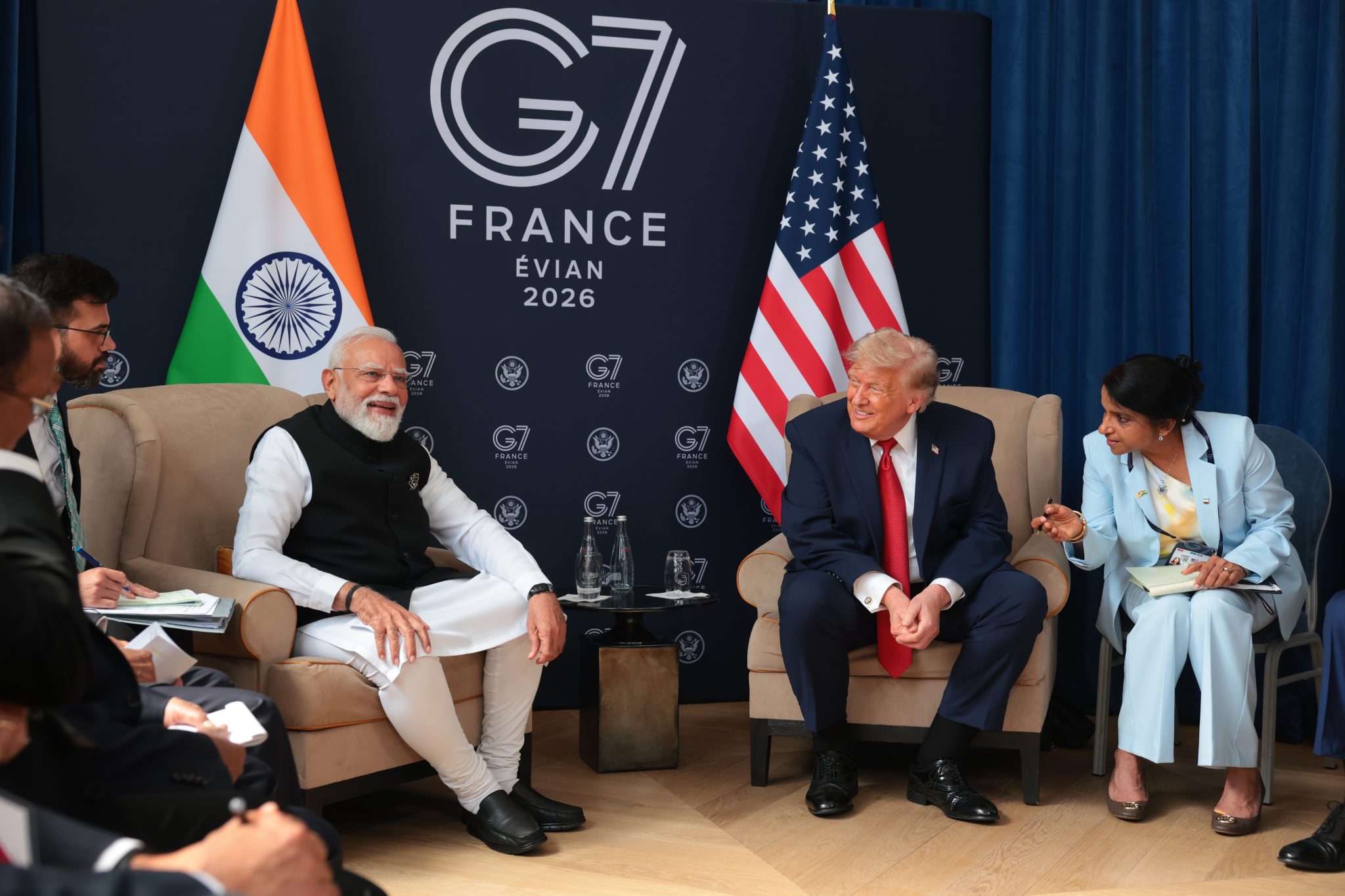
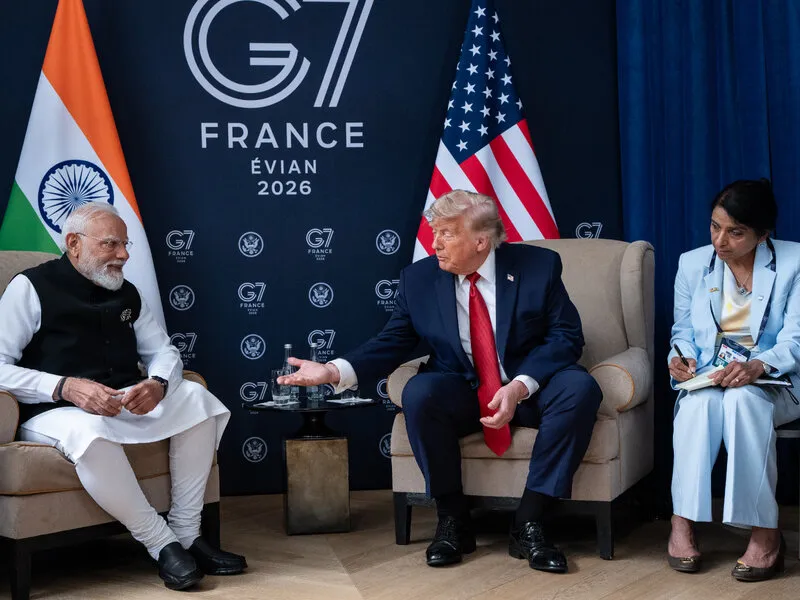
India’s growing economic and strategic importance, combined with its independent foreign policy, is creating a new dynamic in its relationship with the United States. While Washington seeks to strengthen trade, technology and security cooperation with New Delhi, differences over India’s close ties with Russia, Russian oil imports and the terms of a bilateral trade agreement are making relations between the two countries increasingly complex.
India’s position is that it should retain the freedom to make independent decisions based on its national interests while maintaining partnerships with countries around the world. The United States, meanwhile, wants India to play a more significant role in Indo-Pacific security, supply chains and technological cooperation. As a result, although cooperation between the two countries continues to expand, their positions do not align on every issue.
Uncertainty Surrounding the Trade Agreement
Negotiations on the India–US Bilateral Trade Agreement (BTA) have become one of the most important issues in the two countries’ economic relationship. Differences over tariffs, market access and the commercial terms governing various products are creating challenges to finalizing the agreement.
From India’s perspective, any trade deal must protect domestic industries, agriculture, exporters and the country’s long-term economic interests. The United States, on the other hand, is seeking greater access for American goods and services to the Indian market.
These differences demonstrate that despite their close strategic relationship, both countries continue to prioritize their own interests when negotiating commercial agreements.
Strategic Autonomy: A Key Feature of India’s Foreign Policy
India is involved in several international groupings and cooperative frameworks. It is a member of BRICS and the Shanghai Cooperation Organisation (SCO), alongside Russia and China, while also participating in the Quad with the United States, Japan and Australia. India is also part of the I2U2 initiative, which brings together India, the United States, Israel and the United Arab Emirates.
These diverse partnerships have broadened India’s diplomatic engagement. New Delhi is expanding defence and technological cooperation with Washington while maintaining energy and defence ties with Moscow. At the same time, it continues to account for its strategic competition with China and opportunities for multilateral cooperation.
India’s approach is primarily aimed at maintaining relationships with multiple partners on the basis of national interests rather than becoming entirely dependent on any single major power.
Pressure Over Russian Oil Imports
Another important issue in India–US relations is India’s imports of Russian crude oil. Energy security, import costs and domestic economic requirements are key considerations for New Delhi. Washington, meanwhile, has pursued policies aimed at limiting Russia’s energy revenues, including pressure on countries purchasing Russian oil.
This situation presents India with a diplomatic balancing challenge. New Delhi must strengthen trade and security cooperation with the United States while also considering its relationship with Russia and its own energy requirements.
India’s Position Between China and the United States
India’s rise is also significant for the regional balance of power in Asia. Although India faces border-related and strategic competition with China, it continues to maintain opportunities for cooperation through multilateral platforms. At the same time, it is expanding its defence, technology and Indo-Pacific security relationships with the United States.
Analytically, India’s approach should not be viewed simply as a source of disagreement with Washington. Rather, New Delhi seeks to benefit from international cooperation while preserving its policy independence. However, maintaining this balance can become increasingly difficult when the strategic expectations of major powers conflict with India’s national interests.
Future Challenges for India
India’s principal challenge is to capitalize on international trade and investment opportunities while preserving its freedom to make economic and strategic decisions independently. A balanced trade agreement with the United States could create new opportunities for Indian exporters. However, it is equally important to ensure that the terms are compatible with India’s agricultural sector, industries, energy security and long-term economic interests.
At the same time, New Delhi must maintain relations with Russia, manage strategic competition with China, strengthen regional security and increase its influence in international institutions.
Overall, the current dynamics of India–US relations extend beyond trade agreements and tariff policies. They involve India’s strategic autonomy, energy security and the evolving global balance of power. How the two countries address these issues could influence not only their bilateral relationship but also the broader landscape of international politics.
Editorial note: This report provides an analysis of the commercial and strategic dimensions of India’s foreign policy and its relationship with the United States. Claims that a foreign power is attempting to change India’s government should not be treated as established facts unless independently verified evidence is available.