
Is Elon Musk’s Starlink Satellite Internet Service a National Security Risk for India? Sovereignty and Regulatory Oversight at the Centre of Approval Debate
New Delhi, India | October 11, 2026 | The Global Journal
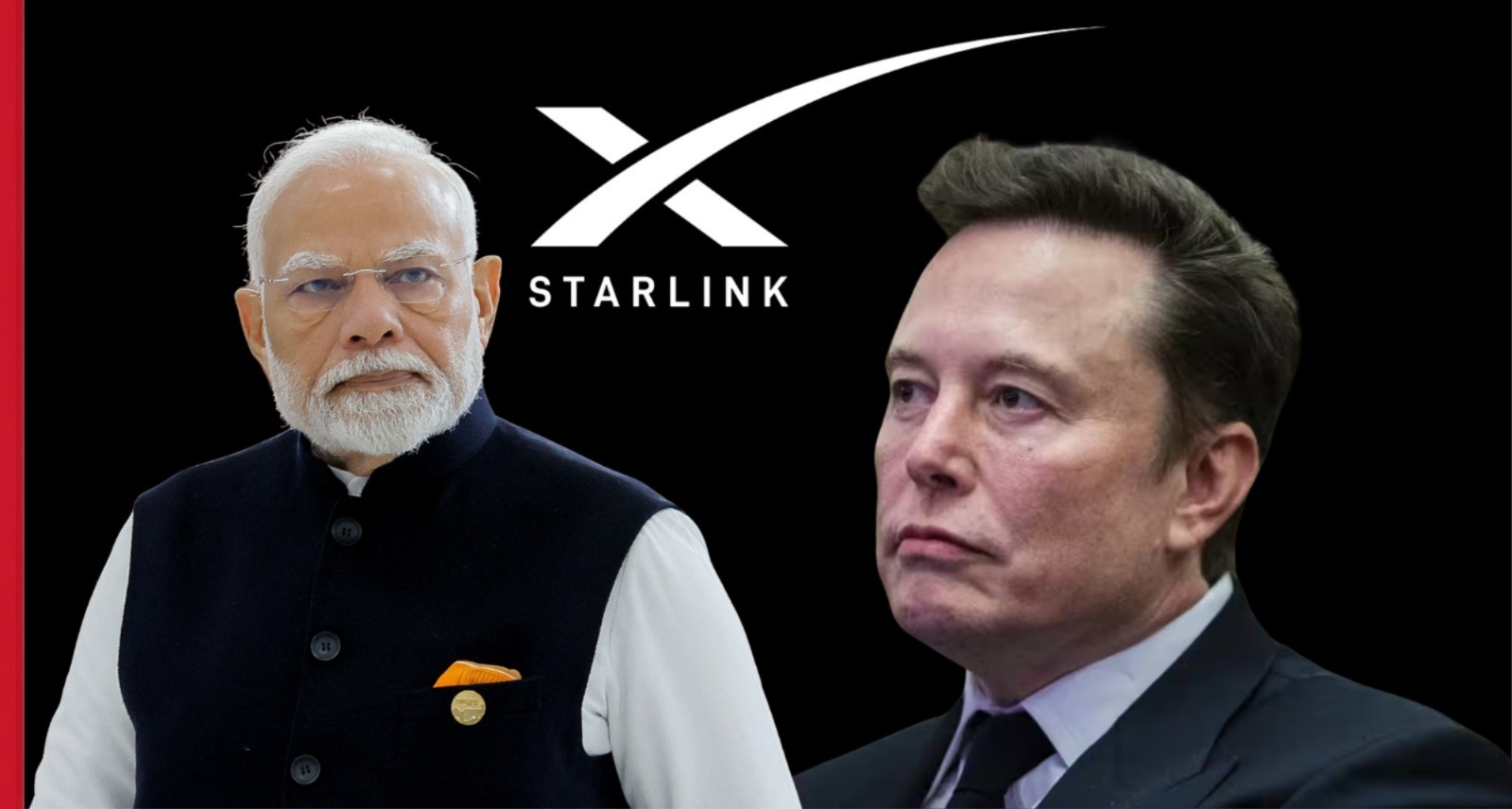
A debate over national security, data protection and government regulatory authority has emerged in India surrounding Starlink, the satellite-based internet service owned by technology entrepreneur Elon Musk. While Musk has raised concerns about the approval process for launching the service in the Indian market, the government’s position, as described in the source article, is that all licensed satellite communication providers must comply with the prescribed security requirements.
The central question is how India can expand internet access in remote areas while ensuring control over satellite networks, protecting data flows and maintaining state authority over communications infrastructure during emergencies.
Debate Over 4G Expansion in India
Musk’s comments highlighting gaps in rural internet connectivity have drawn attention to the progress of India’s digital infrastructure. According to the figures cited in the source article, as of May 2025, mobile connectivity was available in 629,027 of India’s 644,131 registered villages, while 623,512 villages had 4G coverage.
The article further states that the government’s 4G Saturation Scheme expanded coverage to 634,019 villages for mobile connectivity and 630,676 villages for 4G services. The author presents these figures as evidence of significant progress in extending communications infrastructure across rural India.
However, mobile network coverage and the need for satellite internet are not the same issue. Satellite-based services can provide alternative connectivity in remote mountainous regions, isolated communities and areas where conventional network infrastructure is difficult to establish. The debate over Starlink therefore involves both the potential to expand digital access and the need to meet national security requirements.
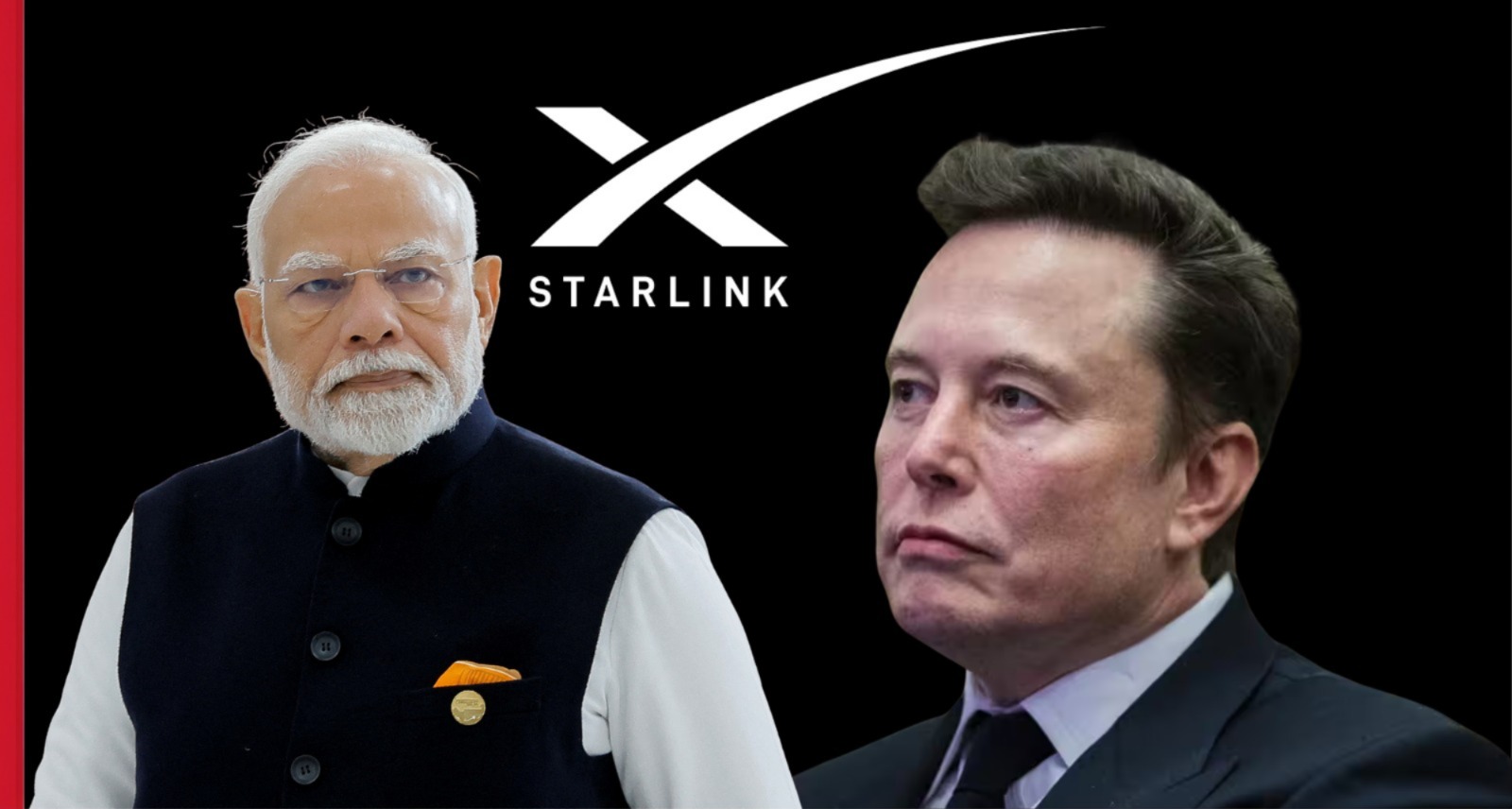
What Is the Indian Government Saying About Starlink’s Approval?
Citing a statement from India’s Ministry of Communications, the source article says that Starlink, Reliance Industries’ Jio Satellite Communications and Eutelsat OneWeb, backed by Bharti Airtel, have all received licences and are undergoing similar security assessments.
The article states that the security review, overseen by India’s Ministry of Home Affairs, examines whether providers can comply with requirements concerning data storage, domestic traffic routing and lawful interception. It also refers to requirements such as establishing local data centres and providing Domain Name System (DNS) resolution within Indian territory.
Quoting Communications Minister Jyotiraditya Scindia, the article says the government does not support monopolies in any sector. According to the minister’s remarks, the government’s objective is to offer consumers a range of technologies and services from which they can choose.
Under this framework, the Starlink approval process cannot automatically be interpreted as a measure directed against a foreign company. It is also part of the security regime applicable to providers seeking to operate in the same sector.
Why Is Satellite Internet a National Security Issue?
Satellite-based internet can provide connectivity across wide areas while reducing dependence on conventional terrestrial telecommunications infrastructure. It can serve as a useful alternative in remote locations, during natural disasters and in emergencies. However, when a private company controls a significant communications network, questions arise over service continuity, data security and compliance with lawful requests from enforcement authorities.
In a large and linguistically diverse country such as India, communications networks are connected to public administration, economic activity, emergency services and connectivity in border regions. The government therefore has reasons to require satellite internet providers to comply with domestic laws, security directives and data-management rules.
At the same time, excessive or unclear regulatory requirements can slow the adoption of new technologies and limit connectivity opportunities for people in remote areas. Policymakers must therefore balance national security, fair competition, consumer choice and digital inclusion.
Musk’s Political Role in Different Countries Under Scrutiny
Alongside his business activities, Musk’s public interventions in political debates across several countries have attracted international attention. His criticism of former German Chancellor Olaf Scholz, his comments during the 2024 unrest in the United Kingdom and the dispute involving his platform X and Brazil’s Supreme Court have raised questions about the political influence wielded by technology company owners.
The decision to restrict Starlink services around Crimea during the Ukraine war also became controversial. Reports and public debate examined the impact of that decision on a Ukrainian military operation. Starlink’s activation efforts during internet restrictions in Iran have likewise demonstrated how satellite networks can provide communication channels beyond conventional state-controlled infrastructure.
These developments can be viewed from different perspectives. Satellite internet can expand access to information and support freedom of communication. At the same time, decisions made by operators of critical networks can affect national security and emergency communications.
What Can India Learn From US Security Policy?
Citing national security concerns, the United States has imposed restrictions on several Chinese telecommunications companies, including Huawei and ZTE. US authorities have raised concerns about potential espionage, misuse of data and foreign influence over critical communications infrastructure.
The source article compares this approach with India’s handling of Starlink. Its argument is that providers of critical communications infrastructure should not be assessed solely on their technological capabilities or commercial potential. Ownership, operational control, data security and compliance with domestic laws should also be considered.
However, Starlink and Chinese telecommunications companies operate under different ownership structures, business models and technological arrangements. Their circumstances and any associated security concerns must be assessed individually. The existence of a potential risk does not, by itself, establish that a company poses a proven security threat.
India’s Key Challenge
The Starlink debate raises a broader policy question for India: how can the benefits of new technology be used to expand internet access in remote regions while protecting national data, communications infrastructure and security?
A transparent approval process, consistent rules for all providers, clear explanations of security requirements and effective accountability are important elements of that approach. Regulators must also consider whether their decisions impose unnecessary barriers to competition.
Satellite internet services such as Starlink could help extend connectivity in remote parts of India. Realising that potential, however, requires compliance with national laws and security requirements, alongside fair competition and protection of consumer interests.
Ultimately, the debate surrounding Starlink is about more than a disagreement between Elon Musk and the Indian government. It is a significant test of how India balances technological innovation and digital connectivity with national sovereignty and security.