
Israel Heads to October 27 Election as Netanyahu’s Far-Right Coalition Faces a Tough Test in Opinion Polls
Jerusalem, Israel | October 12, 2026 | The Global Journal
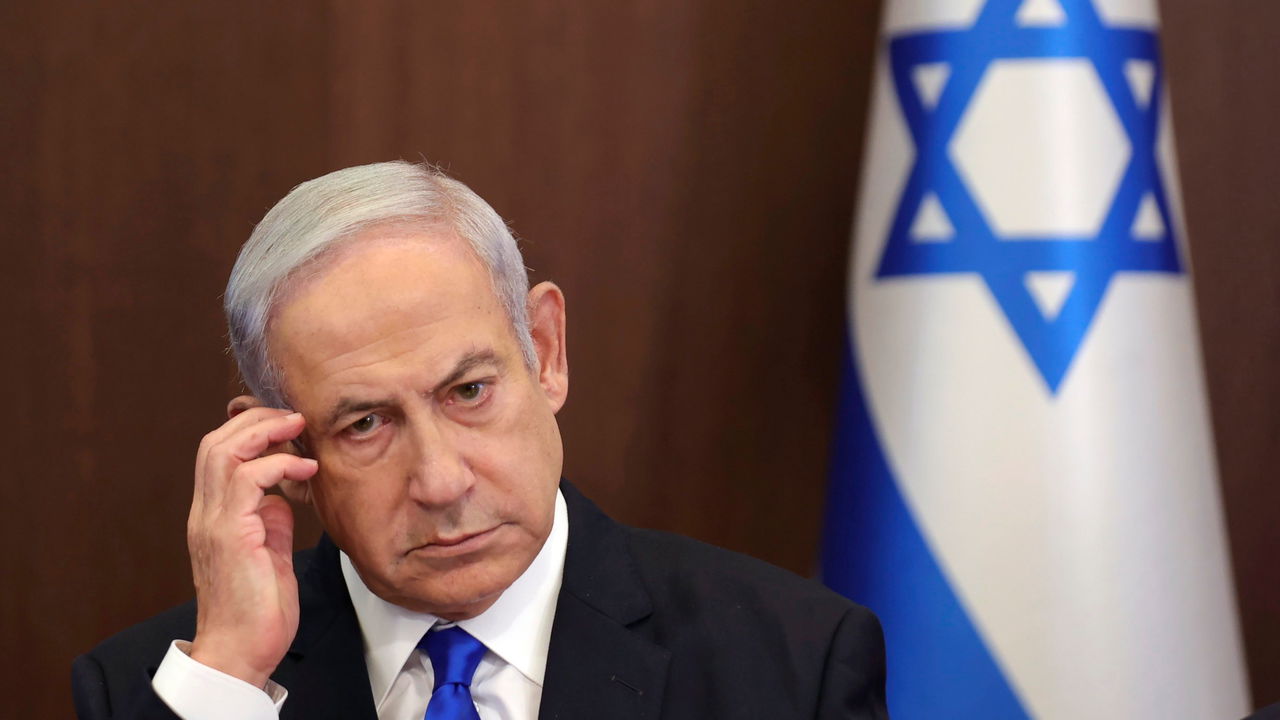
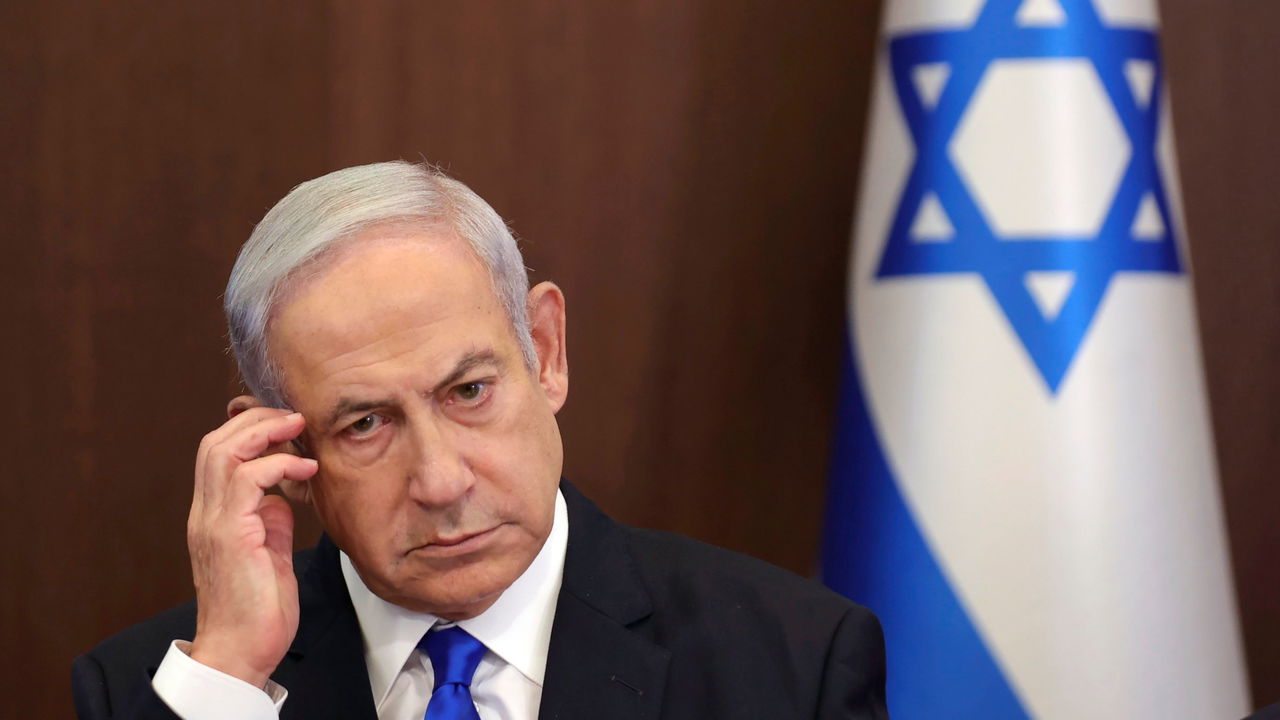
Israel is set to hold its national parliamentary election on October 27, with opinion polls pointing to uncertainty over whether Prime Minister Benjamin Netanyahu’s far-right coalition can secure enough seats to form the next government. The opposition bloc is also projected to fall short of a parliamentary majority, raising the possibility that Arab political parties could play a decisive role in post-election negotiations.
According to a combined estimate of opinion polls published by The Jerusalem Post, the opposition bloc led by Gadi Eisenkot, Yair Lapid and Naftali Bennett could win 54 seats in the 120-member Knesset, matching the projected total for Netanyahu’s far-right bloc. Arab parties are forecast to win eight seats.
A minimum of 61 seats is required to secure a majority in Israel’s parliament. Based on these projections, neither major political camp appears certain to reach that threshold independently. Arab parties could therefore become influential in negotiations over the formation of the next government.
Opposition Could Seek Support from Arab Parties
Yousef Jabareen, a leader associated with the Arab political camp, has said his party will use all available political means to remove Netanyahu from the premiership. However, he has ruled out formally joining the opposition alliance led by Eisenkot, Lapid and Bennett.
In a statement published by The Times of Israel, Jabareen said his party would seek to impose its conditions in any political arrangement formed after the election. He also stressed that the party wanted to retain its freedom to act in efforts to replace Netanyahu’s government.
The position suggests that Arab parties could influence the parliamentary balance without formally joining an opposition coalition. However, the conditions under which they might support a government—and which political camp could benefit—remain uncertain.
Why Arab Political Parties Could Matter
Arab political parties have historically played a limited role in Israel’s central government-forming process, despite representing a significant segment of the country’s population. In recent years, however, cooperation between Arab parties and centrist Jewish parties has emerged as a possible route to keeping far-right parties out of power.
In 2021, the United Arab List, led by Mansour Abbas, joined the government formed under Naftali Bennett and Yair Lapid. The coalition brought an end to Netanyahu’s tenure as prime minister at the time.
However, political disagreements and internal divisions made the coalition difficult to sustain. The government collapsed in 2022, paving the way for another election. Netanyahu’s Likud Party subsequently secured the opportunity to form a government with the backing of far-right allies.
That experience highlights both the potential influence of Arab parties and the challenges involved in maintaining political agreements. Their role after the upcoming election will depend on the final seat distribution and the negotiations that follow.
What the Polls Say About Seat Projections
A separate Channel 12 poll projects 54 seats for the opposition bloc, 49 for Netanyahu’s coalition and eight for Arab parties.
Under these projections, neither major camp would independently reach the 61-seat threshold required for a parliamentary majority. The positions of smaller parties and any post-election political agreements could therefore prove important in determining who forms the next government.
Opinion polls, however, are not final election results. Voter decisions, campaign developments and changes in political alliances could alter the projections before election day.
First Election Since the October 7, 2023, Attack
The October 27 election will be Israel’s first national parliamentary election since the October 7, 2023, attack. The subsequent Israeli military campaign in Gaza and the spread of conflict across the wider Middle East have placed security and foreign policy at the centre of political debate.
The war in Gaza has caused extensive loss of life and widespread destruction. Regional tensions have also affected Israel’s security environment and its relations with neighbouring countries.
The supplied report also refers to US and Israeli attacks on Iran earlier in 2026 and renewed escalation in the Saudi Arabia–Houthi conflict. The details and wider implications of these developments require separate verification.
What Could Happen After the Election?
It remains uncertain whether Netanyahu’s coalition will secure a parliamentary majority. The opposition bloc also faces the challenge of assembling enough support to form a government.
If neither camp wins an outright majority, Arab parties, smaller political groups and post-election negotiations could become central to the government-formation process.
The October 27 election is therefore significant not only for Netanyahu’s political future but also for Israel’s security policy, decisions concerning ongoing conflicts and the direction of its next government. However, the current polling projections do not establish the final result or guarantee a change of government.