Pakistani PM Shehbaz Sharif Tweets in Hopes of US President Donald Trump Winning the Nobel Peace Prize
Islamabad, Pakistan | October 9, 2026 | The Global Journal
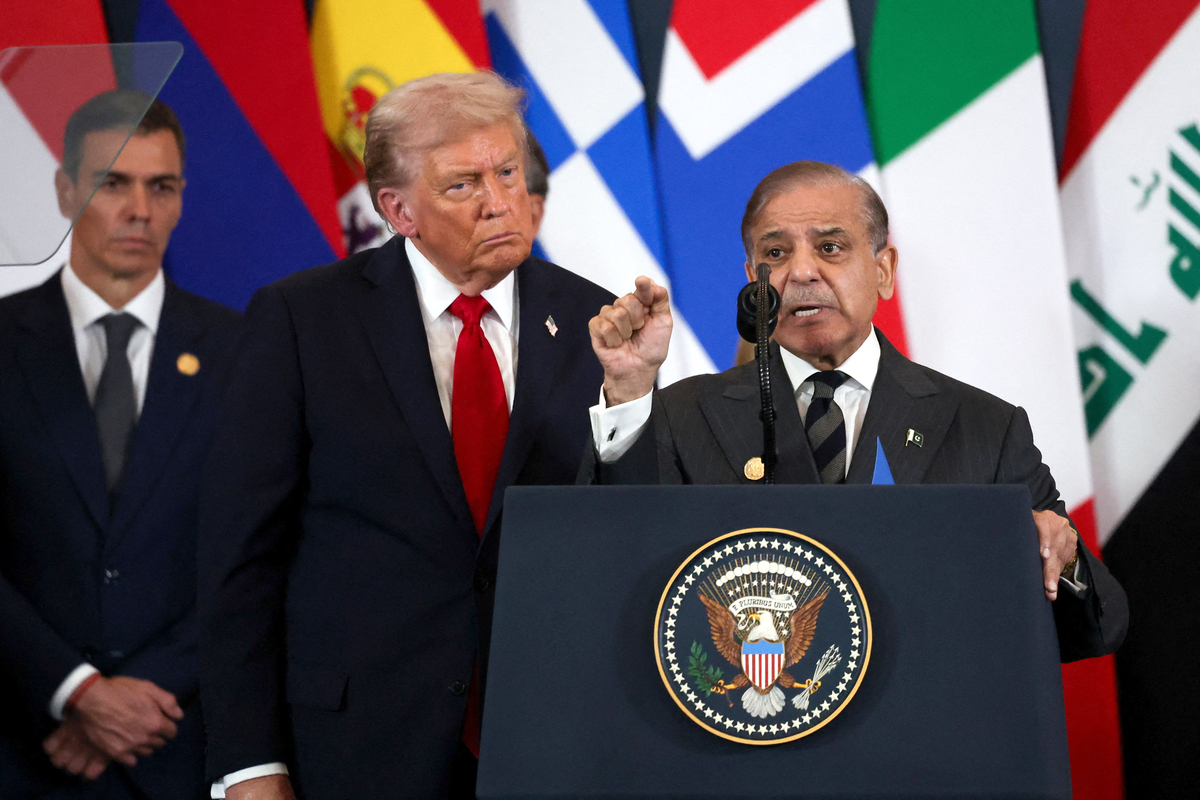
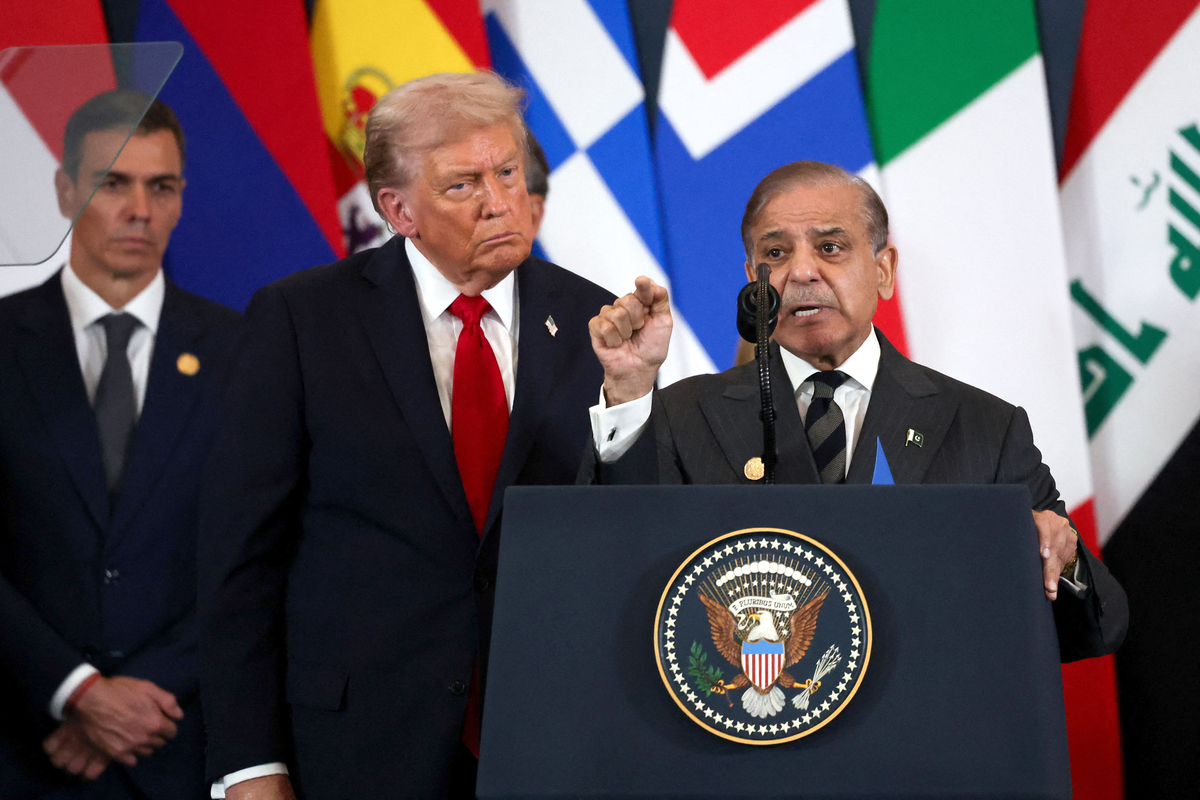
Pakistan’s Prime Minister Shehbaz Sharif had expressed hope that US President Donald Trump would win the 2026 Nobel Peace Prize, praising his role in promoting peace in South Asia. Sharif shared the remarks in a post on the social media platform X on Friday, October 9.
However, the Nobel Peace Prize ultimately went to South African jurist and former international judge Navanethem “Navi” Pillay. Within hours of the prize announcement, the Trump administration announced sanctions against the International Criminal Court (ICC), triggering renewed debate over international law and the independence of global judicial institutions.
Shehbaz Sharif Praises Trump’s Role in South Asia
In his post on X, Pakistani Prime Minister Shehbaz Sharif described Trump’s role in promoting peace in South Asia as historic. According to Sharif, Trump’s timely intervention helped India and Pakistan step back from the brink of conflict and facilitated a ceasefire that remains in effect.
Sharif also said Pakistan had nominated Trump for the Nobel Peace Prize in recognition of his contribution to regional peace. He expressed hope that Trump’s efforts to maintain stability and prevent further conflict in South Asia would receive appropriate international recognition.
However, India has maintained a different position regarding the role of third parties in resolving its disputes with Pakistan. Sharif’s remarks should therefore be understood as the Pakistani government’s account of Trump’s involvement.
Navi Pillay Wins the Nobel Peace Prize
On Friday, Norway’s Nobel Committee announced Navi Pillay as the recipient of the 2026 Nobel Peace Prize in recognition of her contributions to international law and peace.
Born in Durban, South Africa, to a family of Tamil Indian origin, Pillay previously served as the United Nations High Commissioner for Human Rights. She also served as a judge at the International Criminal Court.
Throughout her career, Pillay has worked on issues involving war crimes, crimes against humanity, genocide and accountability under international law. The Nobel Committee highlighted the importance of strengthening the rule of law at a time when international legal institutions and judges face political pressure.
US Announces Sanctions Against the ICC Hours After Nobel Announcement
Within hours of the Nobel Peace Prize announcement, the Trump administration announced sanctions against the International Criminal Court. US Secretary of State Marco Rubio said Washington would prohibit transactions with the court.
Referring to the ICC as a “rogue court,” Rubio warned that the United States could take steps to cripple its operations if Washington’s concerns were not addressed.
“Either the ICC will end its threats, or we will end the ICC,” Rubio said in a statement.
Washington has long objected to the ICC’s arrest warrants against Israeli officials, including Prime Minister Benjamin Netanyahu. The court’s previous investigation into alleged crimes involving US military personnel in Afghanistan has also been a source of tension, although that investigation has since been closed.
ICC Condemns US Sanctions: ‘History Will Judge This Moment’
The International Criminal Court strongly condemned the US sanctions, describing them as an attack on international law and the rule of law.
In a statement, the court warned that the measures undermined the foundations of the international legal order and challenged the principle that no one stands above the law.
“History will judge this moment,” the ICC said.
The court also argued that the sanctions were intended to intimidate its personnel and disrupt its operations. Nevertheless, it pledged to continue carrying out its mandate independently and impartially, relying on the law and evidence to pursue justice for victims of serious international crimes.
The ICC called on its member states to support the institution as it confronts the US measures. European countries have also been considering financial, technological and administrative safeguards to limit the potential impact of the sanctions.
Renewed Debate Over International Law
Established in 2002 and headquartered in The Hague, the Netherlands, the International Criminal Court prosecutes individuals accused of genocide, crimes against humanity and war crimes. The court has 125 member states, while the United States is not a party to the Rome Statute that established it.
The juxtaposition of Pillay’s Nobel Peace Prize and Washington’s sanctions against the ICC has intensified debate over the independence of international judicial institutions.
The Trump administration argues that certain ICC actions threaten US interests. The court, meanwhile, maintains that the sanctions undermine the rule of law and the international system established to hold perpetrators of serious crimes accountable.
In summary, Shehbaz Sharif had hoped Trump would receive the Nobel Peace Prize, but the award went to Navi Pillay. Hours after the announcement, Washington’s sanctions against the ICC added another dimension to international debates over diplomacy, political pressure and the future of international justice.
The Global Journal