
President Trump’s ‘Red Line’ vs. Khamenei’s Resistance: Is Iran Heading Toward Fracture? Will the Conflict Subside?
Istanbul | 17 February 2026 | The Global Journal
According to a report by Anadolu Ajansı Amid rising tensions in the Middle East and mounting internal unrest, the Islamic Republic of Iran is facing a multidimensional crisis. Economic decline, environmental degradation, erosion of political legitimacy, and recent military pressure are collectively narrowing Tehran’s strategic options.
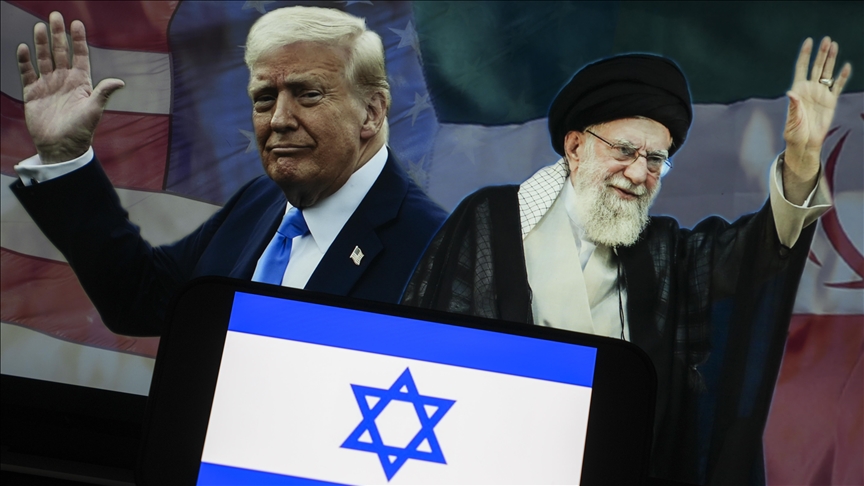
In June 2025, U.S. President Donald Trump ordered strikes on Iran’s nuclear facilities as part of “Operation Midnight Hammer.” According to Washington, the objective was clear: Iran’s nuclear advancement would no longer be managed through diplomatic delay, but curtailed through direct enforcement. Although Tehran publicly adopted a posture of resistance following the strikes, regional analysts argue that its strategic response remained limited and cautious.
Economic and Social Pressures
Iran’s economy has been battered by years of sanctions, soaring inflation, and high unemployment. The sharp depreciation of the rial, rising food prices, and elevated youth unemployment—particularly among women—are intensifying political discontent. With a significant portion of the population under 25, economic security has overtaken ideological loyalty as the primary concern for many young Iranians.
Environmental challenges have further complicated the crisis. Rapid depletion of groundwater and declining reservoir capacity have made water and electricity supplies increasingly uncertain in the capital and beyond. Internal displacement and provincial unrest are adding additional strain to the state’s governing capacity.
Regional Dynamics and the Question of Deterrence
Regionally, Iran’s proxy network appears less dominant than in previous years. In Lebanon, Hezbollah has suffered significant losses in recent confrontations, while in Syria, the weakened position of Bashar al-Assad has disrupted supply routes. Continued Israeli strikes and direct U.S. action have raised questions about the credibility of Tehran’s deterrence posture.
According to analysts, even a targeted move against Supreme Leader Ali Khamenei would not necessarily trigger an immediate full-scale regional war. The current balance of power favors Iran’s adversaries, making Tehran cautious about further escalation.
The China–Russia Equation
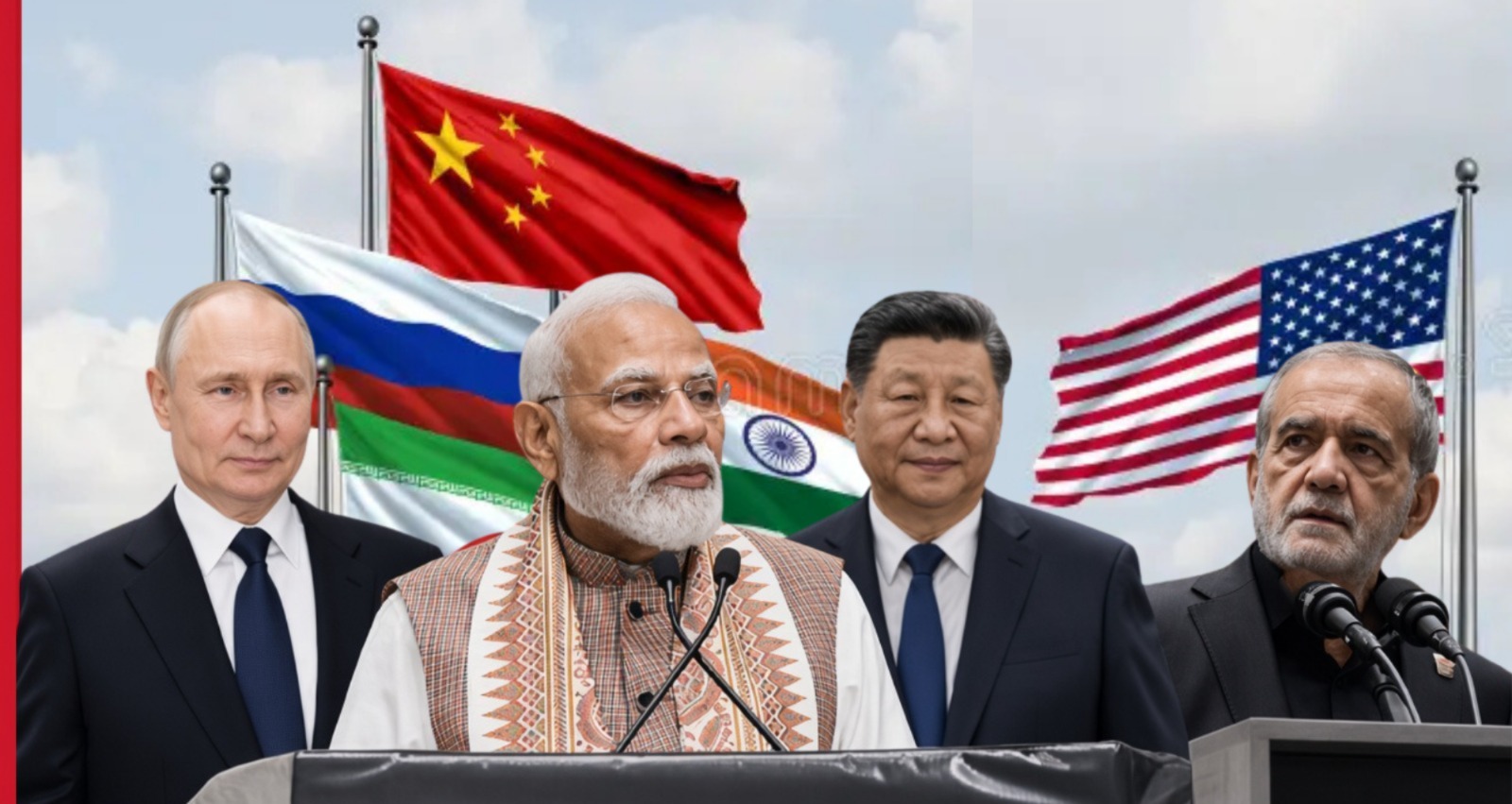
Tehran’s much-touted major-power partnerships have also come under scrutiny. Despite Iran’s provision of drones in the Ukraine war, Moscow has offered no direct military assistance. Similarly, China—Iran’s principal oil buyer—has remained militarily inactive during periods of heightened tension. Much of Iran’s oil is exported to China at discounted rates, limiting Tehran’s bargaining power and increasing its economic vulnerability.
Washington’s Strategy
Washington’s policy direction signals a reassertion of “red lines.” Analysts suggest that the Trump administration aims to demonstrate that previously eroded boundaries will now be enforced. A similar approach, observers note, has been applied in dealings with Venezuelan President Nicolás Maduro.
What Lies Ahead?
Tehran now faces three broad paths: escalation, limited accommodation, or structural reform. Yet amid economic deterioration and social unrest, the regime’s capacity to mobilize unified resistance appears weaker than before. External pressure no longer consolidates domestic unity; instead, it increasingly aligns with the narrative of protest movements.
As the strategic balance in the Middle East continues to shift, the survival of the Islamic Republic may hinge on two factors: how far Washington is willing to push its pressure campaign, and whether Tehran opts for pragmatic recalibration. The next chapter will likely be determined by decisions made in these two capitals.