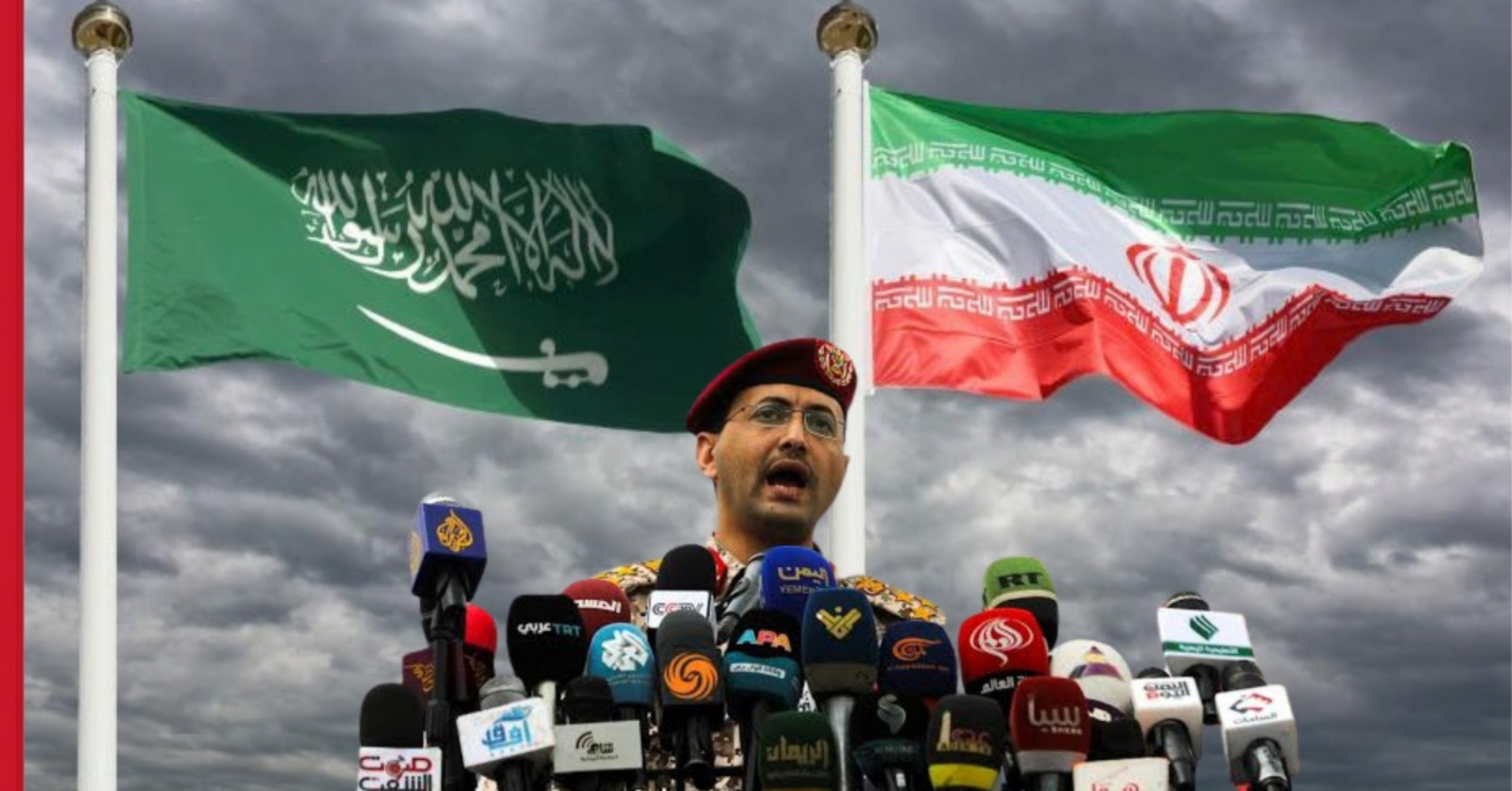

Saudi Arabia Could ‘Lose Everything’ if War with Yemen’s Houthis Continues, Iranian Analyst Seyed Mohammad Marandi Warns
Tehran, Iran | October 12, 2026 | The Global Journal
Saudi Arabia could face a serious economic and domestic crisis if its conflict with Yemen’s Houthi movement continues, Iranian analyst and University of Tehran professor Seyed Mohammad Marandi has warned. He cautioned that an escalation of hostilities could potentially bring Saudi oil exports to a complete halt, with far-reaching consequences for the kingdom’s economy.
Marandi made the remarks during a recent appearance on Al Mayadeen’s programme, “The Grand Standoff: Iran and the World.” He argued that Saudi Arabia remains heavily dependent on oil revenues, leaving its economic stability vulnerable if the conflict with Yemen intensifies.
Warning Over Saudi Arabia’s Oil-Dependent Economy
According to Marandi, oil plays a significantly greater role in Saudi Arabia’s economy than in many other countries, including Iran. He argued that any major disruption to the kingdom’s energy infrastructure or oil export routes could have consequences across multiple sectors of its economy.
Marandi said Saudi Arabia had already suffered losses as a result of the conflict and warned that continued fighting could make the situation considerably worse.
“If this war continues, Saudi Arabia will lose everything,” he said, as quoted in the discussion.
His remarks represent his assessment of the potential consequences of the conflict rather than a verified forecast of Saudi Arabia’s economic future.
Claims About the Houthis’ Military Capabilities
The Iranian analyst said Yemen’s Houthi movement, also known as Ansar Allah, has several important potential targets in Saudi Arabia.
Marandi claimed that the group had so far carried out its attacks after careful calculation and could launch more powerful strikes. He said people familiar with the matter had told him that the Houthis possessed the capability to intensify their attacks.
He warned that further escalation could place additional pressure on Saudi energy infrastructure, oil transportation and export operations.
However, his assessment of the Houthis’ military capabilities and their potential future operations has not been independently verified.
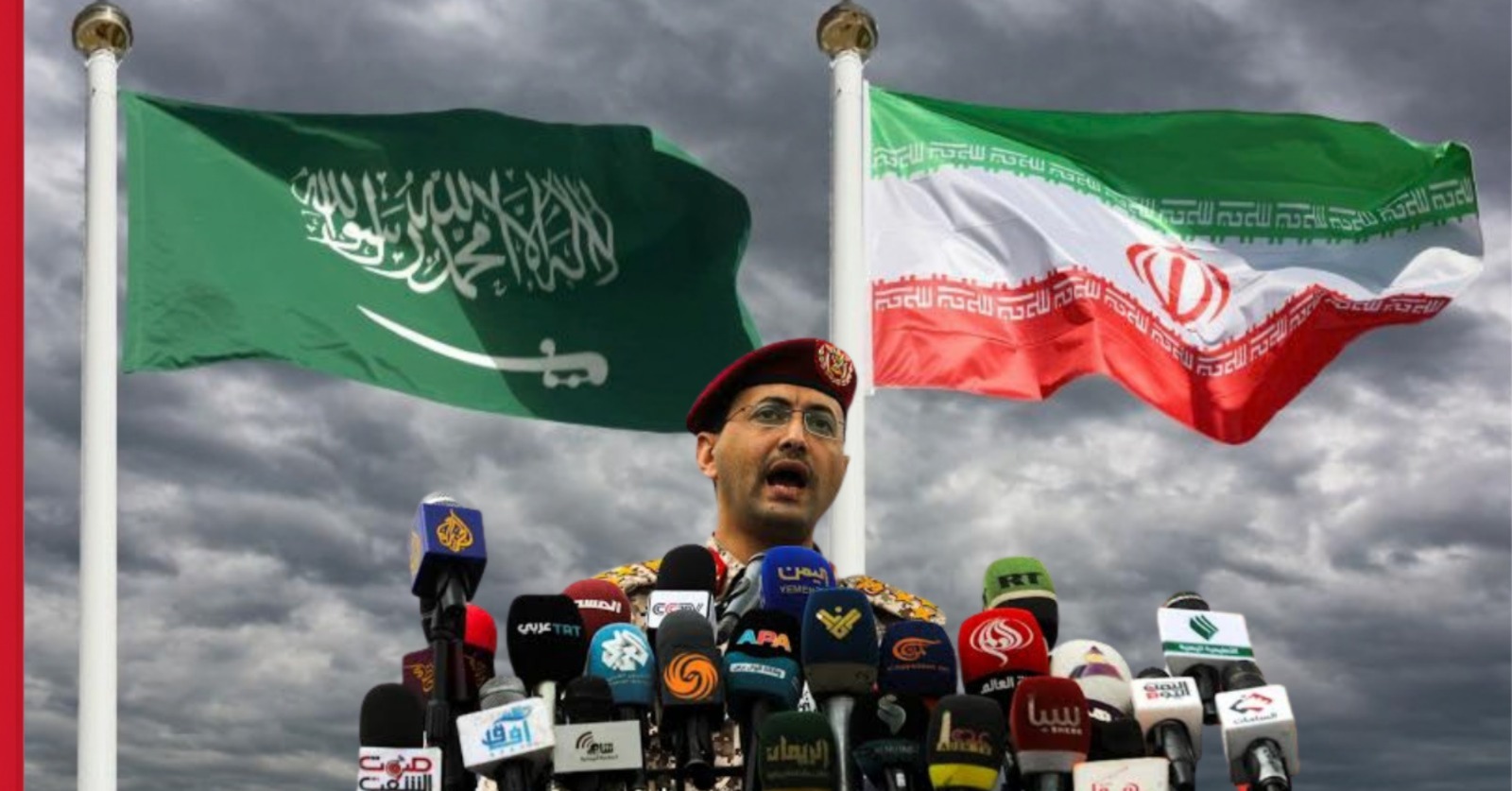
Marandi Says the Houthis Want Riyadh to End the War
According to Marandi, the Houthis do not necessarily seek to destroy Saudi Arabia. Rather, he argued, their objective is to make Saudi Crown Prince Mohammed bin Salman recognise the consequences of the conflict and take steps to end the war.
Marandi warned that if Saudi Arabia intensifies its military operations, the Houthis could respond with stronger attacks. Such a scenario, he said, could threaten Saudi oil exports and potentially disrupt them altogether.
His comments highlight the possible economic consequences of continued hostilities and the risks associated with further military escalation.
Concerns Over Saudi Arabia’s Domestic Economy
Marandi also argued that a prolonged conflict could expose Saudi Arabia’s leadership to growing economic and political pressure at home.
A significant decline in oil export revenues could affect government income, investment and the financing of development projects, he suggested.
However, Saudi Arabia’s economy is not exclusively dependent on oil. The kingdom has also been investing in tourism, financial services, industry, infrastructure and other sectors as part of its economic diversification efforts.
The actual impact of any escalation would depend on the scale of the conflict, the condition of energy supply routes and the government’s ability to manage economic pressures.
Questions Over Saudi Investments in the United States
Marandi also raised concerns about Saudi Arabia’s assets and investments in the United States, including government bonds and stock markets.
He questioned whether Washington would readily allow Saudi and Qatari leaders to withdraw their funds from the United States if they decided to do so in the future.
Pointing to what he described as serious challenges in the US bond market and the wider American economy, Marandi questioned whether the US administration would make such withdrawals straightforward.
However, no specific evidence was presented in the account of his remarks to establish that the United States would prevent Saudi Arabia or Qatar from withdrawing their investments. The practical circumstances would depend on the type of assets involved, contractual arrangements, market conditions and applicable laws.
Potential Economic Consequences for the Region
Marandi’s warning comes amid continuing concerns about security in the Gulf region and the stability of international energy supplies.
Saudi Arabia is one of the world’s major oil producers and exporters. A substantial disruption to its oil production, export infrastructure or transportation routes could affect international energy markets.
Nevertheless, a complete halt to Saudi oil exports is not a certainty. The outcome would depend on how the conflict develops and whether critical energy infrastructure and shipping routes remain operational.
Marandi’s remarks focus on the potential economic costs of a prolonged conflict, the Houthis’ claimed military capabilities and the vulnerability of regional investments. His statements should be understood as an analyst’s assessment rather than an independently verified prediction of what will happen to Saudi Arabia’s economy.