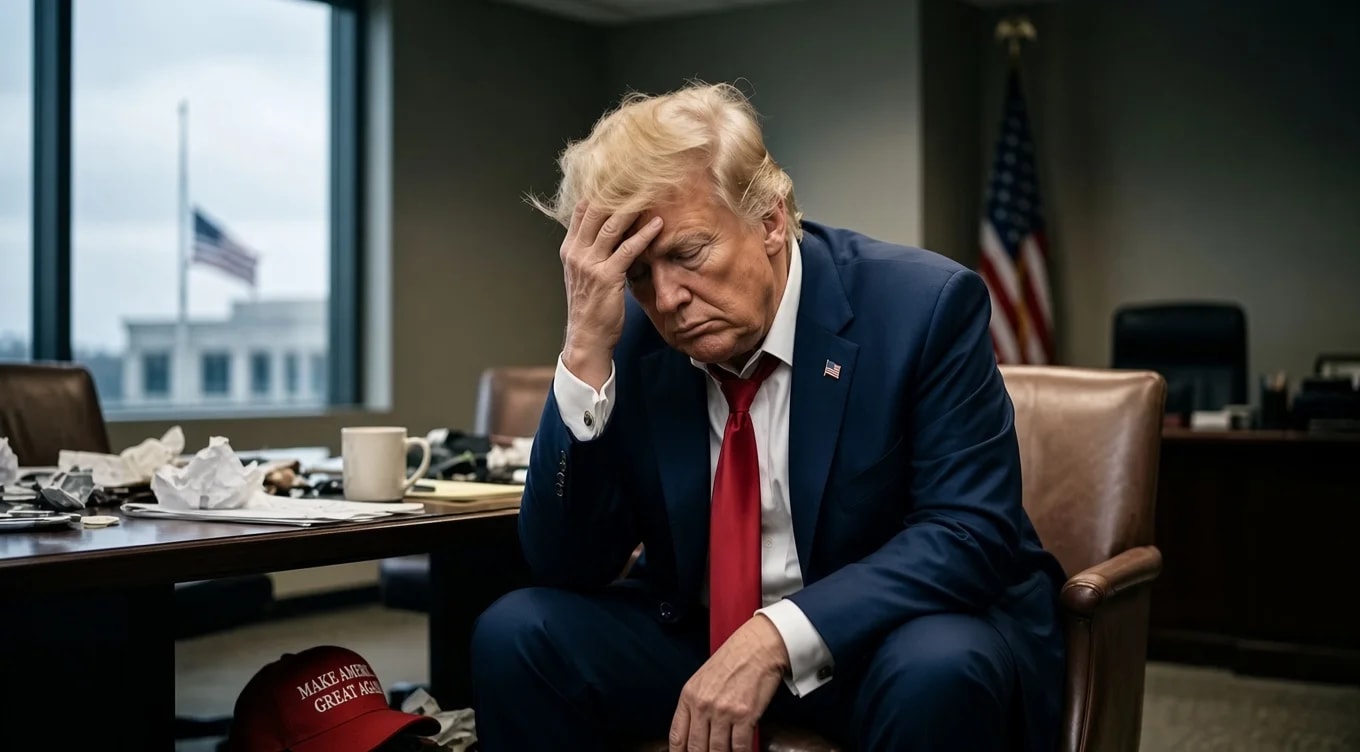

Trump Faces Major Political Setback as Republicans Lose Control of the US Senate in Midterm Elections, Dealing a Blow to the White House
Washington, United States | November 4, 2026 | The Global Journal
A major political shift has taken place in the 2026 US midterm elections. The Democratic Party has regained control of the US Senate, defeating President Donald Trump's Republican Party in several key states. Democrats have secured this victory by capturing Republican-held seats across several important states. Meanwhile, Democrats are also making significant gains in the lower chamber, the House of Representatives.
According to the latest report by the Associated Press (AP), Democrats have managed to flip six Senate seats. For the first time in decades, Democratic senators have been elected in Texas, Kansas and South Carolina. Republican-held seats have also been lost in North Carolina and Ohio. The results have significantly altered the balance of political power in the US Senate.
Democrats Regain Senate Majority
With control of the Senate restored, Democratic leader Chuck Schumer now has an opportunity to lead the majority party in the upper chamber beginning next January. Following the election, he said that American voters had delivered a mandate for change. In his words, “Relief is on the way for the American people.”
By securing a Senate majority, Democrats will have greater opportunities to strengthen congressional oversight of the Trump administration, influence the approval of key administrative and judicial appointments, and play a more significant role in the legislative process. The party will also gain greater political leverage over the president's policy initiatives.
In the 100-member US Senate, Democrats are currently leading with 52 seats, while Republicans hold 40 seats. Alongside the upper chamber, Democrats are also showing strong momentum in the House of Representatives. The 435-member lower chamber requires 218 seats to secure a majority. Democrats are also maintaining a substantial lead in this contest. They have already secured 184 seats, compared with 113 seats won by Republicans.
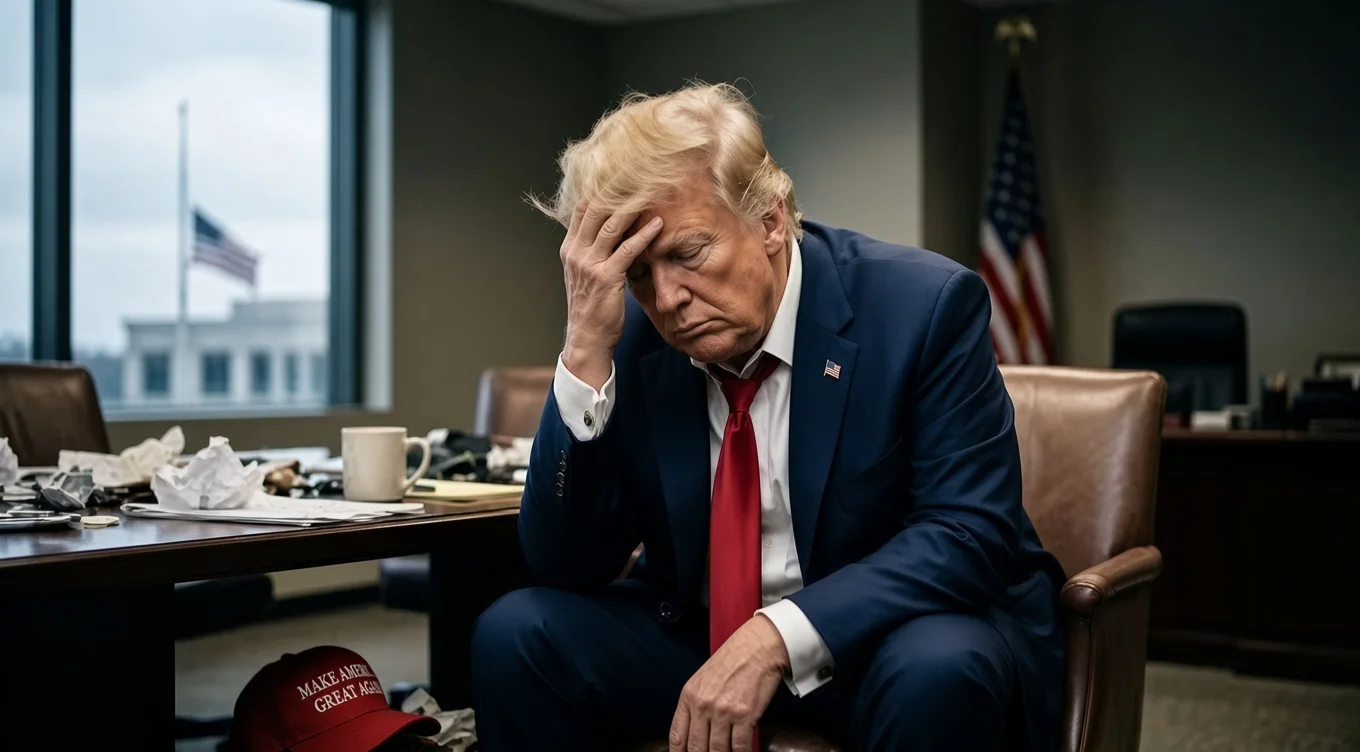
Republican Defeats in Key States
In Texas, Democratic candidate James Talarico defeated Republican Ken Paxton. This marks the first time since 1988 that a Democrat has been elected to the US Senate from Texas. In Ohio, former Senator Sherrod Brown defeated Republican Jon Husted, returning to the Senate.
In South Carolina, Democrat Annie Andrews made history by becoming the first elected female senator representing the state. In North Carolina, former Governor Roy Cooper defeated Republican Michael Whatley. Democrats also secured a victory in Kansas, further contributing to the shift in the Senate's balance of power.
Battle for Control of the House of Representatives
Although Democrats have secured victory in the Senate, the final outcome of the race for control of the House of Representatives remains uncertain. A majority in the 435-member lower chamber requires 218 seats.
According to AP, Democrats have already flipped more than seven seats previously held by Republicans during the vote-counting process. This has raised the possibility of Democrats regaining control of the lower chamber as well. However, the final balance of power in the House cannot yet be determined until the remaining results are counted.
Voter Dissatisfaction with Trump Reflected in Election Results
According to AP voter surveys, rising living costs, the war with Iran and concerns over government corruption played significant roles in the election. Many voters expressed support for stronger congressional oversight of the Trump administration.
Republican campaign officials have also blamed Trump's political standing and administration policies for the party's losses. In their view, defeats in states such as Texas, South Carolina and Ohio reflect voter dissatisfaction with the president's political position.
Political Challenges Ahead for Trump's Remaining Two Years in Office
Losing control of the Senate could make the political environment in Washington increasingly complicated during the remaining two years of Trump's presidency. Democrats will be able to organise investigations and hearings into various activities of the administration, while also gaining greater influence over the appointment process for judges and other key government officials.
However, Trump has indicated that he is prepared to accept the election results. In remarks to The New York Times, he said he was ready to accept the outcome and work with Democrats. At the same time, he also raised the possibility of vetoing initiatives proposed by the Democratic Party. As a result, political disagreements and legislative gridlock between the White House and Congress could intensify in the coming days.
Overall, the Republican Party's loss of control of the Senate in the 2026 midterm elections is being viewed as a major political setback for President Donald Trump. If the final results in the House of Representatives also favour Democrats, the Trump administration could face strong opposition in both chambers of Congress.
Sources: Associated Press (AP), Al Jazeera.