
Trump’s Double Standards on Russian Energy Show Why India’s Energy Security Cannot Depend on US Goodwill — Opinion
New Delhi, India | October 17, 2026 | The Global Journal
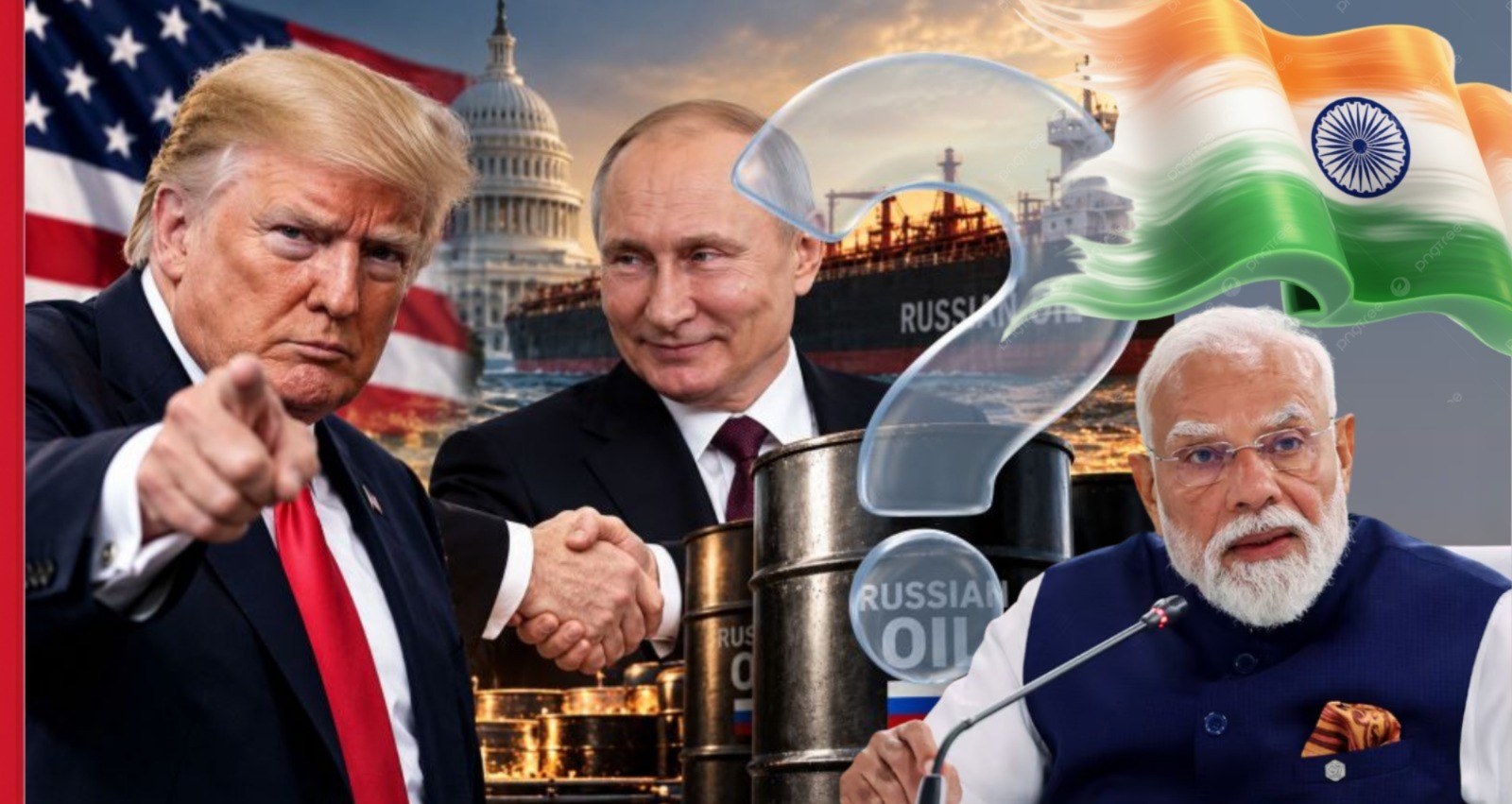
The United States’ approach to Russian energy has sparked renewed debate over the consistency of Washington’s policies. While India has faced threats of tariffs and sanctions for purchasing Russian oil, reports of potential Russian diesel supplies to meet US domestic energy needs have raised questions about the principles guiding American policy. Critics argue that Washington’s position on Russian energy trade appears to be influenced by its own economic needs and domestic political pressures. For India, the situation highlights the importance of strengthening its energy security and reducing strategic vulnerabilities.
The central question is whether it is consistent for the United States to pressure India over its purchases of Russian energy while potentially allowing similar trade arrangements when its own domestic needs require them. The issue has brought renewed attention to the effectiveness of international sanctions, the realities of global energy markets and allegations of double standards among major powers.
History Shows How Economic Interests Can Shape Policy
In 1980, following the Soviet invasion of Afghanistan, US President Jimmy Carter imposed restrictions on American grain sales to the Soviet Union. However, the move also placed economic pressure on American farmers.
In 1981, President Ronald Reagan lifted the restrictions. In subsequent years, the United States imposed restrictions on European companies involved in a Soviet gas pipeline project while continuing to sell grain to the Soviet Union.
These historical episodes are cited by analysts who argue that domestic economic interests can influence the implementation of international sanctions, alongside broader foreign-policy objectives.
India Faces Pressure Over Russian Energy Purchases
India is one of the world’s largest energy importers, meeting a substantial share of its crude oil demand through foreign supplies. Purchasing oil from Russia has formed part of New Delhi’s strategy to diversify energy sources and manage import costs.
Citing data from the Centre for Research on Energy and Clean Air (CREA), the original article states that India purchased crude oil worth €4.1 billion from Russia in August 2026. It also cites United Nations trade data indicating that Russia accounted for 33% of the value of India’s crude oil imports in 2025.
Meanwhile, the United States has threatened tariffs on countries purchasing Russian oil as part of efforts to limit Moscow’s energy revenues. These pressures have made India’s energy policy and commercial decisions an important issue in its discussions with Washington.
Controversy Surrounding US Diesel Arrangements
The original article claims that on October 9, 2026, the US Treasury Department’s Office of Foreign Assets Control (OFAC) issued a temporary general licence authorising Russian diesel supplies. It further states that the authorisation was set to remain valid until April 7, 2027.
According to the article, Russia planned to supply diesel in several shipments. Rising domestic fuel prices in the United States and concerns about shortages in the global diesel market were presented as important reasons behind the proposed arrangement.
The original text also claims that the US retail price of diesel reached $6.28 per gallon on October 9, compared with $3.68 a year earlier. These price figures, the terms of the alleged licence and the proposed volume of supplies require independent verification before publication.
If the United States authorised Russian diesel imports to stabilise its domestic energy market, questions could arise about the consistency of its policy towards India’s purchases of Russian energy. However, crude oil and refined diesel are different products traded under different commercial and regulatory arrangements. Their legal conditions and circumstances must therefore be examined separately.
The Goal of Sanctions: Reducing Russian Revenue or Maintaining Supply?
A major objective of Western restrictions on Russian energy has been to limit Moscow’s revenue from the sector and reduce the resources available to finance its war against Ukraine. At the same time, policymakers must consider the need to maintain adequate supplies in global energy markets.
This creates a policy dilemma. Restricting Russian energy trade may reduce Moscow’s revenue, but it can also constrain global supplies and contribute to higher prices. Conversely, granting exemptions to maintain supplies may allow Russia to continue earning revenue from energy exports.
The original article claims that Russia’s oil and gas tax revenue fell by 17% to 5.47 trillion roubles between January and September 2026. This figure, along with the factors said to have contributed to the decline, should be verified against reliable sources before publication.
Five Priorities for India’s Energy Security
The current debate over India–US relations highlights five policy considerations for New Delhi.
First, diversify energy suppliers. Excessive dependence on a single country or region can expose supply chains to political changes and international crises.
Second, account for refinery capabilities. Many Indian refineries can process different grades of crude oil. The type of oil, its price and the reliability of supply are therefore important considerations when making import decisions.
Third, seek written assurances in trade negotiations. Rather than relying solely on temporary exemptions, India could seek clear and durable terms that provide greater predictability for its energy trade.
Fourth, consider expanding strategic reserves. Adequate reserves can help cushion the immediate effects of international conflicts or disruptions to energy supplies.
Fifth, assess economic risks beyond energy. Excessive dependence on one country for technology, financial transactions, supply chains or information technology can create additional strategic vulnerabilities.
Broader Implications for India–US Relations
India and the United States cooperate in defence, technology, trade and Indo-Pacific security. However, disagreements over New Delhi’s relationship with Moscow and its imports of Russian energy can complicate their broader economic and strategic engagement.
India’s challenge is to maintain cooperation with Washington while protecting its domestic energy needs, economic interests and independent foreign-policy choices. US policymakers, meanwhile, face questions about how to maintain consistency between the stated objectives of sanctions and their practical implementation.
Overall, the debate over Russian energy and US pressure on India raises important questions about the consistency of international sanctions policy. Strengthening long-term energy security through supplier diversification, robust strategic reserves and clear guarantees in international trade negotiations could help India reduce its exposure to external political pressures.
Editorial note: This report is based on a supplied opinion article. Before publication, claims concerning the alleged 2026 SRIA law, the OFAC licence, Russian diesel supplies, fuel prices and Russian energy-tax revenue should be verified against official documents and reliable news sources.
The Global Journal | International News Desk