
Qatar Announces Plans to Build a “Massive” Solar Power Plant in Lebanon to Address the Country’s Prolonged Energy Crisis
Beirut, Lebanon | October 16, 2026 | The Global Journal
Qatar has announced plans to establish a major solar power plant in Lebanon to help address the country’s prolonged energy crisis and improve electricity supplies. QatarEnergy, Qatar’s state-owned energy company, has reached an agreement with French energy company TotalEnergies to jointly develop the project. Doha has also called for an end to Israeli military operations in southern Lebanon and the withdrawal of Israeli forces from Lebanese territory.
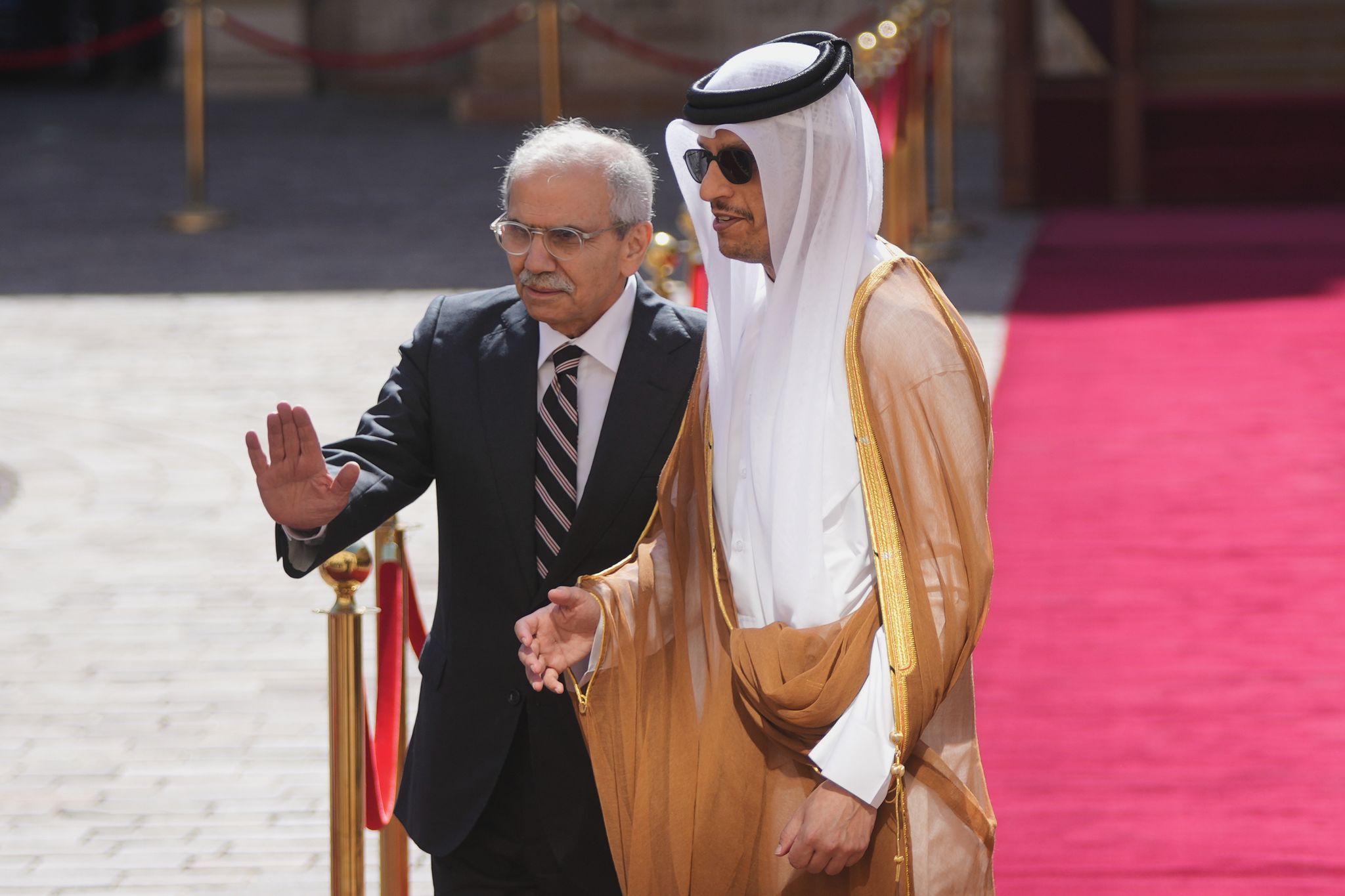
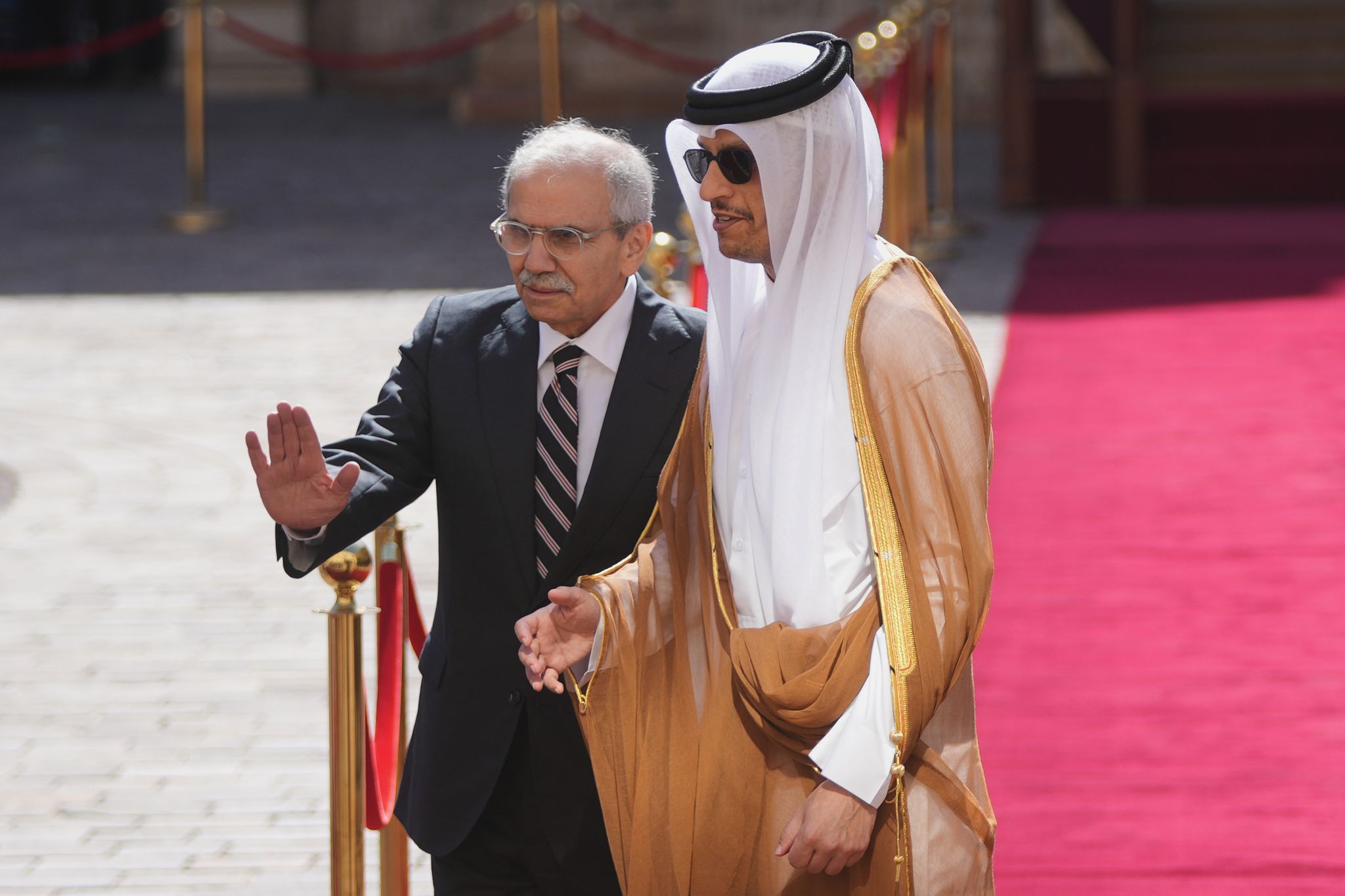
The announcement was made by Qatari Prime Minister Sheikh Mohammed bin Abdulrahman bin Jassim Al Thani on Friday following a meeting with his Lebanese counterpart, Nawaf Salam, in Beirut. Sheikh Mohammed said the two sides had agreed to establish a comprehensive framework for energy cooperation and pursue practical solutions to Lebanon’s electricity crisis.
He described the proposed solar power plant as a major investment initiative that would benefit the Lebanese economy as well as the Qatari companies and institutions involved in the project.
Qatar to Fund and Implement the Project
Lebanese Prime Minister Nawaf Salam said plans for the country’s electricity sector would soon be presented to the Lebanese Cabinet. According to Salam, Qatar would undertake the financing and implementation of the project without imposing direct costs on the Lebanese state.
The initiative comes as Lebanon continues to face a severe financial crisis. The country’s state electricity sector has been burdened by outdated infrastructure, excessive staffing and substantial financial losses. According to the report, the state electricity company has accumulated approximately $40 billion in losses and debt over several decades.
Many parts of Lebanon receive electricity for only a few hours a day. The government has also faced persistent financial challenges in covering fuel imports and electricity generation costs.
If implemented, the solar power project could help increase Lebanon’s electricity generation capacity and reduce its dependence on conventional energy sources. However, details regarding the plant’s generating capacity, construction timeline and expected start of operations have not yet been announced.
Qatar Calls for an End to Israeli Attacks in Southern Lebanon
During his visit to Beirut, the Qatari prime minister also met Lebanon’s president and parliament speaker. Security developments in southern Lebanon and Israeli military operations inside Lebanese territory featured prominently in the discussions.
Sheikh Mohammed said what he described as Israeli violations of Lebanese territory had been an important subject of his talks. He called on Israel to withdraw its forces from Lebanon and cease its attacks.
Qatar is also coordinating with the United States to help prepare for the reconstruction of southern Lebanon. The initiative aims to support the recovery of damaged areas and enable displaced residents to return to their homes.
Displacement and Humanitarian Concerns Persist Despite Ceasefire
Israeli attacks in southern Lebanon have continued despite a ceasefire agreement reached in June under US mediation, according to the report. Under the agreement, the Lebanese government is expected to disarm Hezbollah, the Iran-backed armed group. In return, Israeli forces are expected to withdraw gradually from areas they occupy in southern Lebanon.
However, Hezbollah is not a party to the agreement and has refused to disarm until Israel withdraws from Lebanese territory.
According to Lebanese authorities, Israeli attacks have killed more than 4,300 people in the country since March. At the height of the conflict, approximately 1.2 million people were displaced.
Data from the International Organization for Migration (IOM) indicate that although most displaced residents have returned home since the June ceasefire, more than 300,000 people remain displaced.
Prime Minister Nawaf Salam thanked Qatar for its continued support during what he described as some of Lebanon’s darkest hours.
Qatar’s proposed solar power initiative could create new opportunities to strengthen Lebanon’s energy infrastructure. At the same time, Doha’s calls for an end to Israeli attacks and its coordination with Washington on reconstruction underscore its diplomatic engagement in efforts to address Lebanon’s humanitarian and security challenges.
Source: Al Jazeera
The Global Journal | International News and Analysis