Ukraine Losing Ability to Intercept Russian Missiles, Has Only 10% of Required Interceptors, Zelenskyy Tells CNN
The Global Journal | Kyiv | August 13, 2026
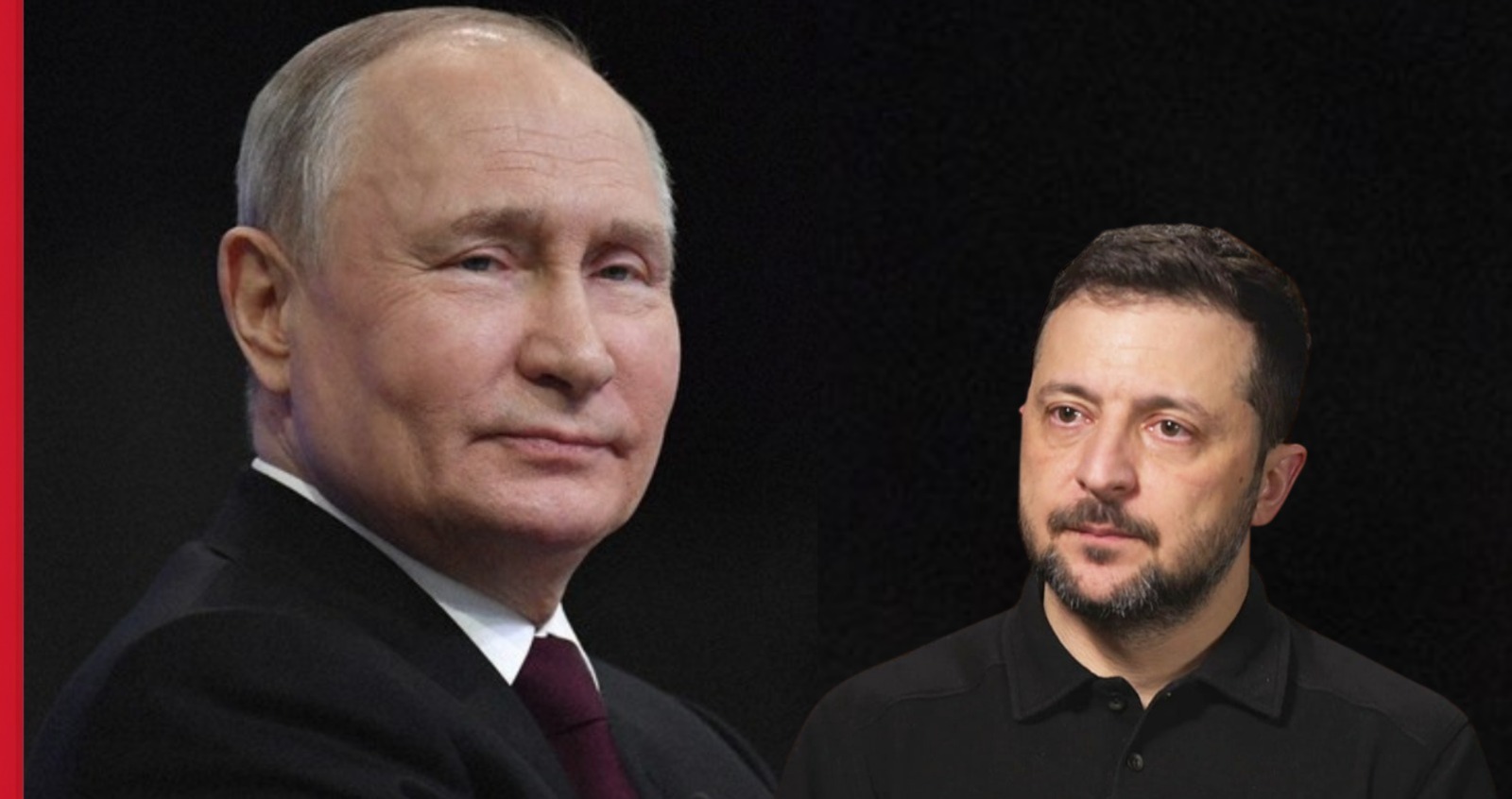
Ukraine’s air defence system is under severe pressure as Russia intensifies its missile attacks, Ukrainian President Volodymyr Zelenskyy has said. According to Zelenskyy, Ukraine currently has only 10% of the air-defence interceptors it needs to counter Russian missile attacks.
In an interview with CNN on Wednesday, Zelenskyy said Ukraine’s interceptor stockpiles have declined significantly compared with last year, while Russia is using roughly twice as many ballistic missiles each month as it did previously.
“This year, we have two and a half times fewer interceptors than we had in 2025. Russia has two times more ballistic missiles per month than before,” Zelenskyy said. He added that Ukraine is facing attacks almost every night, with four or five large-scale missile attacks each month.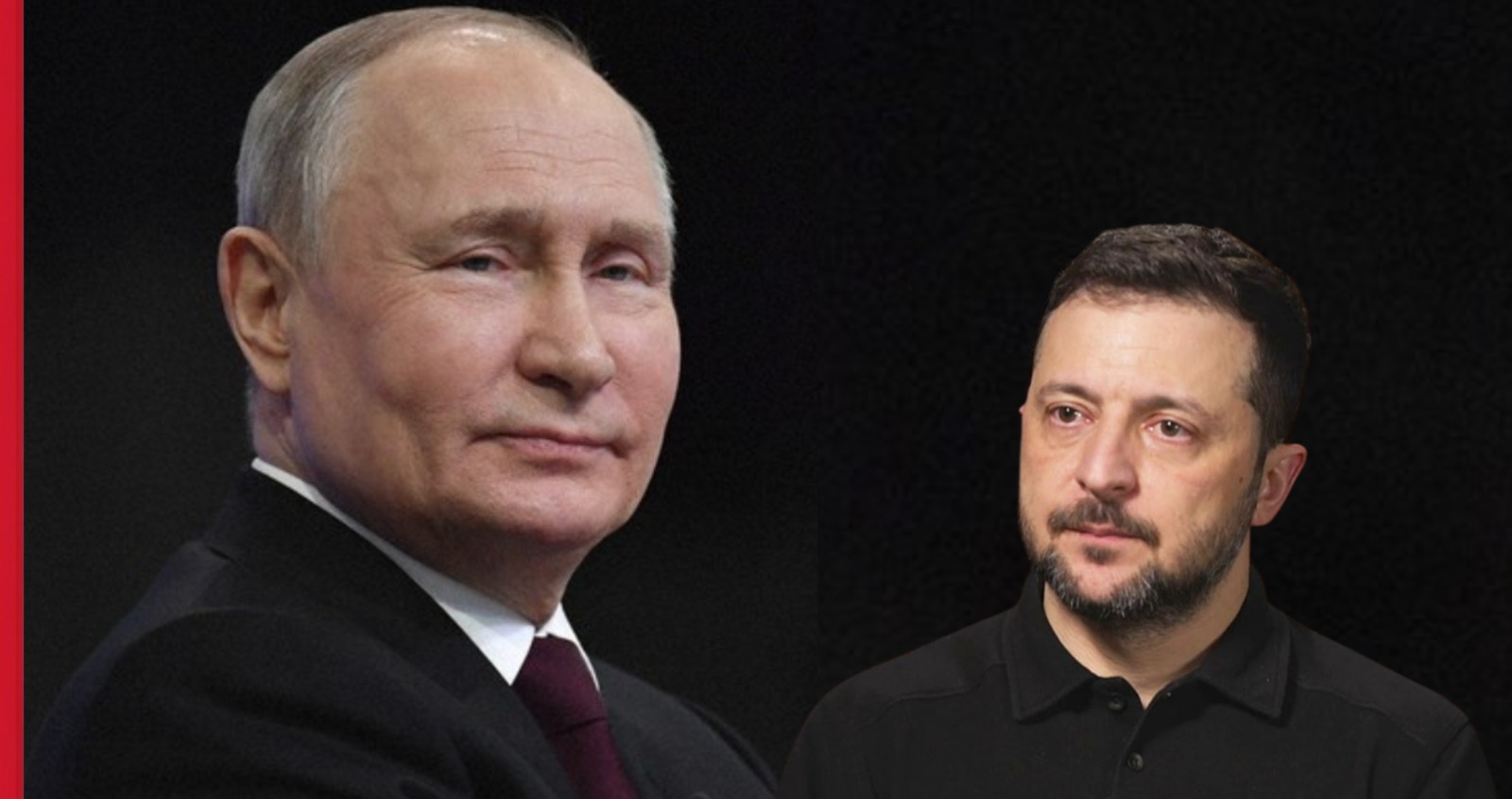
Uncertainty Over Patriot Production Licence
Zelenskyy is seeking additional Patriot interceptors from the United States, while also trying to secure permission to manufacture the systems domestically in Ukraine.
On July 8, U.S. President Donald Trump said Washington would give Ukraine the right to manufacture Patriot missiles and provide assistance with their production. However, on July 31, Trump said that no final agreement had been reached on the issue.
Zelenskyy said Ukraine currently does not even have 5% of the interceptors it needs, describing the lack of approval for domestic Patriot production as one of the biggest challenges he has faced since the beginning of the war.
He further argued that if the United States supplied Ukraine with just 5% of the interceptors it needs, the country could get through the winter and save many lives. He said a 10% supply could significantly strengthen Ukraine’s ability to defend against Russia’s ballistic missiles.
Russia-Ukraine War Becomes a Battle of Endurance
Meanwhile, the prolonged conflict between Russia and Ukraine is increasingly becoming a battle of endurance, with both sides seeking to weaken the other’s ability to continue fighting.
Ukraine has intensified strikes deep inside Russia, targeting oil refineries, supply networks and military production facilities. Russia, meanwhile, has increased missile attacks against Ukrainian cities and critical infrastructure.
According to reports, Ukraine’s shortage of air-defence interceptors has become so severe that during a recent major Russian missile barrage, Ukrainian forces were reportedly unable to intercept any of the incoming missiles.
According to United Nations data, July was the deadliest month for Ukrainian civilians since Russia launched its full-scale invasion in 2022. At least 440 people were killed across Ukraine in Russian attacks during the month.
Interceptor Shortages Worldwide
Zelenskyy is seeking international assistance to secure additional interceptors. However, air-defence interceptors are in limited supply globally, while production remains slower than demand.
At the same time, the United States has used a significant portion of its own interceptor stockpiles during military conflicts in the Middle East, further complicating efforts to rapidly supply Ukraine with additional air-defence systems.
“I am doing this every day—from 1% to 5%. I have a few months, and I’m making millions of phone calls,” Zelenskyy said. He added that Ukraine was pursuing various diplomatic efforts to obtain missiles, some of which he could not disclose publicly.
The growing shortage of air-defence interceptors in Ukraine, combined with Russia’s increasing use of ballistic missiles, is raising fresh concerns about the protection of Ukrainian civilians and critical infrastructure as the country prepares for another winter of war.