U.S. Intelligence Could Not Verify Israeli Warnings of Iranian Plots to Assassinate President Donald Trump — Reuters
Washington | August 14, 2026 | The Global Journal
U.S. intelligence agencies were unable to independently verify several warnings received from Israel concerning alleged Iranian plots to assassinate President Donald Trump, Reuters reported. Citing current and former U.S. officials, the report said some of the intelligence was assessed by U.S. agencies as “low confidence.”
According to the report, Israeli intelligence agencies warned the United States over the past year through formal intelligence channels about potential attempts targeting Trump. The warnings reportedly included alleged plans for sniper attacks, knife attacks at public events and other attempts on the president’s life. In some cases, senior Israeli officials also directly briefed top White House officials.
Warning of an Assassination Attempt Ahead of NATO Summit
One of the most detailed warnings came ahead of the NATO summit in Turkey. Israeli officials reportedly warned the White House that Iran could attempt to assassinate Trump during his visit to Turkey. The warning reportedly included the possibility of targeting Air Force One with a shoulder-fired missile.
However, according to U.S. officials cited by Reuters, American intelligence agencies found no independent evidence confirming the specific threat.
A Turkish official also told Reuters that Turkey’s intelligence services found no evidence supporting the alleged threat and shared their assessment with U.S. authorities.
Trump Was Secretly Switched to Another Aircraft
Despite the lack of independent verification, the White House and U.S. Secret Service took additional security precautions during Trump’s trip.
As part of the security measures, Trump was secretly transferred from Air Force One to another military aircraft after leaving Turkey. The operation was not publicly disclosed at the time.
Trump later confirmed the aircraft switch, saying he followed instructions from the Secret Service and the military to travel on a different flight and aircraft.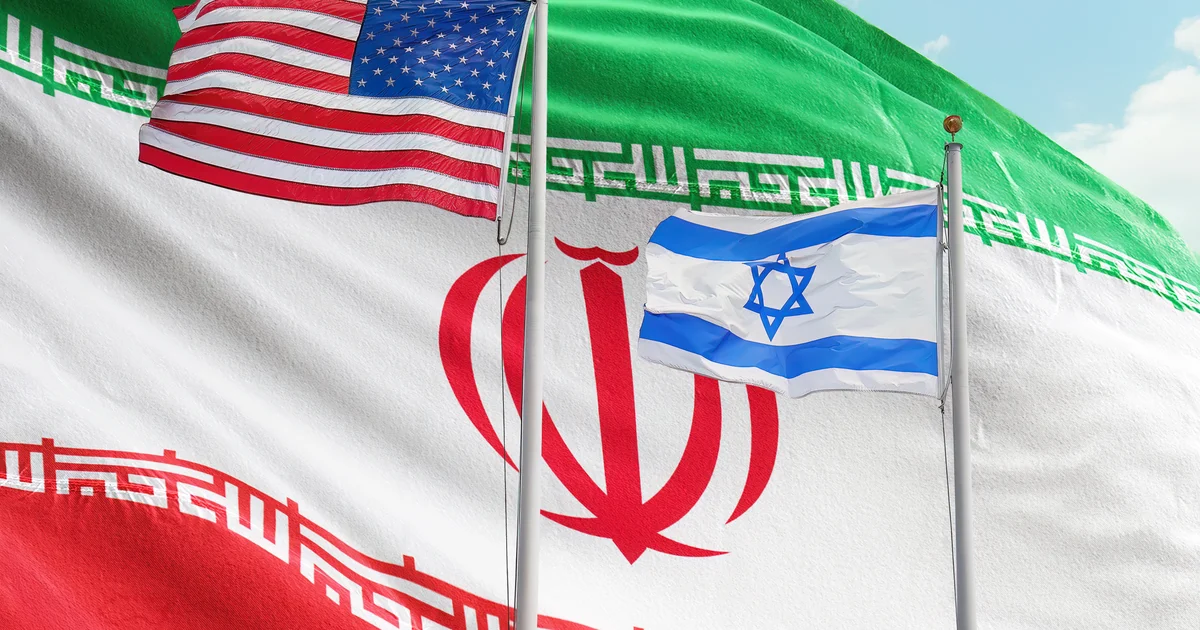
Concerns Over Iranian Retaliation for Soleimani Killing
U.S. intelligence agencies have long assessed that Iran may seek retaliation against Trump over his 2020 order to kill Iranian military commander Qassem Soleimani.
However, Reuters reported that the CIA has been unable to independently verify several specific assassination threats attributed to Iranian intelligence since early last year.
U.S.-Israeli Differences Over Iran’s Nuclear Programme
Differences between U.S. and Israeli intelligence assessments regarding Iran are not new. Earlier this year, U.S. intelligence agencies assessed that Iran was not actively developing a nuclear weapon. Israel, however, continued to regard Tehran as a serious and urgent threat.
Reuters reported that Israeli intelligence has played an important role in the Trump administration’s Iran policy, while U.S. agencies have also faced limitations in independently verifying some Israeli intelligence.
How Does the U.S. Assess Israeli Intelligence?
According to officials cited by Reuters, Israeli intelligence is generally transmitted through formal channels to agencies including the CIA and National Security Agency (NSA).
The information is then assessed alongside intelligence from other sources. However, U.S. agencies are not always able to independently verify Israeli intelligence. In such cases, analysts assign different levels of confidence to the information based on its reliability and supporting evidence.
Senior Israeli officials have also reportedly briefed senior Trump administration officials directly on alleged Iranian threats during meetings, including in the White House Situation Room.
Tensions Within the U.S. Intelligence Community
The Reuters report also highlighted internal tensions within the U.S. intelligence community.
Citing former officials, Reuters reported that coordination and intelligence sharing between the CIA and the National Intelligence Council (NIC) declined last year amid growing tensions between the agencies.
The NIC is the U.S. intelligence community’s principal analytical body and operates under the Office of the Director of National Intelligence (ODNI).
According to officials, reduced coordination may have limited opportunities for broader, cross-agency assessments of intelligence claims concerning Iran and other major issues.
The White House and CIA declined to comment on the Reuters report. A spokesperson for the Israeli Embassy rejected claims that Israel had used intelligence sharing to influence U.S. policy. The U.S. Secret Service, meanwhile, said it continually evaluates information from multiple sources to guide protective operations for the president.
The revelations come as U.S. and Israeli intelligence assessments of Iran, military policy toward Tehran and security measures surrounding President Trump face renewed scrutiny. However, the full extent and credibility of the alleged Iranian assassination plots against Trump remain unclear and have not been publicly established.