U.S. Senate Passes Bill Paving the Way for 100% Tariffs on Five Countries, Including India and China, Over Russian Energy Purchases
Washington | August 8, 2026 | The Global Journal
The U.S. Senate has passed a major sanctions bill aimed at imposing economic pressure on countries that import large quantities of energy from Russia. If enacted, the bill would give the U.S. president the authority to impose tariffs of up to 100% on goods from major buyers of Russian oil and gas.
The “Lindsey O. Graham Sanctioning Russia and Iran Act of 2026” passed the Senate on Friday by a vote of 86–11. The legislation seeks to reduce Russia’s energy revenues and restrict Moscow’s ability to finance the war in Ukraine, while also strengthening existing sanctions on Iran.
Under the bill’s key provisions, the U.S. president could impose tariffs of up to 100% on imports from the five largest buyers of Russian crude oil or natural gas. However, the tariffs would not take effect automatically. They could be imposed only after the legislation completes the legislative process and becomes law, subject to a presidential decision.
India and China Among Five Countries at Risk
India and China are among the countries potentially most exposed under the proposed legislation. European countries that remain dependent on Russian energy could also face consequences. Various reports have identified India, China, Azerbaijan, Hungary, and Slovakia as potential countries that could be affected.
U.S. lawmakers argue that imposing economic pressure on countries purchasing Russian energy could reduce Moscow’s revenue and weaken its ability to finance the war in Ukraine.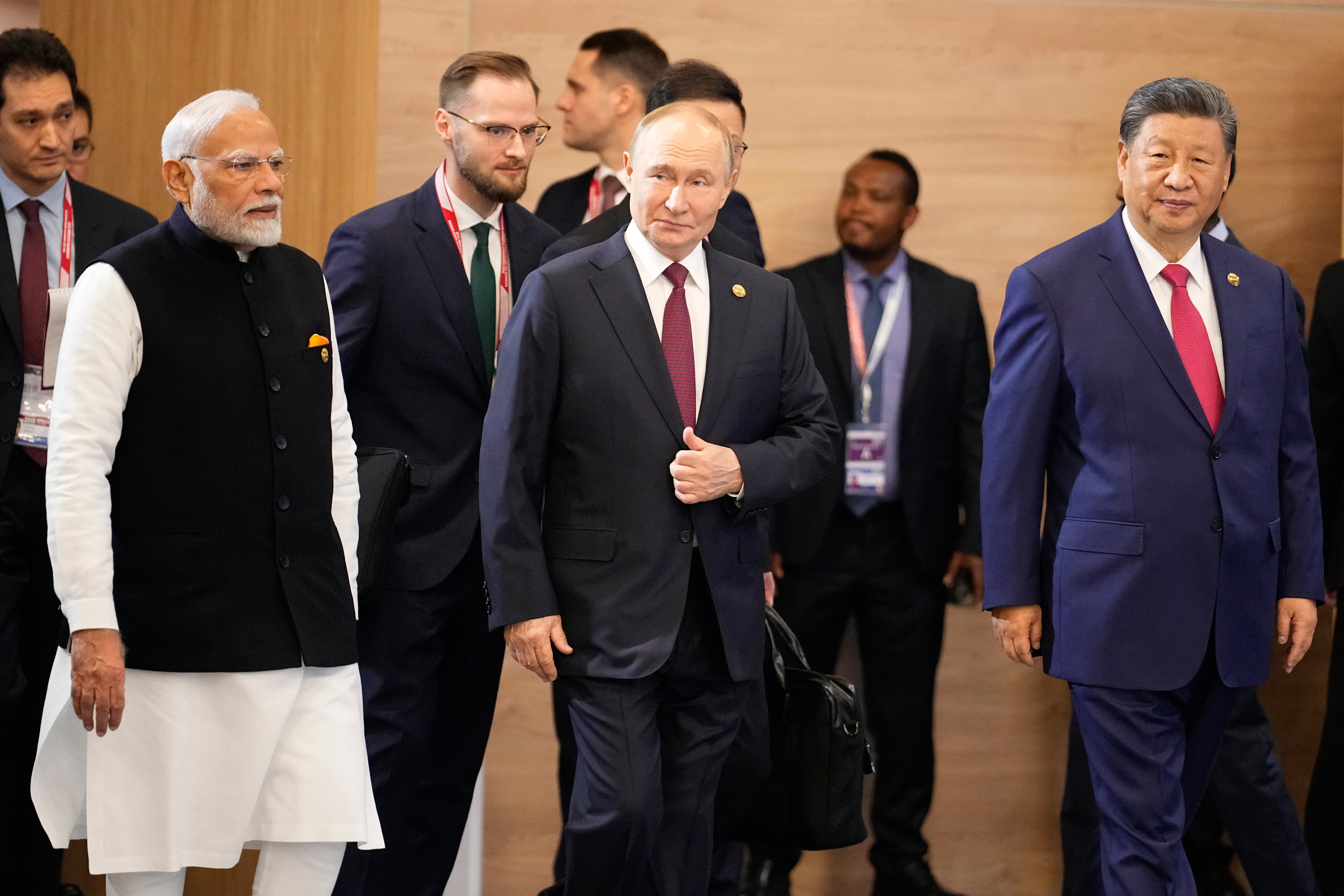
Bill Named After Lindsey Graham
The bill’s principal sponsor was the late Republican Senator Lindsey O. Graham. He died at the age of 71 on July 11, 2026, following a sudden illness. The legislation was subsequently named in his honor.
Following the Senate vote, Democratic Senator Richard Blumenthal said Graham would have been extremely proud of the bill’s progress. He described the legislation as an important step against Russia’s war financing.
Bill Now Heads to the House
Following Senate approval, the bill is now awaiting consideration by the U.S. House of Representatives. If approved there, it would be sent to the president for signature. Once signed into law, the proposed tariffs and sanctions could be implemented under its provisions.
Additional Sanctions on Russia and Iran
The bill includes more than potential tariffs on buyers of Russian energy. It also contains provisions targeting Russian officials, oligarchs, banks and financial institutions, and Russia’s “shadow fleet.” It also includes measures to maintain sanctions on Iran’s energy and weapons sectors.
If ultimately enacted, the Senate’s decision could place new pressure on U.S.-India trade relations, India’s energy trade with Russia, and global energy markets. However, the bill has not yet become law, and any final decision to impose tariffs will depend on the remaining legislative process and subsequent action by the U.S. president.