We are fully prepared to respond to US sanctions and economic pressure — Islamic Republic of Iran
Tehran | August 25, 2026 | The Global Journal
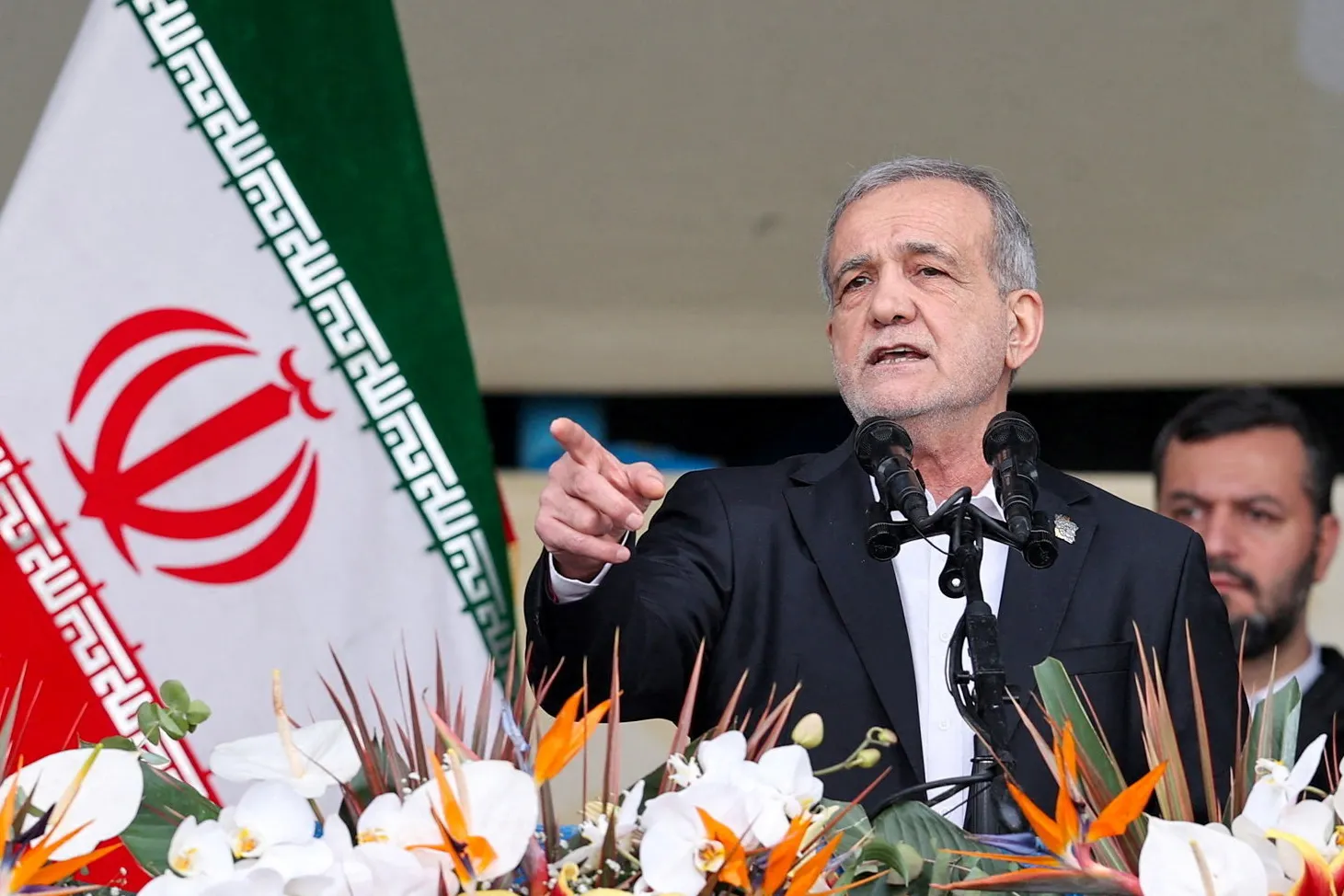
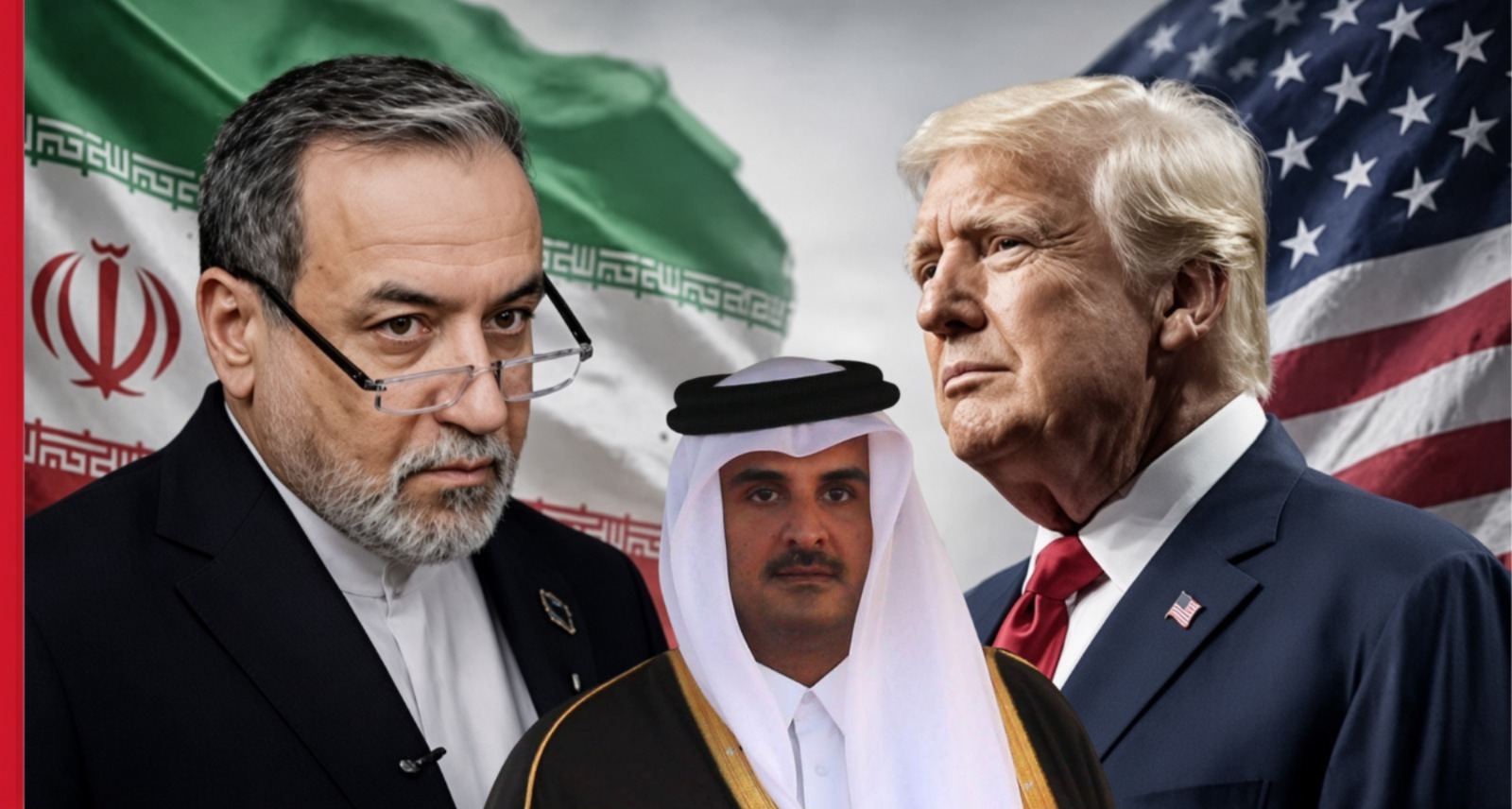
Iran has vowed to retaliate against the United States after Washington announced a new wave of broad economic sanctions against Tehran. Iranian Finance Minister Ali Madanizadeh said Iran is fully prepared to confront the new U.S. pressure, while Tehran maintains that its major trading partners will not bow to Washington’s demands.
According to Reuters, U.S. Treasury Secretary Scott Bessent announced new measures against Iran on Monday. Washington said the measures would target key sources of Iran’s economy and warned that countries continuing to trade with Tehran could face restrictions within the dollar-based global financial system.
The U.S. Treasury has imposed sanctions on around 60 individuals, entities and vessels. The measures target networks allegedly supporting Iran’s missile and nuclear programs, as well as parts of its energy and shipping sectors.
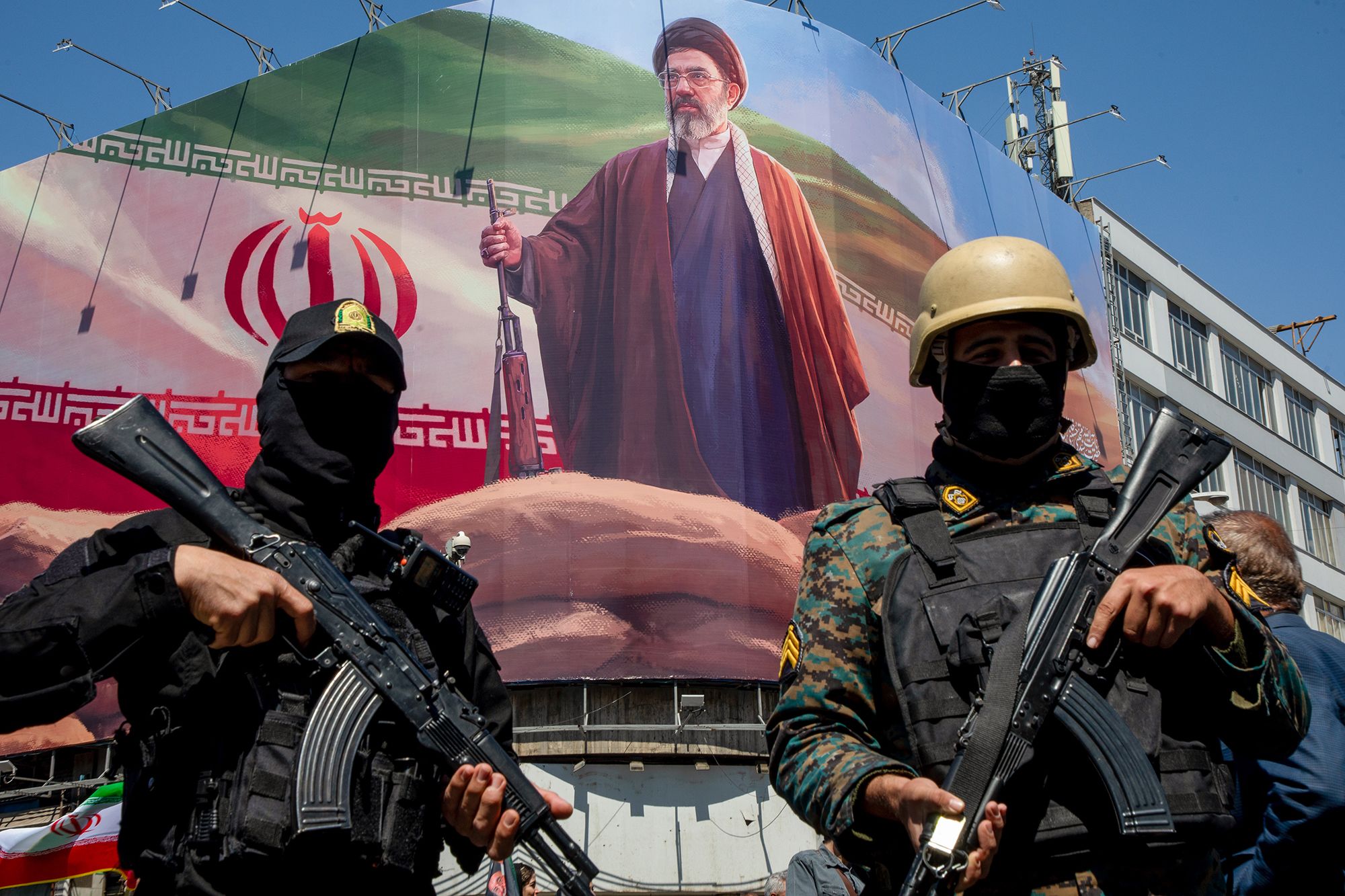
‘We Are Fully Prepared for the Sanctions’
Iranian Finance Minister Ali Madanizadeh told state television that Tehran was fully prepared for the latest U.S. sanctions.
He said the United States had been applying economic pressure against Iran for years and that Tehran had gained extensive experience in dealing with such measures. According to Madanizadeh, Iran’s ability to respond economically and defensively is no longer limited to a purely defensive posture.
He also claimed that China and Russia do not support the U.S. sanctions policy and expressed hope that other countries would take a similar position. Reuters reported that China has also said its legitimate trade relations with Iran would continue.
Washington Expands Economic Pressure
The new U.S. sanctions are not limited to Iranian entities. Countries and companies that continue doing business with Iran could also face the risk of secondary sanctions.
According to Reuters, the latest measures target networks linked to digital assets, technology, gold, aviation, shipping and Iranian oil trading. Not all potential punitive measures have been implemented immediately, giving affected countries and entities time to adjust their policies.
Iran Warns of Possible Retaliation
Before the latest sanctions were announced, Iran had warned that increased U.S. economic pressure could trigger a military response and that Tehran could further restrict oil exports from the Gulf region.
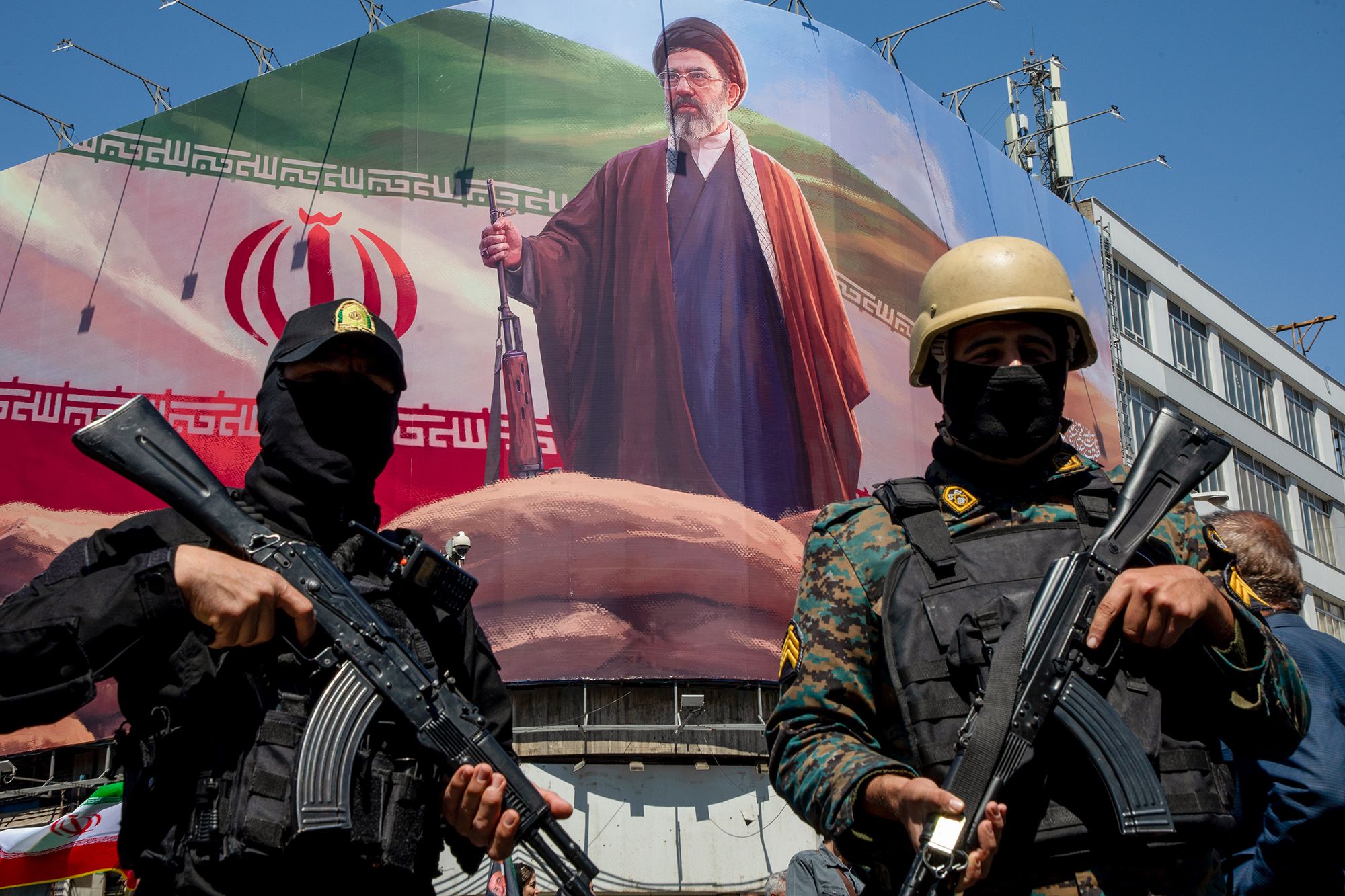
Iranian military officials have also warned that any direct threat to Iran’s infrastructure or security interests could put important U.S. interests and key regional energy routes at risk.
Reuters has reported that Iran remains under significant economic and military pressure nearly six months into the war. At the same time, disruptions to oil transportation through the Strait of Hormuz have affected global energy markets.
Strait of Hormuz Remains a Key Flashpoint
The Strait of Hormuz remains one of the most important strategic issues in the current crisis. Before the conflict, large volumes of global oil and liquefied natural gas passed through the waterway.
Tensions between Iran and the United States have severely disrupted shipping and energy transportation through the route. Diplomatic efforts to reduce tensions around Hormuz are continuing, while the possibility of renewed talks between Tehran and Washington has not been completely ruled out.
Diplomacy Remains an Option
Despite the heightened tensions following the new sanctions announcement, both Washington and Tehran have continued to leave the door open to diplomacy.
Pakistan has been attempting to facilitate renewed communication between Iran and the United States. Tehran has also indicated that a diplomatic solution remains possible if negotiations are conducted on the basis of respect, justice and dignity.
Global Economic Concerns
Further U.S. sanctions could increase pressure on Iran’s oil exports, shipping sector and international trade. At the same time, any Iranian retaliation that further disrupts the Strait of Hormuz could create additional risks for energy supplies across the Gulf and the wider global economy.
The cycle of U.S. economic pressure and potential Iranian retaliation could therefore have significant implications for Middle East
security, global energy markets and the prospects for future peace negotiations.
Sources: Reuters and relevant government statements.