“You Will Kneel” — Iranian Parliament Speaker Ghalibaf Sends a Strong Message to US Secretary of State Marco Rubio: “You Came to Destroy Iranian Civilization but Returned in Shame”
Tehran, Iran | October 10, 2026 | The Global Journal
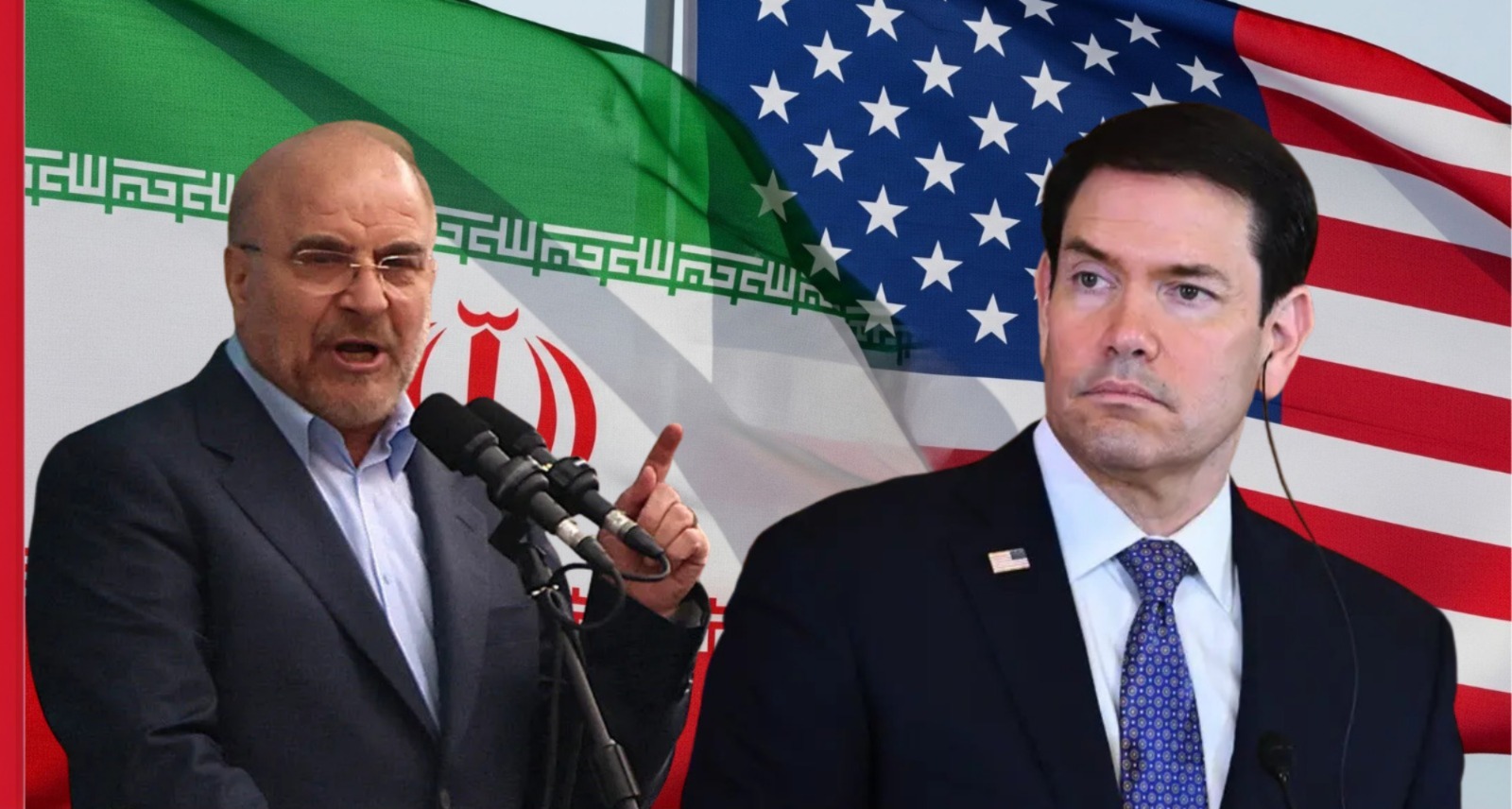
Foreign powers that attempted to destroy Iran’s ancient civilization ultimately faced defeat and humiliation, Iranian Parliament Speaker Mohammad Bagher Ghalibaf has said. Responding to US Secretary of State Marco Rubio’s remarks on Western civilization and dominance, Ghalibaf issued a strongly worded warning directed at Washington. His statement invoked historical examples to deliver a pointed political message to the United States.
According to Iran’s state broadcaster Press TV, Ghalibaf wrote in a post on X that throughout history, Iran had confronted powers that considered themselves masters of the world and sought to wipe out ancient civilizations. Despite their destructive campaigns, those powers eventually returned in dust and shame, he said.
Ghalibaf added that those seeking to follow the legacy of Alexander the Great could meet a fate similar to that of Roman Emperor Valerian. He concluded his message with a warning: “You will kneel.”
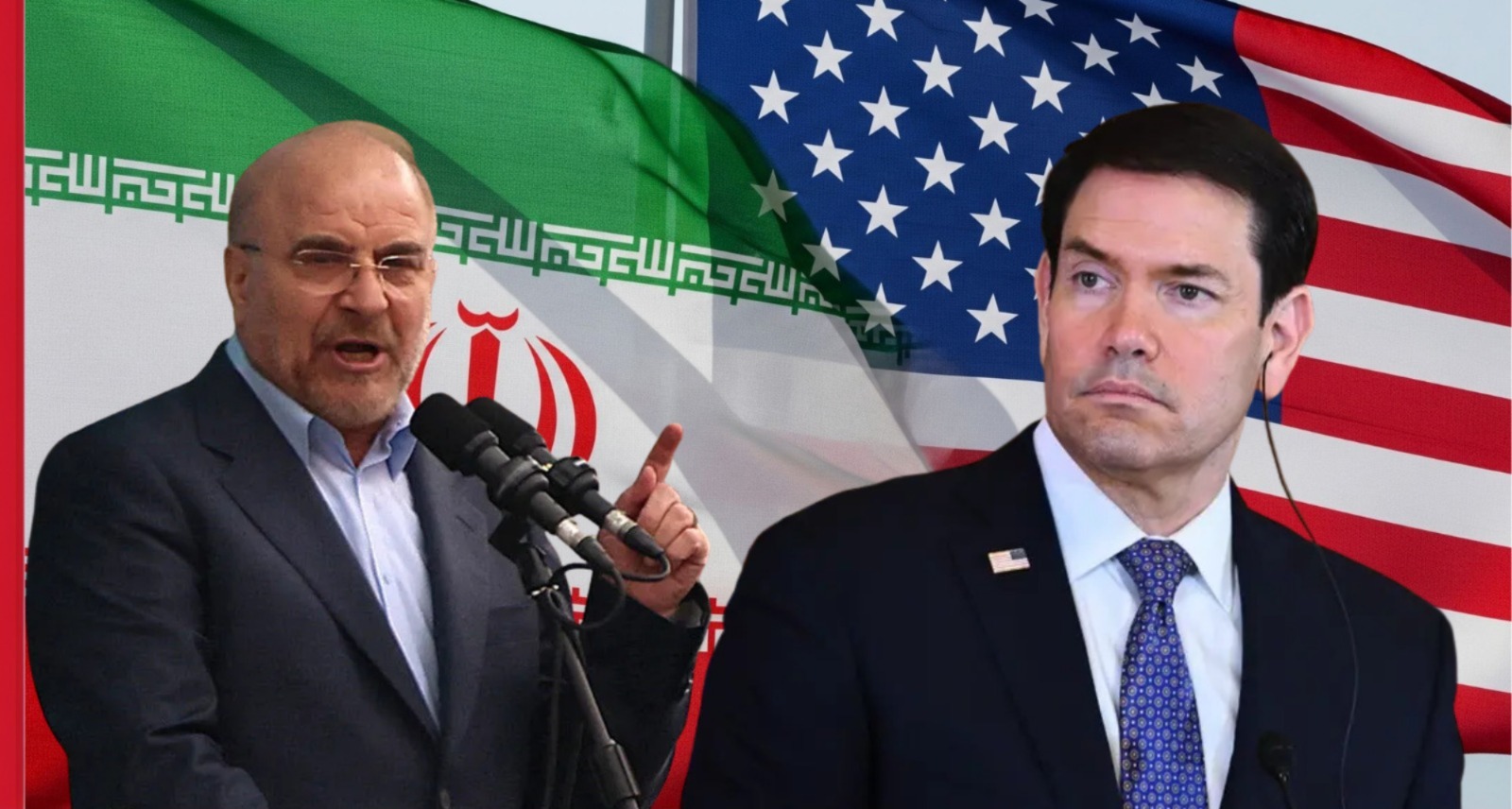
Ghalibaf Responds to Rubio’s Speech in Greece
On October 7, Rubio delivered a speech at the ancient Pnyx site in Athens, Greece, discussing the historical roots of Western civilization, the legacy of ancient Greece and the need for a Western revival. He said Europe could awaken from its long slumber and rekindle the flame that had been lit in ancient Greece thousands of years ago. He also emphasized the importance of protecting Western countries’ national interests, military capabilities and sovereignty.
Ghalibaf’s remarks are being viewed as a political counter-message to the United States, emphasizing Iran’s civilizational history and national dignity. However, he did not explicitly identify which specific part of Rubio’s speech prompted his response.
Why Roman Emperor Valerian Matters
The reference to Roman Emperor Valerian carries particular historical significance. In 260 AD, Valerian was captured by Sasanian Persian King Shapur I following the Battle of Edessa. He is especially notable in Roman history as an emperor taken prisoner by a foreign power during wartime.
Alexander the Great, meanwhile, conquered the Persian Empire in the fourth century BC. By invoking these two historical figures, Ghalibaf drew a comparison between the consequences of past imperial campaigns and what he portrayed as the policies of contemporary Western powers.
The Context of US-Iran Tensions
The United States and Iran have long been at odds over Iran’s nuclear program, regional security, sanctions and military confrontations. Iranian leaders frequently portray US pressure and military threats as challenges to the country’s sovereignty. Washington, meanwhile, frames its regional security and foreign policy positions in terms of its own strategic interests.
Against this backdrop, Ghalibaf’s statement represents another expression of the ongoing political and diplomatic confrontation between the two countries. However, his warning does not establish what specific action, if any, Iran may take against the United States.
Sources: Press TV; Marco Rubio’s October 7, 2026, speech in Athens and related news reports.