
‘I Make Breakfast and Wash the Dishes After Waking Up’ — Japan’s First Female Prime Minister Sanae Takaichi
Tokyo, Japan | October 17, 2026 | The Global Journal
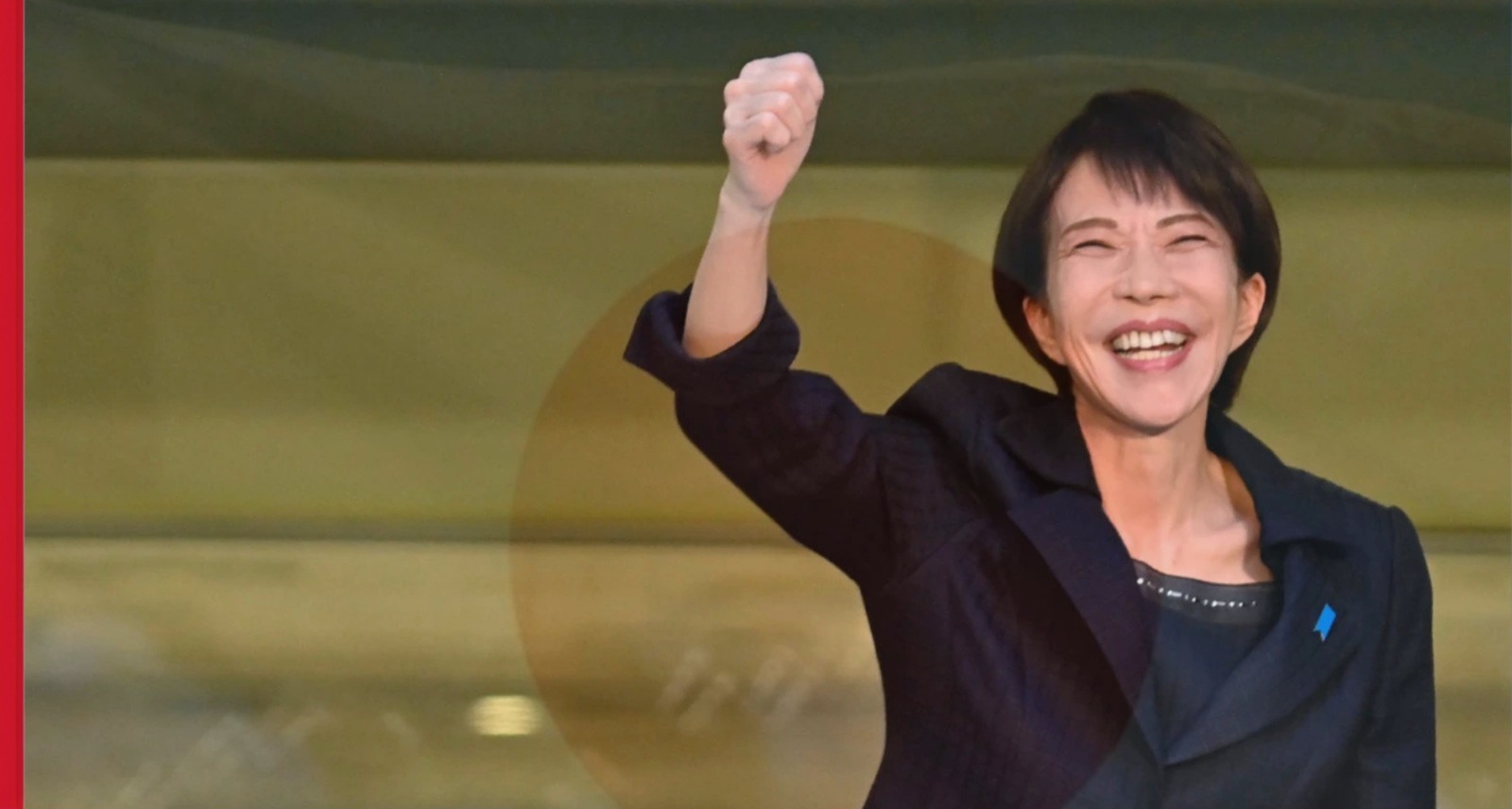
Japan’s first female Prime Minister, Sanae Takaichi, has said that her daily routine—including showering, preparing breakfast, washing dishes and applying makeup—takes an additional three to four hours compared with her male predecessors. Her remarks have sparked renewed discussion in Japan about gender roles, long working hours, and the balance between professional and personal life.
According to NBC News, Takaichi made the comments while speaking in parliament on Wednesday, October 14. Her remarks have brought renewed attention to the challenges of balancing the personal responsibilities of a female head of government with Japan’s demanding political work culture.
What Did Takaichi Say in Parliament?
During her parliamentary remarks, Takaichi described her morning routine, explaining that she showers, prepares breakfast, washes the dishes and applies makeup before turning her attention to official duties. She said these activities mean she spends more time on her daily routine than male prime ministers did.
Alongside her responsibilities as prime minister, Takaichi must answer parliamentary questions, review government documents and prepare for important policy decisions. According to her remarks, the demands of parliamentary business and government work often require her to continue working late into the night.
Debate Over Gender Roles
Takaichi’s comments have prompted discussion about how household responsibilities are divided between men and women. Some critics argue that her remarks reflect a broader social expectation that women should bear a greater share of domestic work and personal-care responsibilities.
Many working women manage professional duties alongside childcare and caring for elderly family members. Takaichi’s comments have therefore prompted comparisons between the experiences of women in senior political positions and the everyday challenges faced by working women across society.
The debate, however, extends beyond individual time management. Japan’s long-hours work culture and the unequal distribution of household responsibilities have both emerged as important issues in the discussion.
Concerns Over Sleep and Long Working Hours
Takaichi has previously said that her demanding schedule leaves her sleeping only two to four hours a night, according to reports. Her long working hours and limited sleep have also raised concerns.
Critics argue that presenting extended working hours as essential to political success could send a negative message about work-life balance. At the same time, the demanding responsibilities of Japan’s prime minister, including parliamentary proceedings and government decision-making, are important context for understanding her schedule.
Proposal to Reduce Parliamentary Working Hours
Fumitake Fujita, leader of the Japan Innovation Party, has questioned the length of parliamentary sessions and the demands placed on the prime minister’s schedule. His remarks have highlighted the need to consider whether parliamentary proceedings could be organised more efficiently.
According to reports, Fujita cited a study indicating that Japan’s prime minister attended parliamentary sessions on 72 days in 2022, compared with 50 days for the British prime minister and 13 days for the German chancellor.
Fujita argued that Japan’s extensive parliamentary schedule should be reviewed. Proposals such as hiring a chef and domestic staff at the prime minister’s residence have also been discussed as possible ways to free up more time for official duties. However, there is no confirmed information that these proposals have been implemented.
Agriculture Minister’s Resignation Adds to Political Pressure
Meanwhile, Japan’s Agriculture Minister Kazuo Yana has resigned following controversy over his remarks, according to Reuters. Criticism arose over comments concerning road funds allocated to municipalities. Reports described him as the first minister to resign from Takaichi’s cabinet.
The resignation has added to the political pressure on the government. Discussions about the prime minister’s working hours, parliamentary procedures and administrative efficiency have also gained renewed attention in Japan’s political arena.
Work-Life Balance at the Centre of the Debate
Takaichi’s remarks have brought broader questions about Japan’s political work culture and women’s domestic responsibilities into focus. On one hand, the prime minister faces substantial official duties and parliamentary demands; on the other, the distribution of everyday household responsibilities remains an important social issue.
Overall, Japan’s first female prime minister Sanae Takaichi’s comments have become more than a description of her morning routine. They have renewed discussion about long working hours, gender-based social expectations and the challenges of balancing professional responsibilities with personal life in Japan.
Sources: NBC News, Reuters | The Global Journal