Iran Hopes for Progress Toward Nuclear Talks With the US as Tensions Ease
Tehran | 2 February 2026 | The Global Journal
Iran has expressed optimism about progress toward resuming nuclear talks with the United States, aiming to ease long-standing tensions between the two countries. Tehran said it is reviewing various diplomatic proposals put forward by regional countries to normalize relations with Washington and expects a framework for renewed talks to be finalized within the next few days.
On Monday, Iranian officials said that several Middle Eastern countries are acting as mediators to help reduce tensions with the US. Tehran also believes that diplomatic efforts have intensified as the risk of military confrontation appears to have somewhat diminished in recent days.
Iran’s Foreign Ministry spokesperson Esmaeil Baghaei said,
“Regional countries are actively playing a mediating role in the exchange of messages. Several important issues have been discussed, and we are reviewing and finalizing each stage of the diplomatic process.”
State news agency IRNA reported that Foreign Minister Abbas Araghchi held telephone conversations with his counterparts in Saudi Arabia, Egypt, and Türkiye to discuss recent tensions and the prospects for renewed negotiations.
Meanwhile, the Fars news agency, citing an unnamed source, reported that Iranian President Masoud Pezeshkian has instructed officials to revive nuclear talks with the United States. According to the report, Iran and the US may hold discussions on the nuclear issue, although no specific timeline has been announced.
Iranian news agency Tasnim also reported that a possible meeting between Foreign Minister Abbas Araghchi and US special envoy Steve Witkoff is being discussed. However, neither Tehran nor Washington has officially confirmed that such a meeting has been scheduled.
A White House official told Reuters that Witkoff is expected to arrive in Israel on Tuesday, where he will meet Israeli Prime Minister Benjamin Netanyahu. These diplomatic moves come at a time when Iran remains wary of a potential US strike, as a US aircraft carrier and fighter jets are deployed in the Indian Ocean.
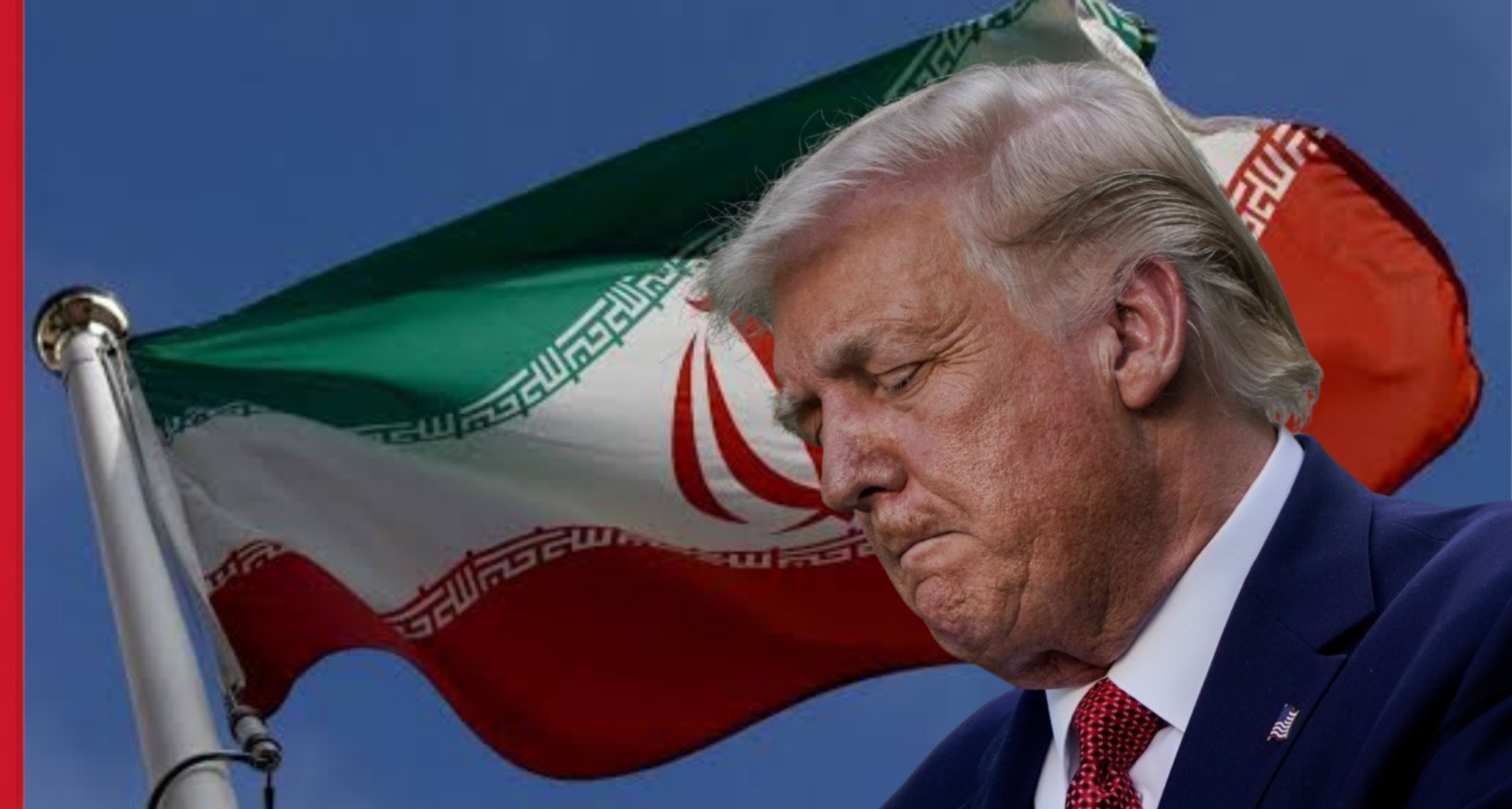
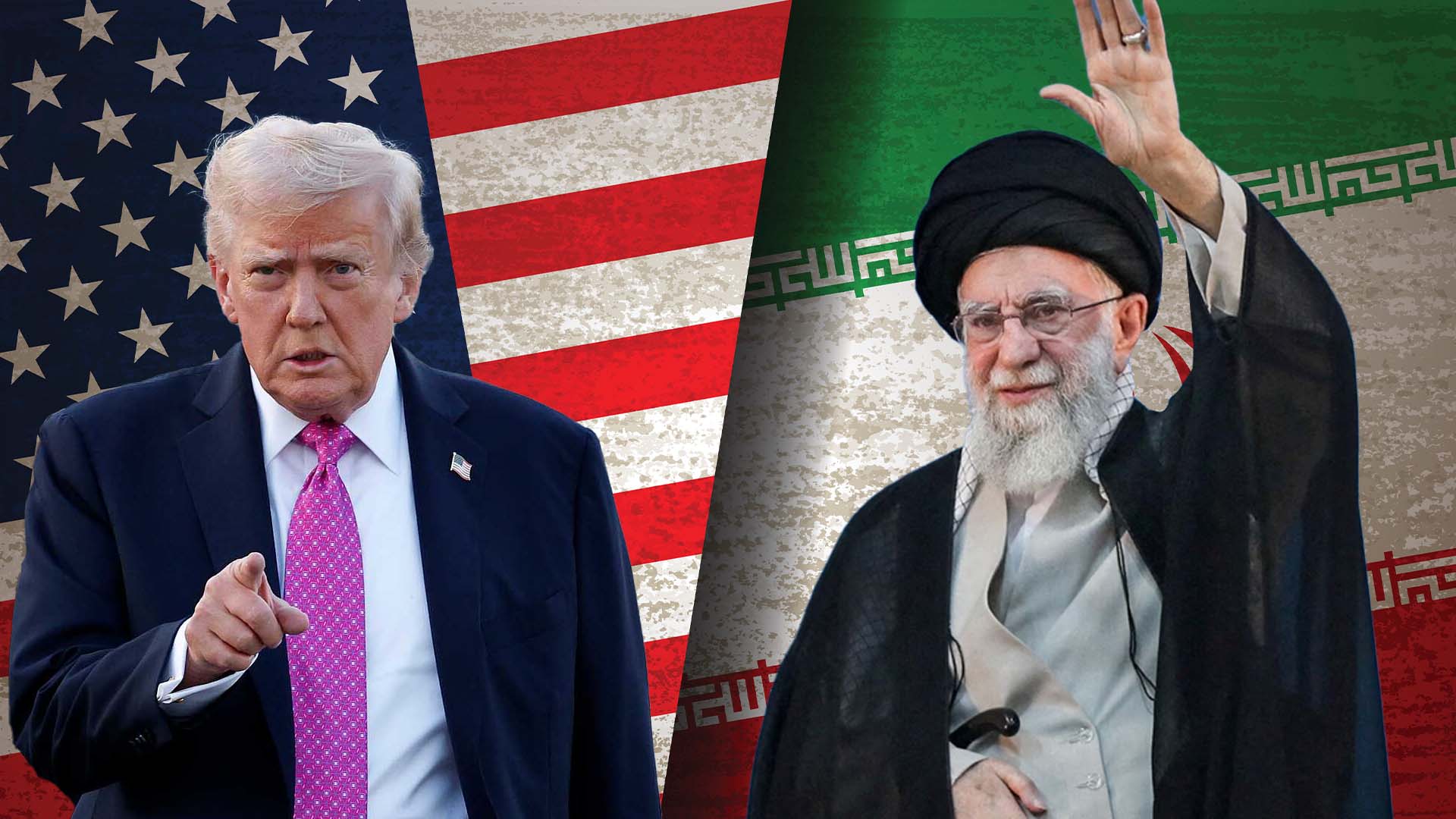
It is worth noting that in January, widespread protests erupted across Iran due to economic hardship and the collapse of the national currency, later evolving into an anti-government movement. Thousands were reportedly killed during the unrest, prompting a strong reaction from the United States. President Donald Trump responded by deploying warships to the Middle East, though he later shifted his stance toward pursuing a nuclear deal rather than military pressure.
The United States and the European Union have accused Iran of seeking the capability to develop nuclear weapons. Tehran, however, has consistently maintained that its nuclear program is entirely peaceful and intended for civilian purposes.
Iranian sources told Reuters that the US has set conditions for the resumption of talks, including demands that Iran halt uranium enrichment, limit its missile program, and withdraw support for allied armed groups in the region. While Iran has previously shown flexibility on the nuclear file, it has long considered missile development and regional alliances to be non-negotiable.
Analysts say the key question now is whether Iran will shift its position, given its urgent need for sanctions relief to revive the economy and prevent future unrest.
Amid these developments, the European Union recently designated Iran’s Islamic Revolutionary Guard Corps (IRGC) as a “terrorist organization.” In response, Iran has summoned all EU envoys in recent days and said it is considering possible retaliatory measures.