Is Indonesia’s Participation in President Trump’s ‘Board of Peace’ a Strategic Move or a Diplomatic Risk?
Jakarta, Indonesia | February 17, 2026 | The Global Journal
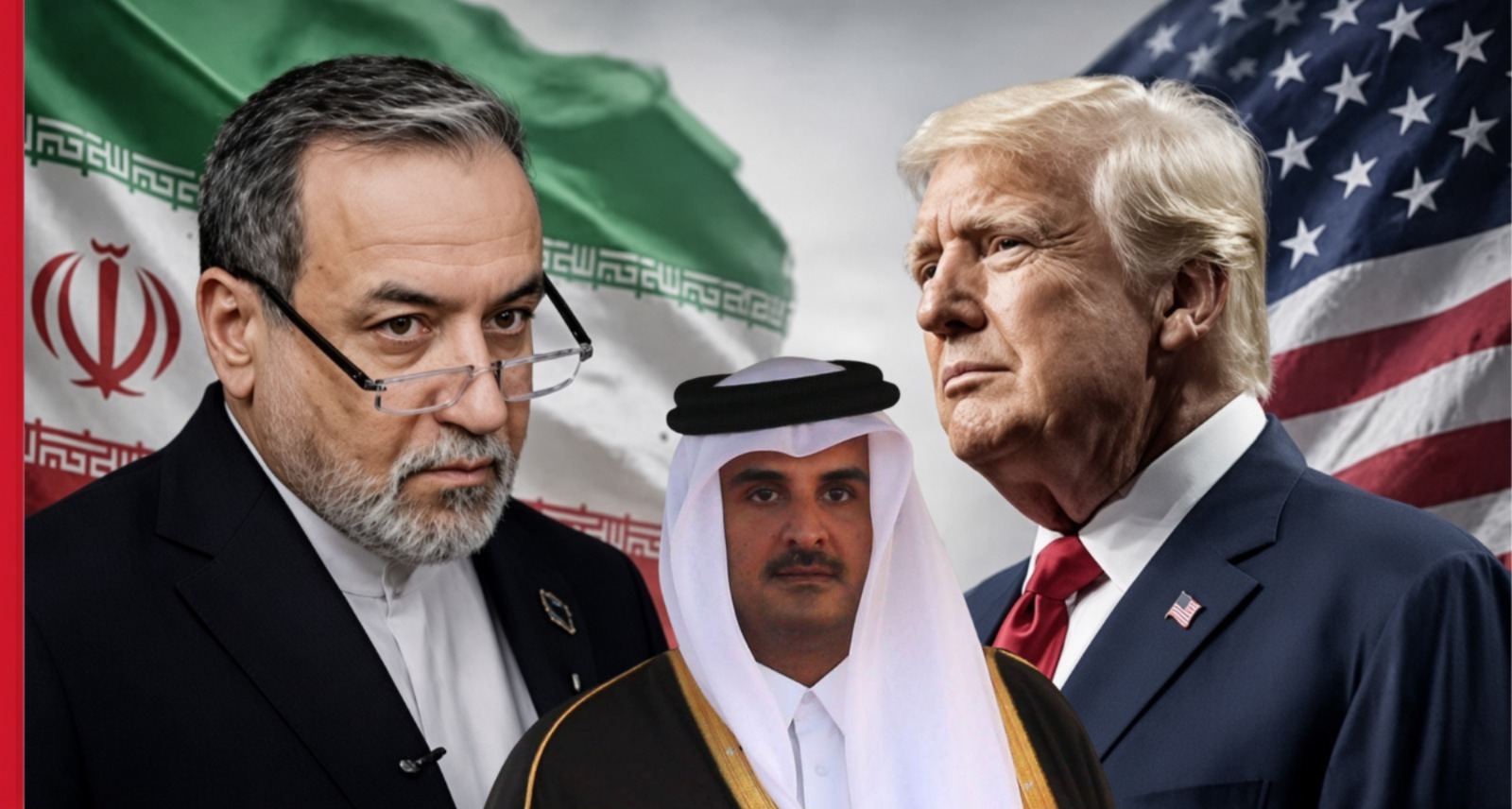
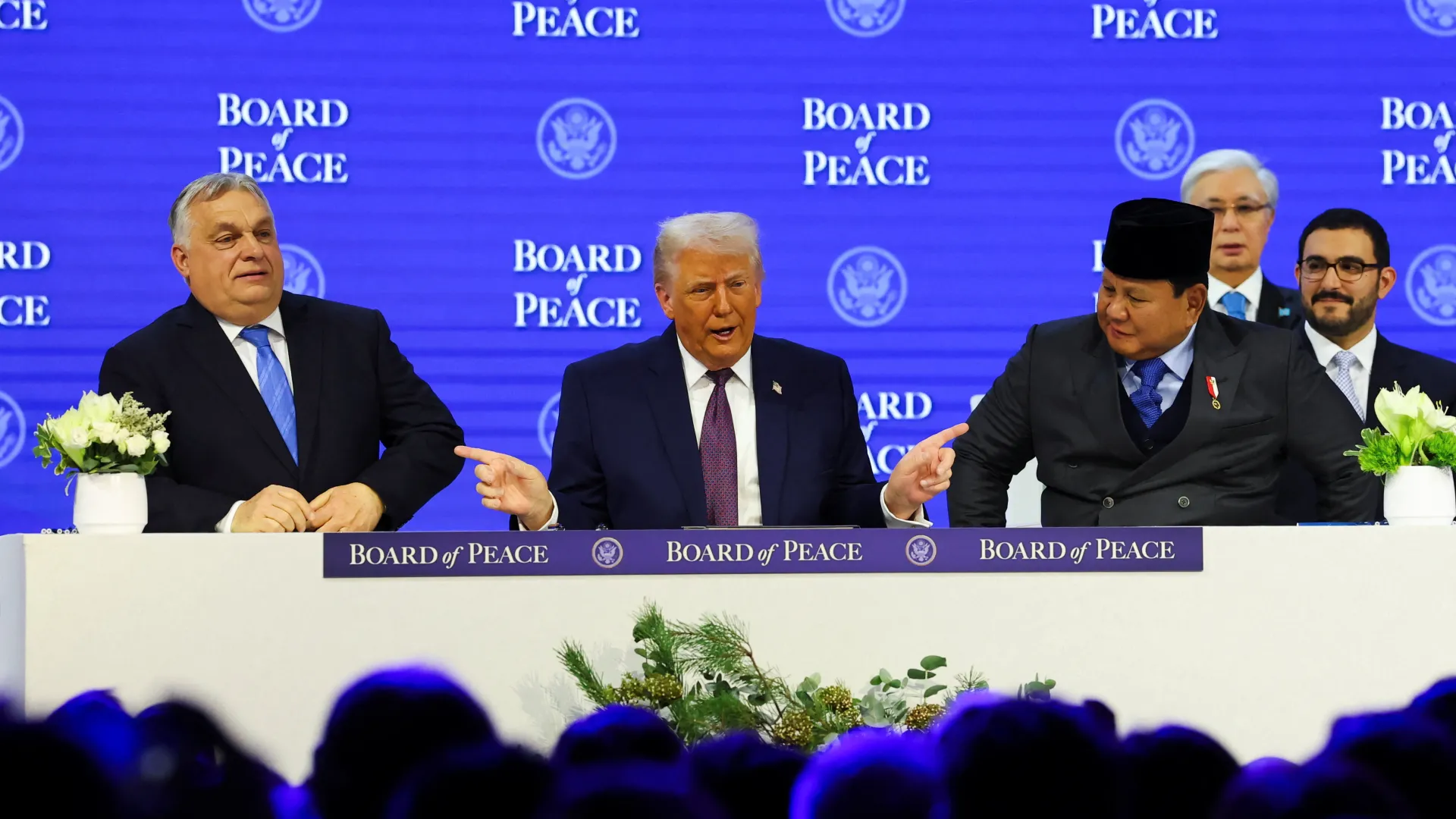
According to a report by Al Jazeera, the Indonesian government has confirmed that it is preparing to deploy up to 8,000 troops to a proposed multinational Gaza stabilization force. The administration of President Prabowo Subianto stated that the deployment is being considered under the framework of the so-called Board of Peace (BoP), an initiative announced by Donald Trump.
Government sources describe the decision as a significant shift in Indonesia’s foreign policy direction. However, some analysts argue that the move could contradict the country’s long-standing “Free and Active” foreign policy doctrine.
Gaza Mission: A Risky Environment
The proposed deployment area is the Gaza Strip—one of the world’s most volatile and politically sensitive conflict zones. Security experts note that the mission does not fall under a clearly defined and inclusive multilateral mandate like traditional United Nations peacekeeping operations. As a result, deploying thousands of troops could draw Indonesia into a highly complex security environment where maintaining neutrality would be difficult.
Questions Over the ‘Free and Active’ Doctrine
Indonesia’s foreign policy has long been anchored in its “Free and Active” doctrine, rooted in the Djuanda Declaration and the Bandung Conference. Historically, the country has positioned itself as a neutral mediator rather than aligning with personalized geopolitical agendas.
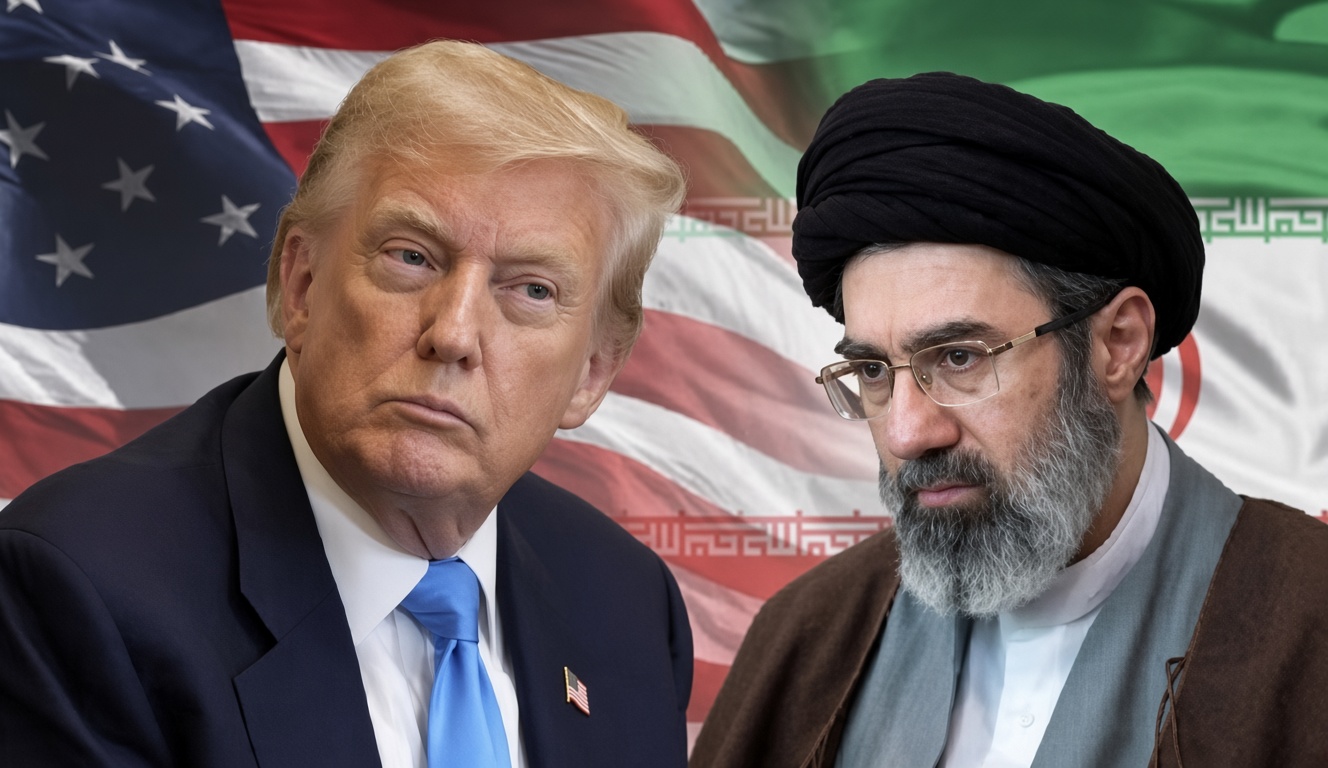
Diplomatic observers warn that participation in a Trump-linked framework could symbolically place Indonesia within a U.S.-centered security orbit. This, they suggest, may affect Jakarta’s strategic balance with China, Russia, and its ASEAN partners.
Moral Tensions Over Palestine
As the world’s largest Muslim-majority nation, Indonesia has consistently supported Palestinian statehood. Critics argue that joining an initiative closely associated with Trump’s Middle East policies could create domestic and international tensions.
In particular, the decision during Trump’s presidency to relocate the U.S. embassy to Jerusalem sparked widespread reactions across the Muslim world. If the BoP framework advances regional normalization without firm guarantees of Palestinian sovereignty, Indonesia could face political and diplomatic pressure.
Strategic and Economic Considerations
Deploying 8,000 troops would effectively amount to a full brigade. Military analysts caution that amid rising tensions in the North Natuna Sea and intensifying competition in the Indo-Pacific, committing a large force to the Middle East could affect Indonesia’s core defense priorities.
The financial burden of a long-term overseas deployment is also significant. Logistical, supply, and infrastructure costs could place additional strain on the national budget. Civil society groups have raised concerns about the lack of broad parliamentary oversight and public debate surrounding such a major decision.
Reputational Risks Ahead
U.S. domestic politics remain deeply polarized. Should future administrations in Washington reconsider or distance themselves from Trump-era initiatives, Indonesia could find itself diplomatically exposed due to its involvement in a politically sensitive project.
Observers say Jakarta now faces a defining question: Is this move a calculated advancement of national interests, or a high-risk geopolitical gamble?
— The Global Journal