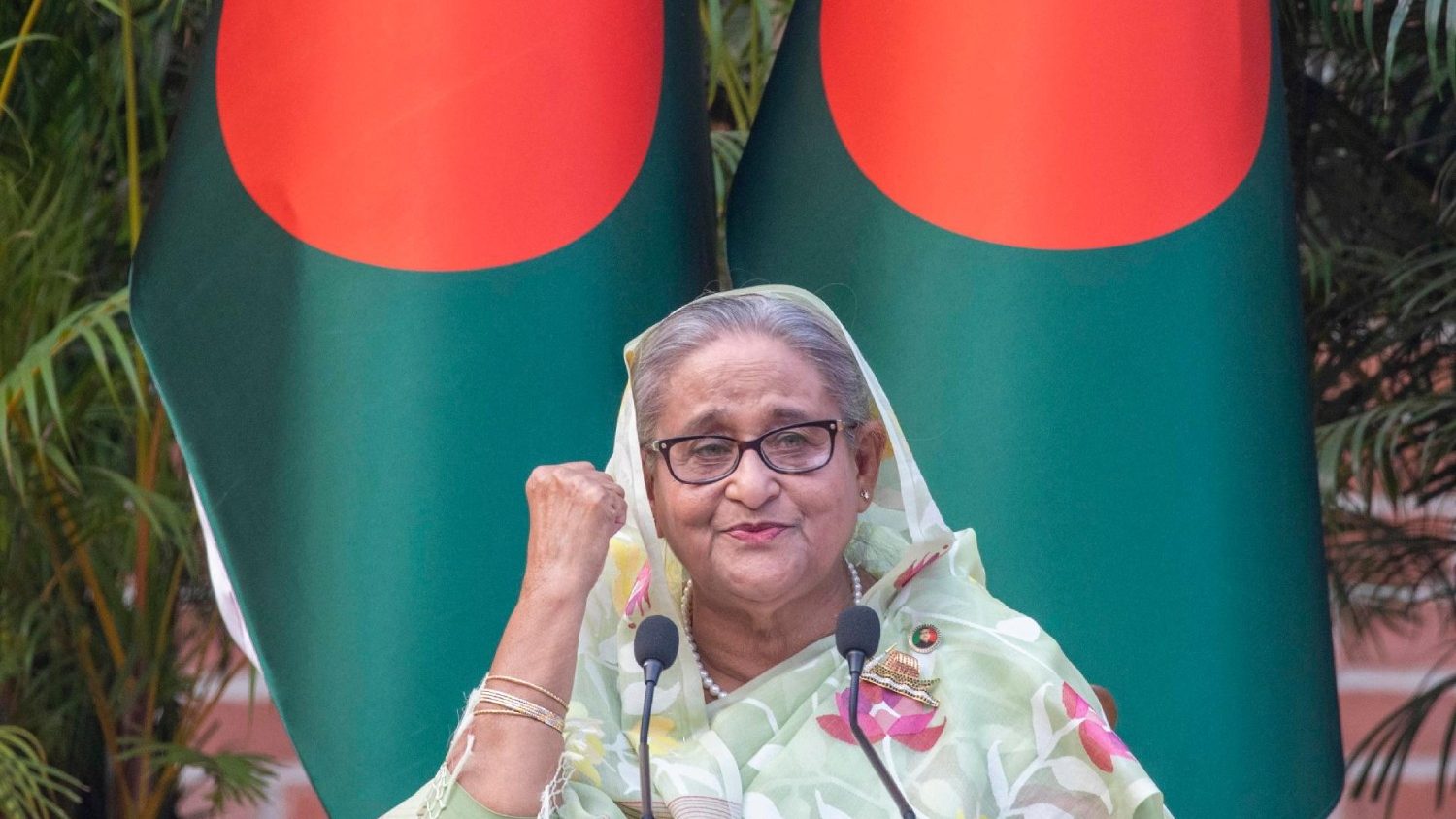

Fears of renewed political crisis in Dhaka as the 77-year-old Awami League—leader of Bangladesh’s independence war—faces a ban.
Dhaka, Bangladesh | April 6, 2026 | The Global Journal
A proposal to ban the 77-year-old political party Bangladesh Awami League—widely known for leading the country’s independence movement—has intensified political tensions across the nation. A special committee of the 13th National Parliament has recommended passing an amended version of an ordinance issued during the interim government period.
Analysts warn that if the proposal is implemented, it would not only halt the political activities of the Awami League but could also open the door to legal action against its leaders and activists. This, they say, may trigger significant instability in the country’s political environment.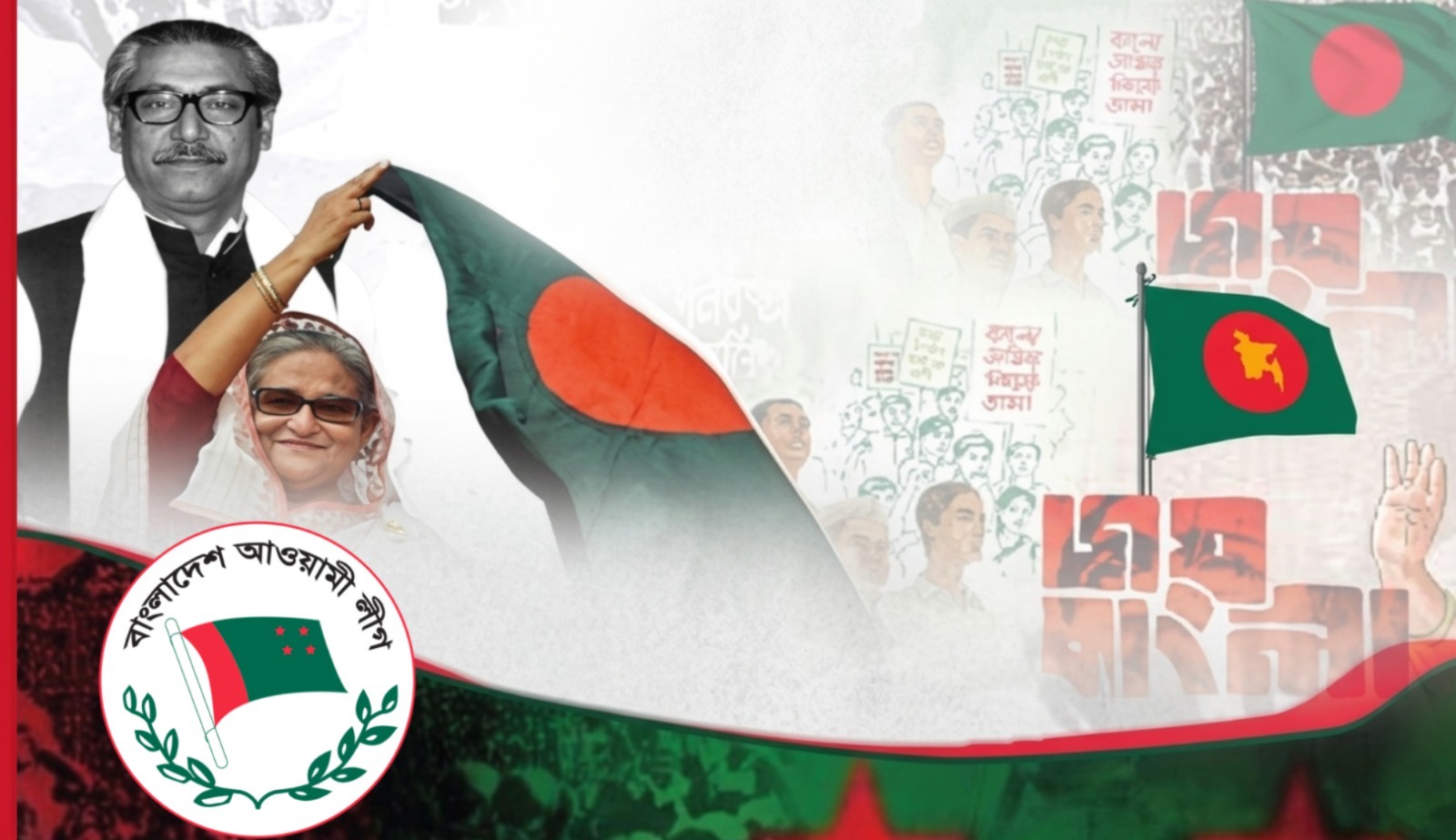
Some political observers believe that banning such a large, historic party could pose a serious challenge to democratic practices. They argue it may limit political competition and risk shrinking freedom of expression.
The Awami League has described the move as politically motivated. In a statement, party spokesperson Mohammad Ali Arafat said opposition forces—particularly the Bangladesh Nationalist Party (BNP)—would bear responsibility for the decision and face its consequences in the future.
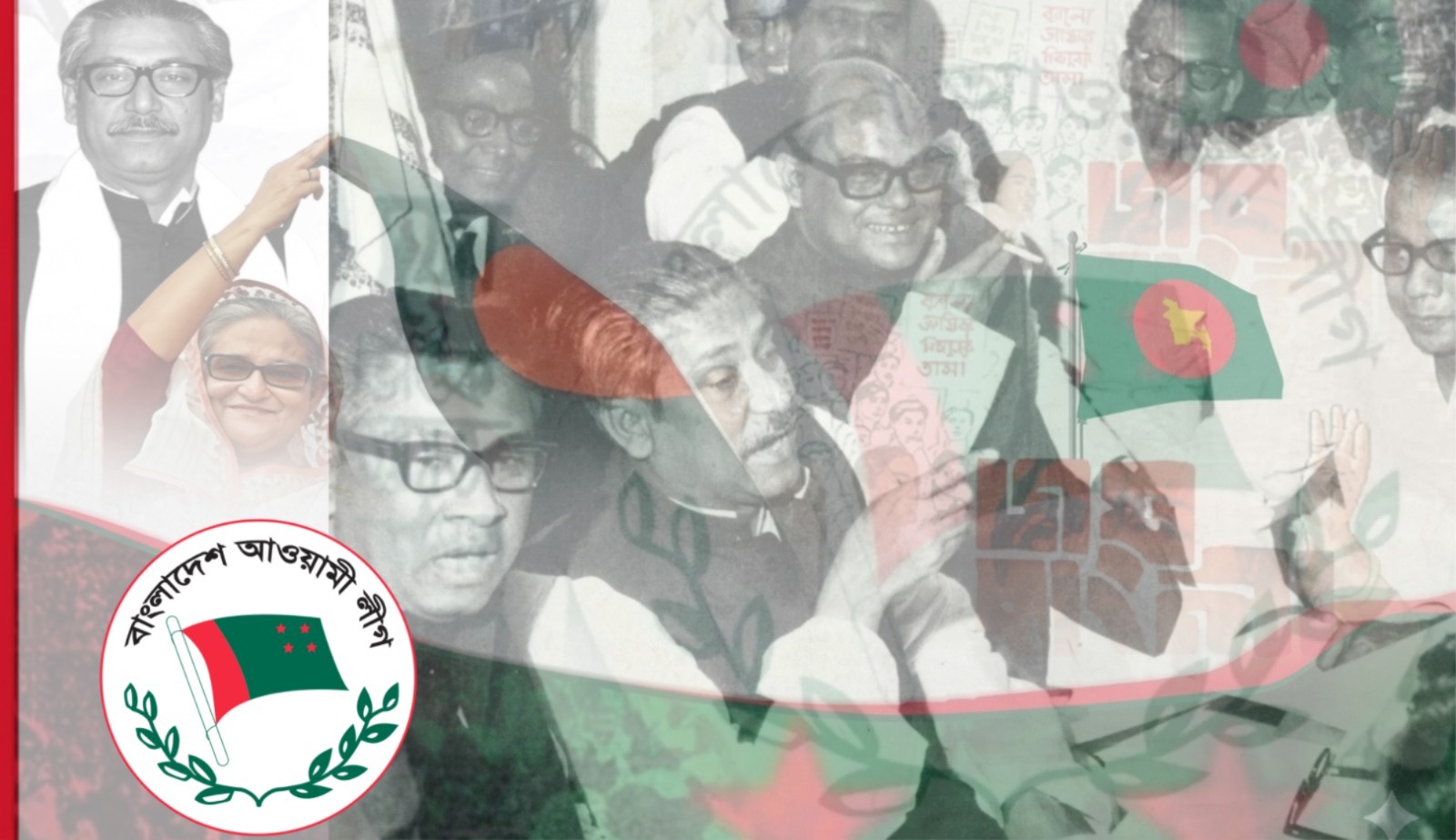
This is not the first time in its 77-year history that the Awami League has faced repression or bans. Historical analysis shows the party has encountered multiple political crises before. Founded in 1949, it is one of South Asia’s oldest political organizations and led the country’s independence movement.
In 1958, less than a decade after its founding, the party was banned during military rule under Ayub Khan. On the night of March 25, 1971, the Pakistani military launched “Operation Searchlight,” carrying out widespread killings in East Pakistan and arresting Bangabandhu Sheikh Mujibur Rahman. The following day, March 26, President Yahya Khan declared the Awami League “treasonous” and imposed a complete ban.
In 2025, under the interim government led by Dr. Yunus, all activities of the Awami League were again banned. After the assassination of Sheikh Mujibur Rahman and his family on August 15, 1975, the party was effectively rendered inactive, and four top leaders were killed in jail. During the early years of Ershad’s military rule (1982–1990), political activities were not formally banned but were tightly controlled. From 2001 to 2006, during the BNP-Jamaat alliance government, Awami League members faced attacks, violence, and restrictions on party activities. During the caretaker government period (2007–2008), repression intensified, with party leader Sheikh Hasina arrested and party activities restricted.
More recently, following steps taken under the interim government and new recommendations under the BNP-led government, the party once again faces the prospect of a ban. Many analysts believe this decision could bring major changes to Bangladesh’s political structure.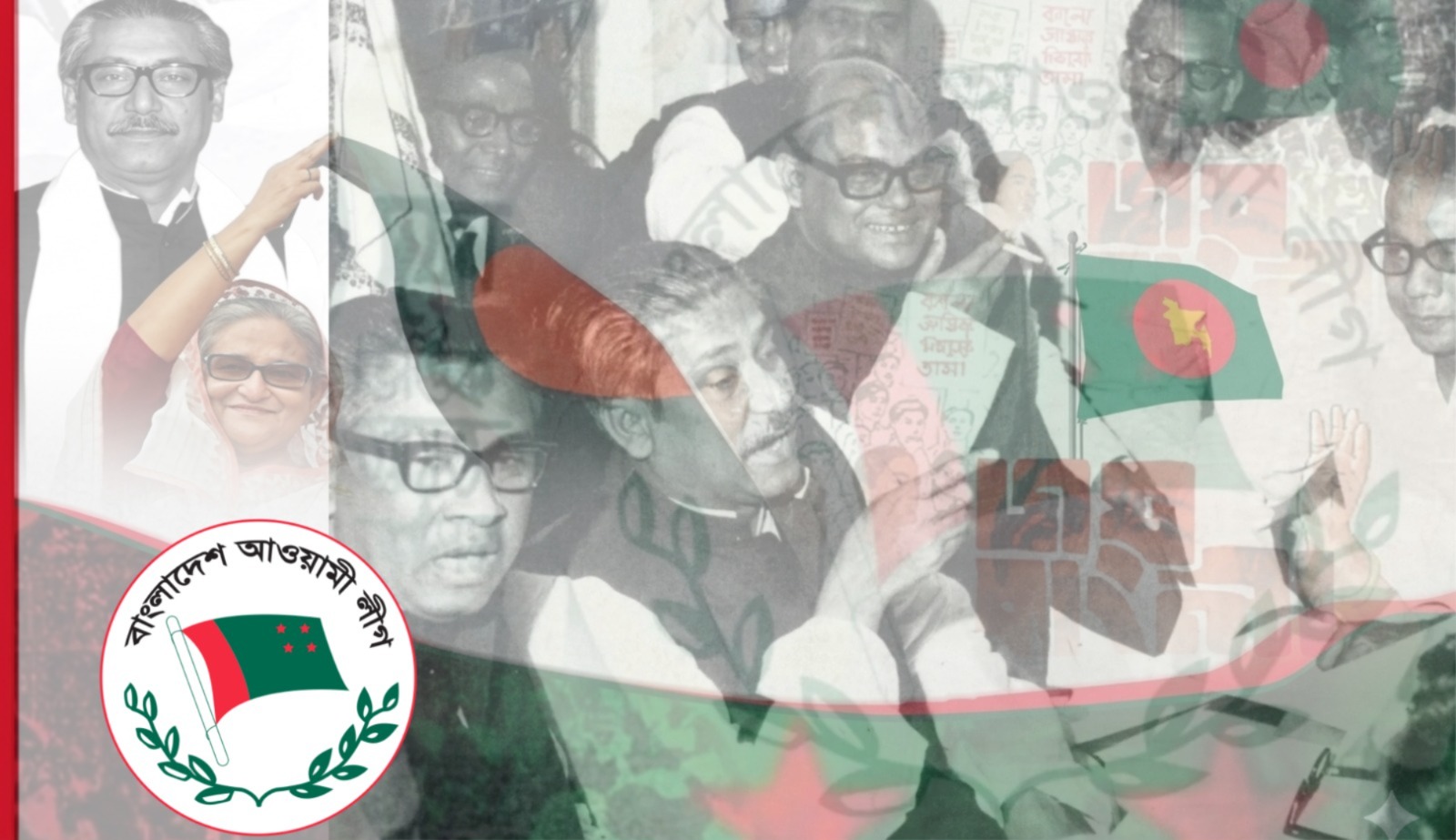
At the grassroots level, party activists argue that despite repeated bans throughout history, the Awami League has always returned stronger. They describe its 77-year history as one of struggle and resistance. According to them, past rulers—from Ayub to Yahya, and later authorities—failed to suppress the party, and future attempts will also fail. They believe the Awami League will endure as long as Bangladesh exists.
This development could mark a critical turning point in Bangladesh’s politics, potentially deepening political tensions and having far-reaching effects on democracy, political coexistence, and the country’s future political trajectory.
Columnist: Mr. Fazle Rabbi || Special South Asian Political Correspondent [Bangladesh]