
No deportation over pro-Palestinian expression, US court rules in favor of Rumeysa Ozturk
Boston, United States | 10 February 2026 | The Global Journal
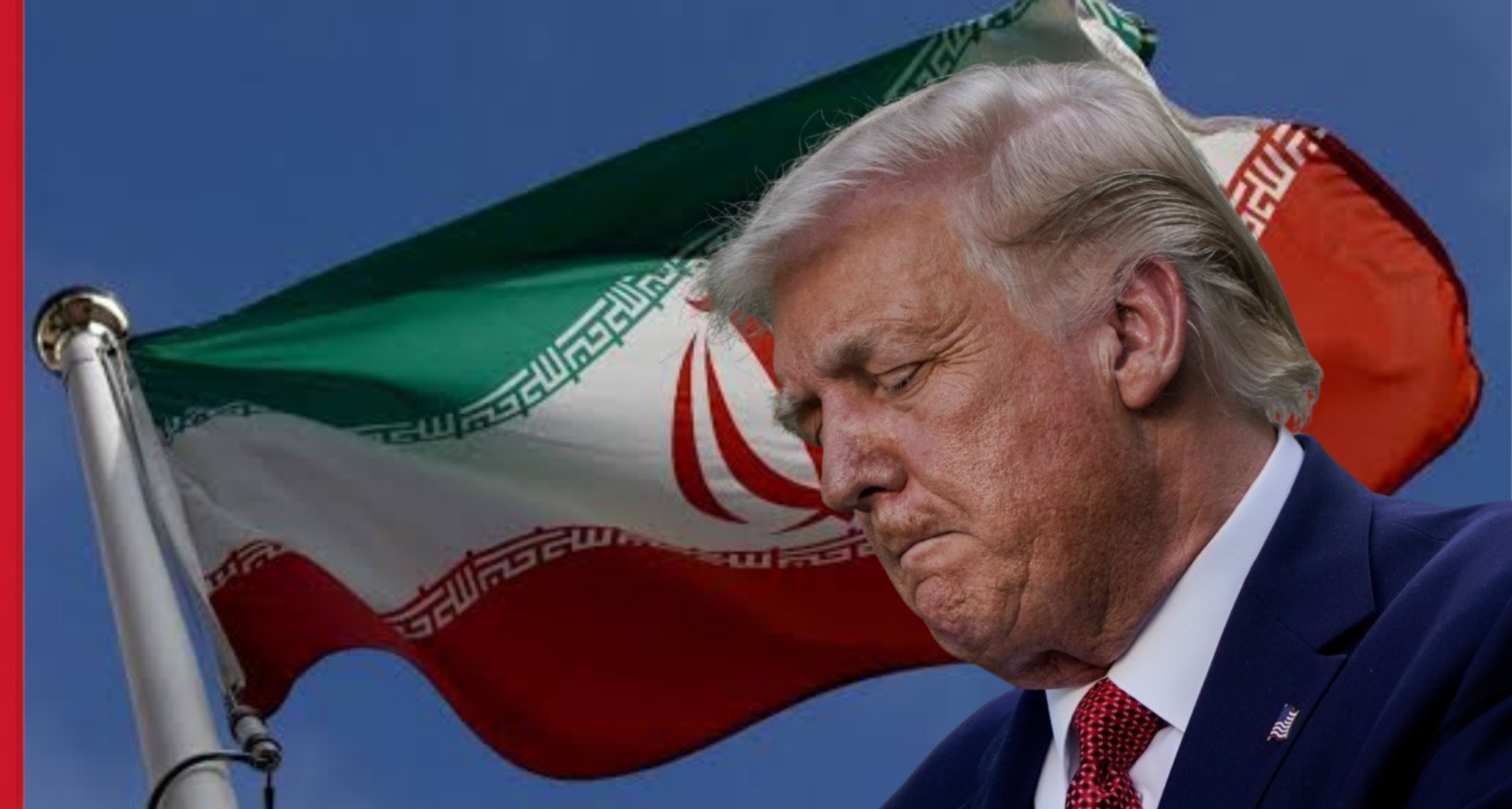
The Trump administration has suffered a major setback in its attempt to deport Turkish national and Tufts University PhD student Rumeysa Ozturk over her pro-Palestinian views. An immigration judge has ruled that the Department of Homeland Security (DHS) failed to prove that Ozturk was removable from the United States, leading to the termination of the deportation proceedings against her.
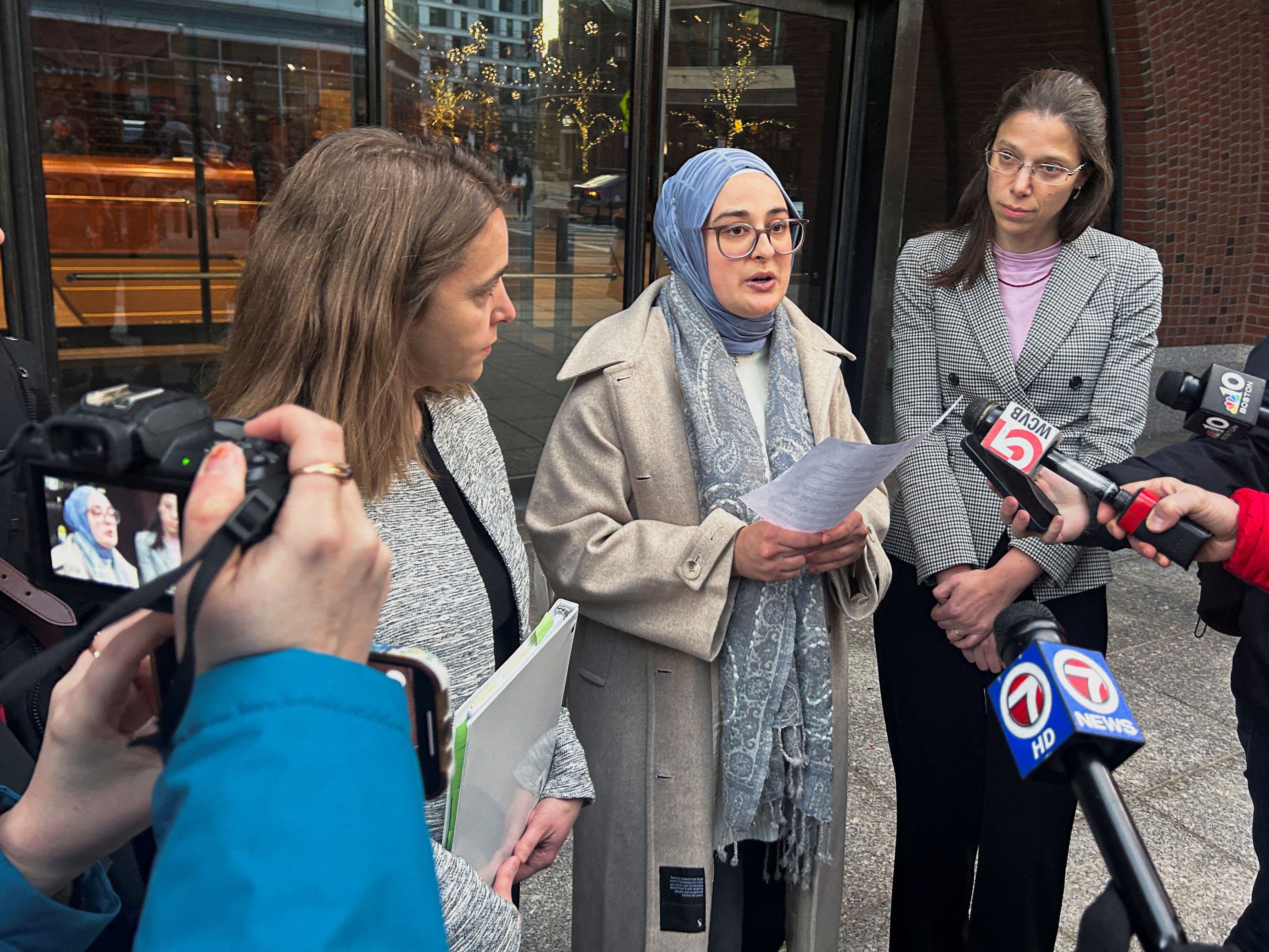
In a letter filed on Monday with the 2nd US Circuit Court of Appeals, Ozturk’s lawyers detailed the decision, stating that Boston-based Immigration Judge Roopal Patel issued the ruling on January 29.
Ozturk, a PhD student researching children’s relationship with social media, was arrested in March last year as the administration of President Donald Trump launched a sweeping crackdown targeting foreign students and activists involved in pro-Palestinian advocacy. Video footage of her arrest—showing masked agents handcuffing her and forcing her into an unmarked vehicle—sparked widespread outrage on social media.
Authorities cited only one reason for revoking her visa: an editorial she co-authored a year earlier in Tufts University’s student newspaper, which criticised the university’s response to Israel’s “genocidal war” on Gaza.
Her petition for release was initially filed in federal court in Boston and later transferred to Burlington, Vermont. In May last year, a federal judge ordered her immediate release, finding that Ozturk had raised a substantial claim that her detention constituted unlawful retaliation in violation of her free speech rights.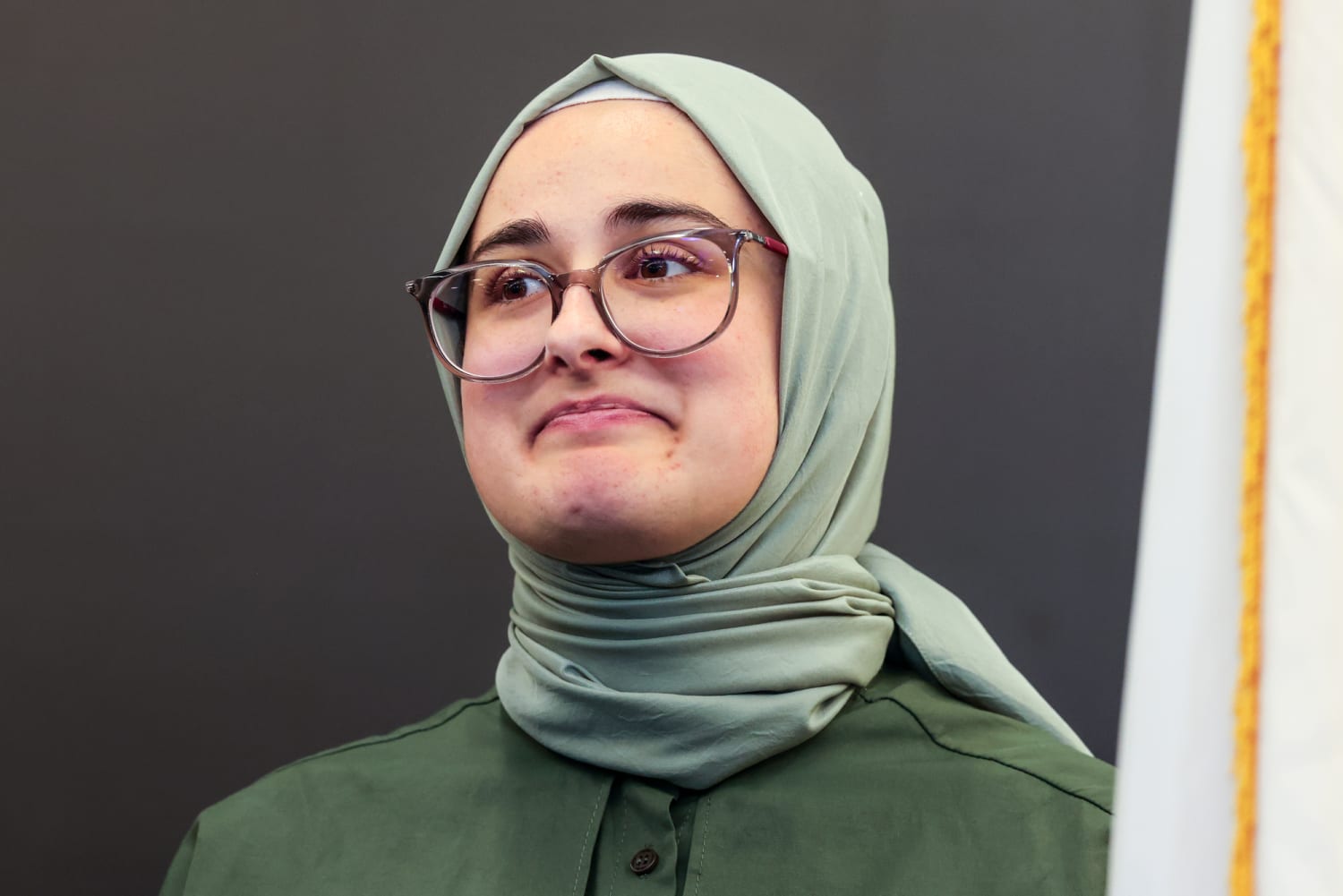
After spending 45 days in a detention centre in southern Louisiana, Ozturk returned to the Tufts campus. Although the federal government appealed her release, the immigration court’s January 29 decision has, for now, brought that legal battle to an end.
Reacting to the ruling, Ozturk said, “Today, I breathe a sigh of relief. Despite the flaws in the justice system, my case may offer hope to those who have also been wronged by the US government.”
Her immigration lawyer, Mahsa Khanbabai, welcomed the decision, accusing the Trump administration of using the immigration system as a political weapon. “Immigration laws have been manipulated to silence people who advocate for Palestinian human rights and the ongoing humanitarian crisis in Gaza,” she said. She added that she hopes other immigration judges will refuse to rubber-stamp indiscriminate deportation efforts.
Meanwhile, DHS criticised Judge Patel’s ruling, calling it an example of “judicial activism.” Homeland Security Secretary Kristi Noem said, “Anyone who thinks they can come to America and hide behind the First Amendment to advocate anti-American and antisemitic violence or terrorism—think again.”
Separately, last month a federal judge in Boston ruled that Noem and Secretary of State Marco Rubio had adopted an unlawful policy of detaining and deporting non-citizen scholars, chilling free speech at US universities. On Monday, the Justice Department moved to appeal that decision.
Ozturk’s case is now being widely viewed as a landmark moment in the ongoing debate over academic freedom and free expression in the United States.