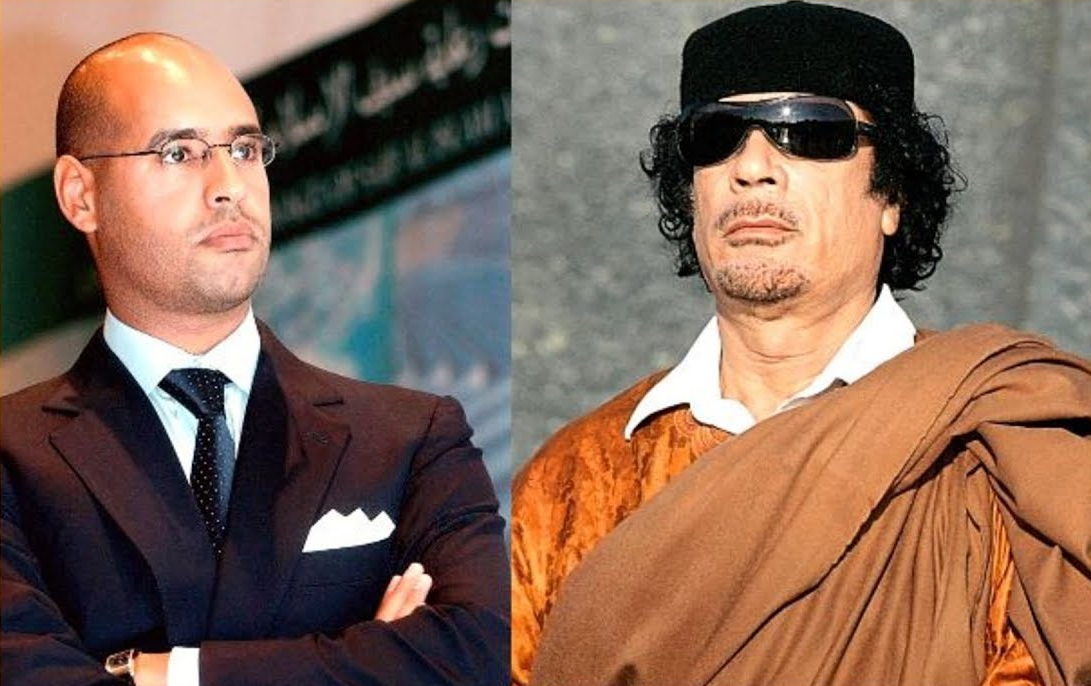
Son of former Libyan ruler Muammar Gaddafi, Saif al-Islam Gaddafi, killed in armed attack
Zintan, Libya | The Global Journal | February 5, 2026
Saif al-Islam Gaddafi, the most influential son of former Libyan ruler Muammar Gaddafi, has been killed, according to Libyan officials, political associates, and local media. The killing took place in the western Libyan city of Zintan.
Saif al-Islam Gaddafi’s lawyer, Khaled al-Zaidi, and his political adviser, Abdulla Othman, announced the death of the 53-year-old on Tuesday in separate posts on social media platform Facebook. However, they did not provide details of the incident in their initial statements.
Libyan news outlet Fawasel Media, citing adviser Abdulla Othman, reported that Saif al-Islam Gaddafi was killed when armed men attacked his residence in Zintan, located about 136 kilometers southwest of the capital, Tripoli.
In a later statement, Gaddafi’s political team said that four masked men forcibly entered his home and killed him. The statement described the incident as a “cowardly and treacherous assassination.” It further claimed that the attackers shut down the house’s security cameras in an attempt to conceal evidence, and that Saif al-Islam tried to resist the assailants.
Following the killing, Khaled al-Mishri, former head of the Tripoli-based, internationally recognized High State Council, called for an “urgent and transparent investigation” into the incident.
Although Saif al-Islam Gaddafi never held an official state position, he was widely regarded as his father’s heir apparent and the second most powerful figure in Libya from 2000 to 2011. That year, Muammar Gaddafi was overthrown and killed during a popular uprising, ending his decades-long rule.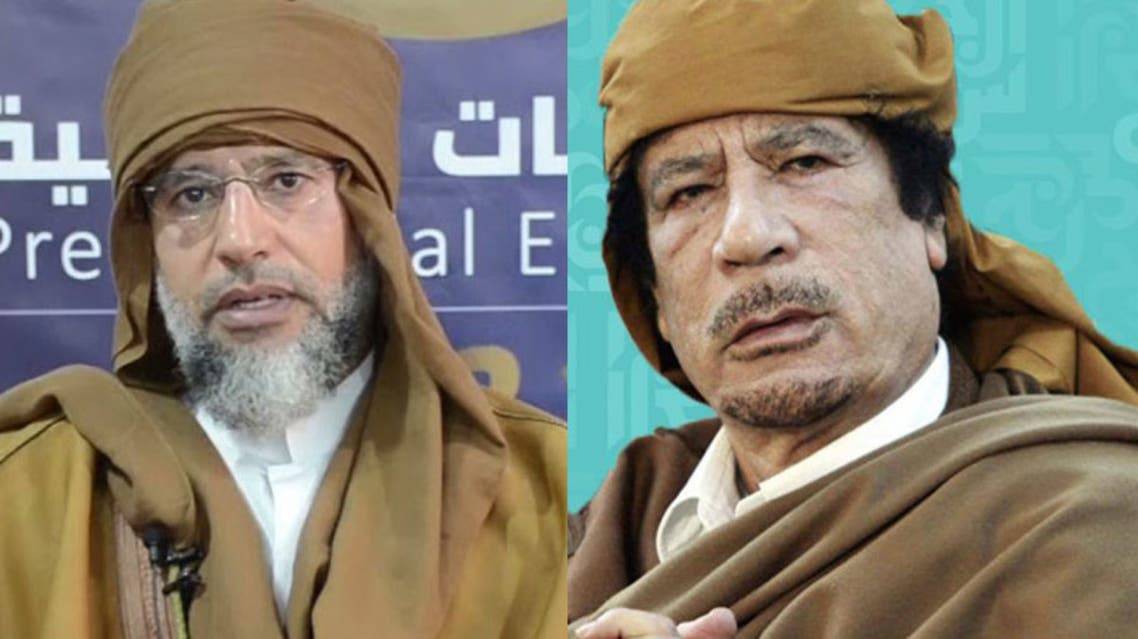
Born in Tripoli in 1972, Saif al-Islam Gaddafi was educated at the London School of Economics (LSE) and was known in Western capitals as a reform-minded figure. He played a key role in Libya’s decision to abandon its weapons of mass destruction program, normalize relations with Western countries, and negotiate compensation for the families of victims of the 1988 Pan Am Flight 103 bombing over Lockerbie, Scotland.
However, when the uprising against his father began in 2011, he firmly sided with the regime and became one of the main architects of the violent crackdown on protesters. During that period, he publicly warned that “rivers of blood would flow” in Libya.
After the fall of Tripoli, he attempted to flee the country but was captured in Zintan, where he remained detained for several years. The International Criminal Court (ICC) accused him of crimes against humanity. In 2015, a Tripoli court sentenced him to death in absentia. He was released in 2017 under a general amnesty and had since been living in Zintan, largely in hiding due to fears of assassination.
In 2021, Saif al-Islam announced his candidacy in Libya’s presidential election, triggering widespread political controversy. Disputes and legal challenges surrounding his candidacy ultimately derailed the election process and pushed Libya back into deep political deadlock.
Analysts warn that the killing of Saif al-Islam Gaddafi could further destabilize Libya’s already fragile political situation.