Washington Not Ready to Implement Its Own Proposal to End Ukraine Conflict — Russia
Moscow | Russia | 10 February 2026 | The Global Journal
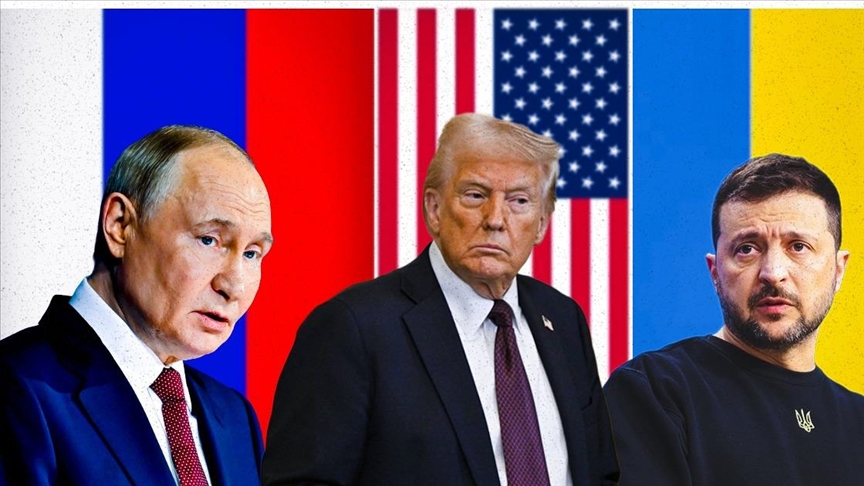
Russia’s Foreign Minister Sergey Lavrov has claimed that the United States is no longer ready to implement the proposal it had itself put forward to resolve the Ukraine conflict. He made the remarks on Monday in an interview with the BRICS TV channel.
Lavrov said that in August 2025, during presidential-level talks held in Anchorage, Alaska, the United States presented Russia with a proposal aimed at resolving the Ukraine conflict. While Moscow was prepared to engage at the time, he alleged that Washington has since retreated from its own position.
According to Lavrov, despite dialogue and some understandings reached at the Anchorage meeting, the United States has continued its policy of pressure and containment against Russia.
“They supposedly proposed something on Ukraine, and we were ready. But now they themselves are not ready. Moreover, we do not see any bright future in the economic sphere either,” Lavrov said.
The Russian foreign minister accused Washington of imposing new sanctions on Russian oil companies Rosneft and Lukoil immediately after what he described as “constructive talks.” He also claimed that the United States is effectively waging a kind of “war” against Russian tankers at sea.
Lavrov further stated that the United States is pressuring partner countries such as India to refrain from purchasing Russian energy, noting that similar pressure had earlier been applied to Europe. As a result, Europe has been forced to buy American liquefied natural gas (LNG) at extremely high prices.
“Europe was banned from buying Russian energy resources long ago. In other words, the United States has declared its goal of establishing economic dominance,” he said.
According to Lavrov, Washington is deliberately seeking to control global energy routes and the international economic system—an approach he said is unacceptable to Russia. In response, Moscow is looking to protect its interests by developing alternative payment mechanisms and strengthening cooperation with other countries.
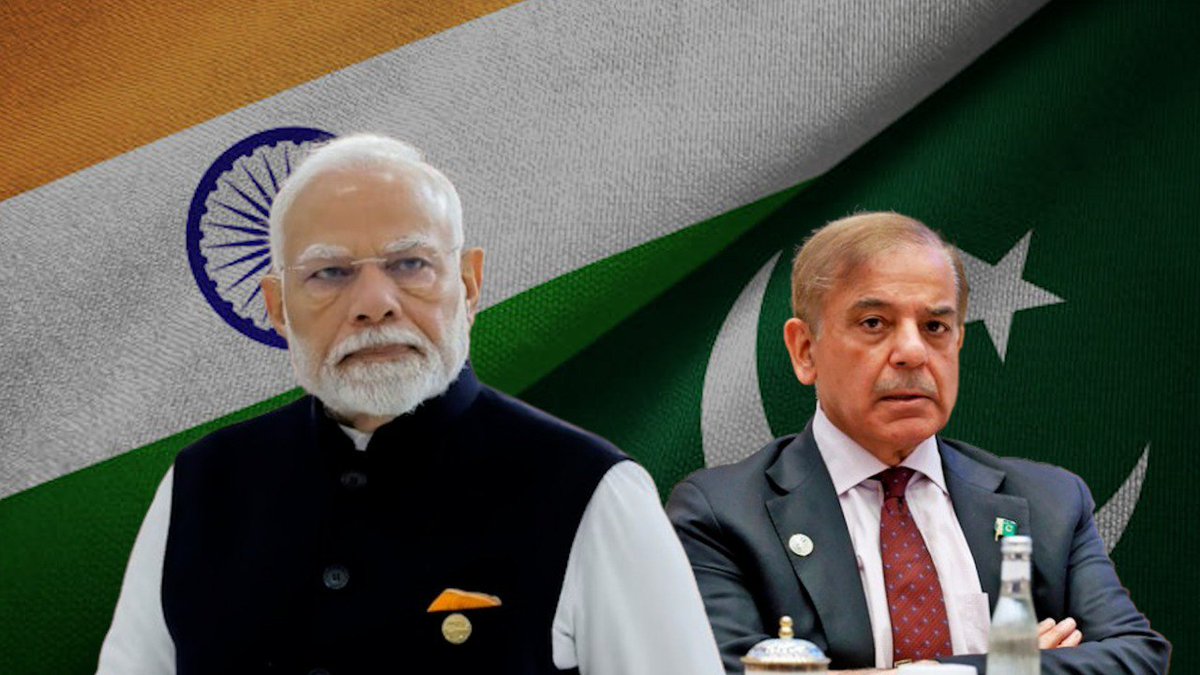
Lavrov also accused the United States of attempting to control Russia’s military-technical relations with its allies. He said Washington is trying to interfere in Russia’s trade, investment cooperation, and military-technical ties with its largest strategic partners, including India and other BRICS members.
Despite these tensions, Lavrov said Russia remains open to cooperation with the United States, but argued that it is the Americans who are creating “artificial barriers.” He described NATO, the European Union (EU), and the Organization for Security and Cooperation in Europe (OSCE) as having become “obsolete,” saying they are guided by a Western-dominated mindset that treats the rest of the world as subordinate.
Lavrov clarified that Russia does not advocate abolishing the International Monetary Fund (IMF), the World Bank, or the World Trade Organization (WTO). Instead, Moscow seeks to ensure that BRICS countries receive voting rights and influence in these Bretton Woods institutions commensurate with their real weight in the global economy, trade, and logistics.
On security issues, Lavrov stressed that politicians in Europe are openly speaking about war against Russia, making it essential for Moscow to guarantee its own security. He warned that Russia will not allow the deployment of any weapons on Ukrainian territory that could threaten Russian security interests.
According to Lavrov, the goal of BRICS is not to target the United States, but to build independent and alternative mechanisms to counter Washington’s attempts to unilaterally control the world and extract one-sided concessions.