Donald Trump's eldest son Trump Jr. Privately Opposed U.S. Involvement in Iran War, Repeatedly Voiced Concerns to His Father — The Atlantic
Washington, United States | October 21, 2026 | The Global Journal
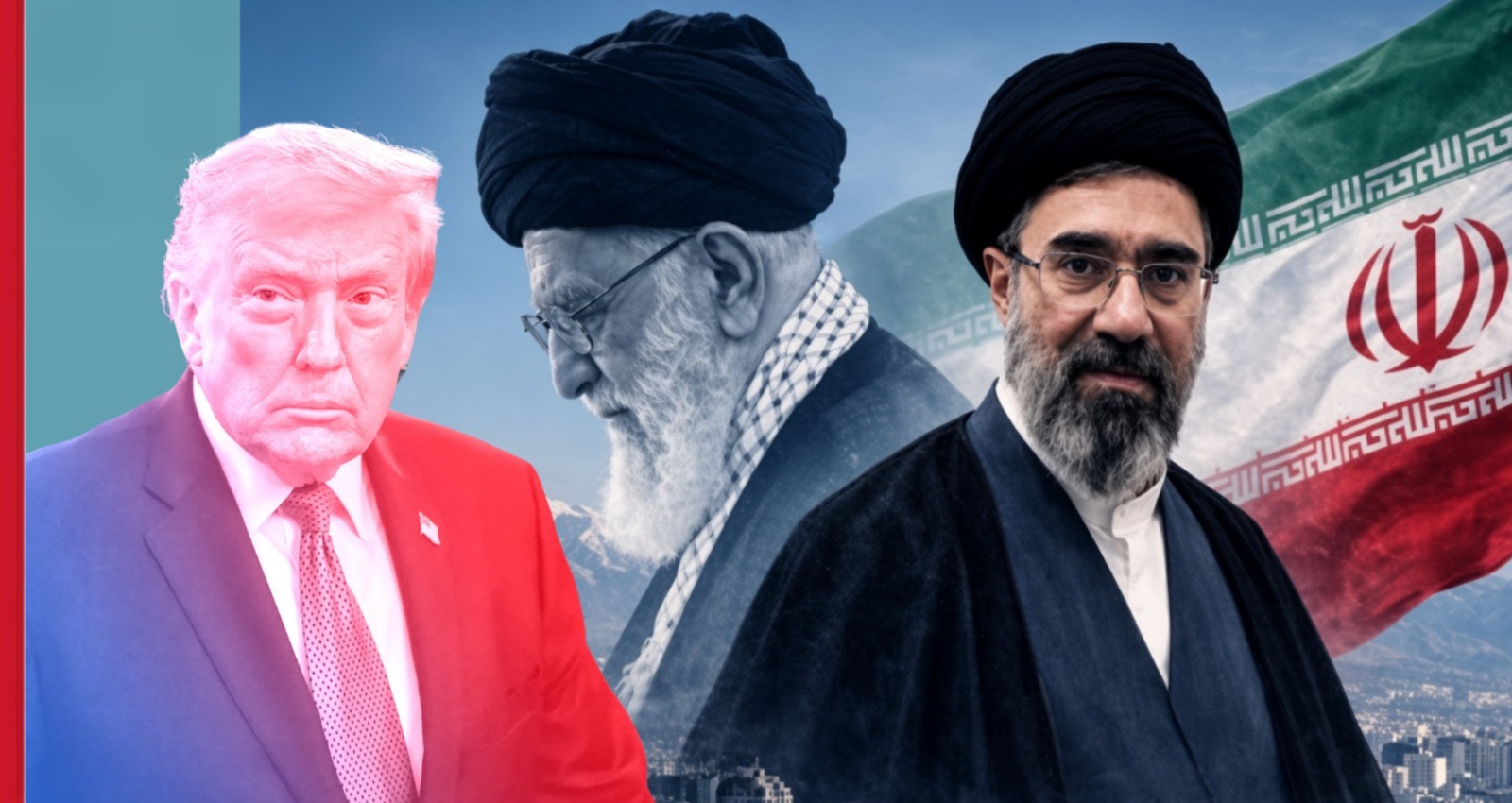
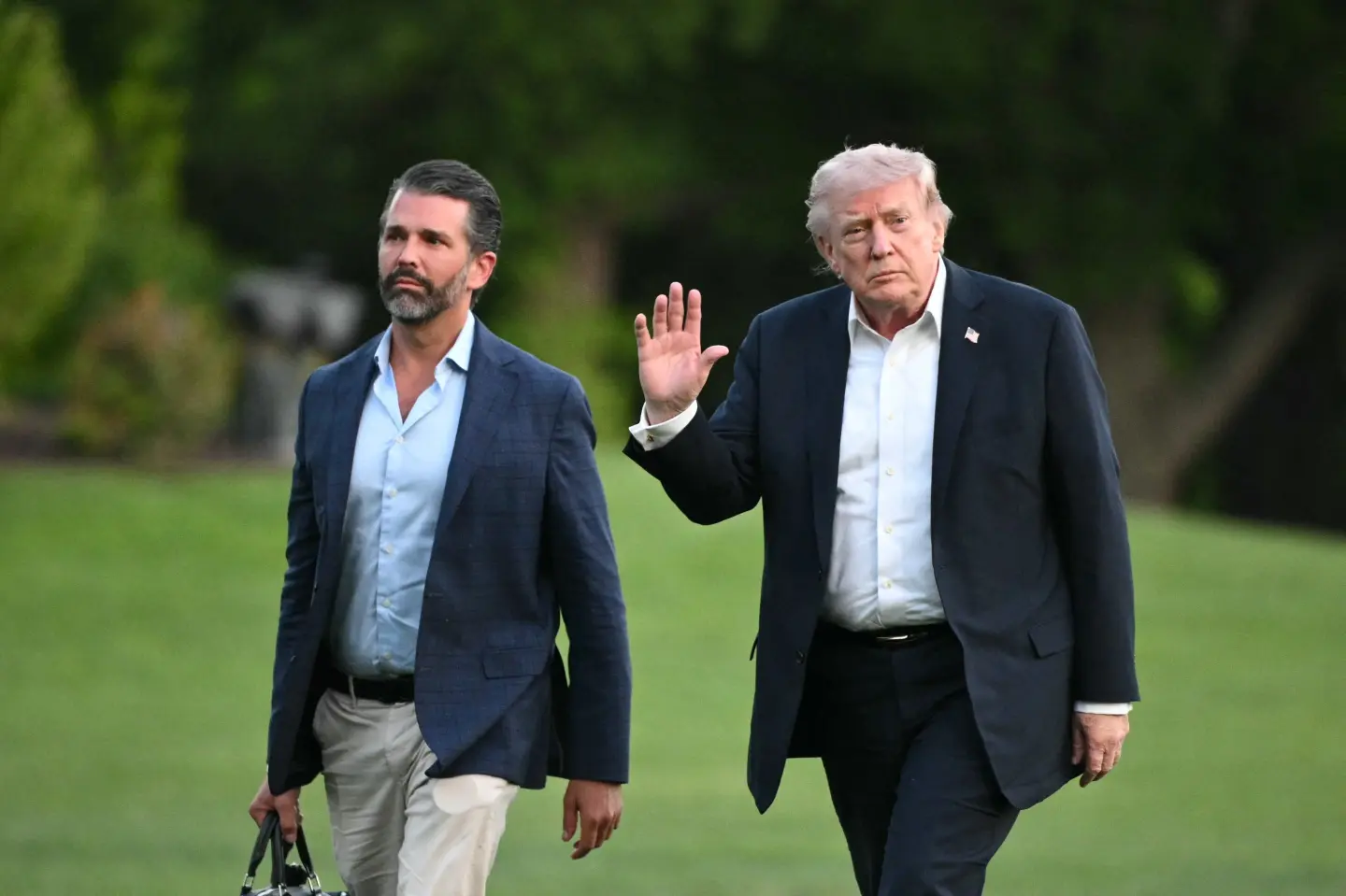
Donald Trump Jr., the eldest son of U.S. President Donald Trump, has expressed dissatisfaction with the United States becoming involved in the military conflict with Iran. He reportedly raised his concerns and opposition to the war with his father on multiple occasions during private conversations, according to a report by the American magazine The Atlantic.
According to the report, during the 2024 U.S. presidential election campaign, Trump Jr. wanted the United States to avoid becoming embroiled in another war in the Middle East. His position was that Washington should prioritize domestic concerns and national interests rather than commit military forces to foreign conflicts.
However, the current situation has created a significant gap between that position and U.S. policy. Under President Trump’s leadership, the United States has become involved in a prolonged military conflict with Iran, the report noted.
Trump Jr. Had Previously Expressed Concerns About War With Iran
In 2024, after Iran launched missiles and drones toward Israel, Trump Jr. wrote on the social media platform X: “Remember when they said Trump would get us into a full scale war with Iran? …” He went on to suggest that Americans should recognize how fortunate they were to have Trump and his strong, decisive leadership.
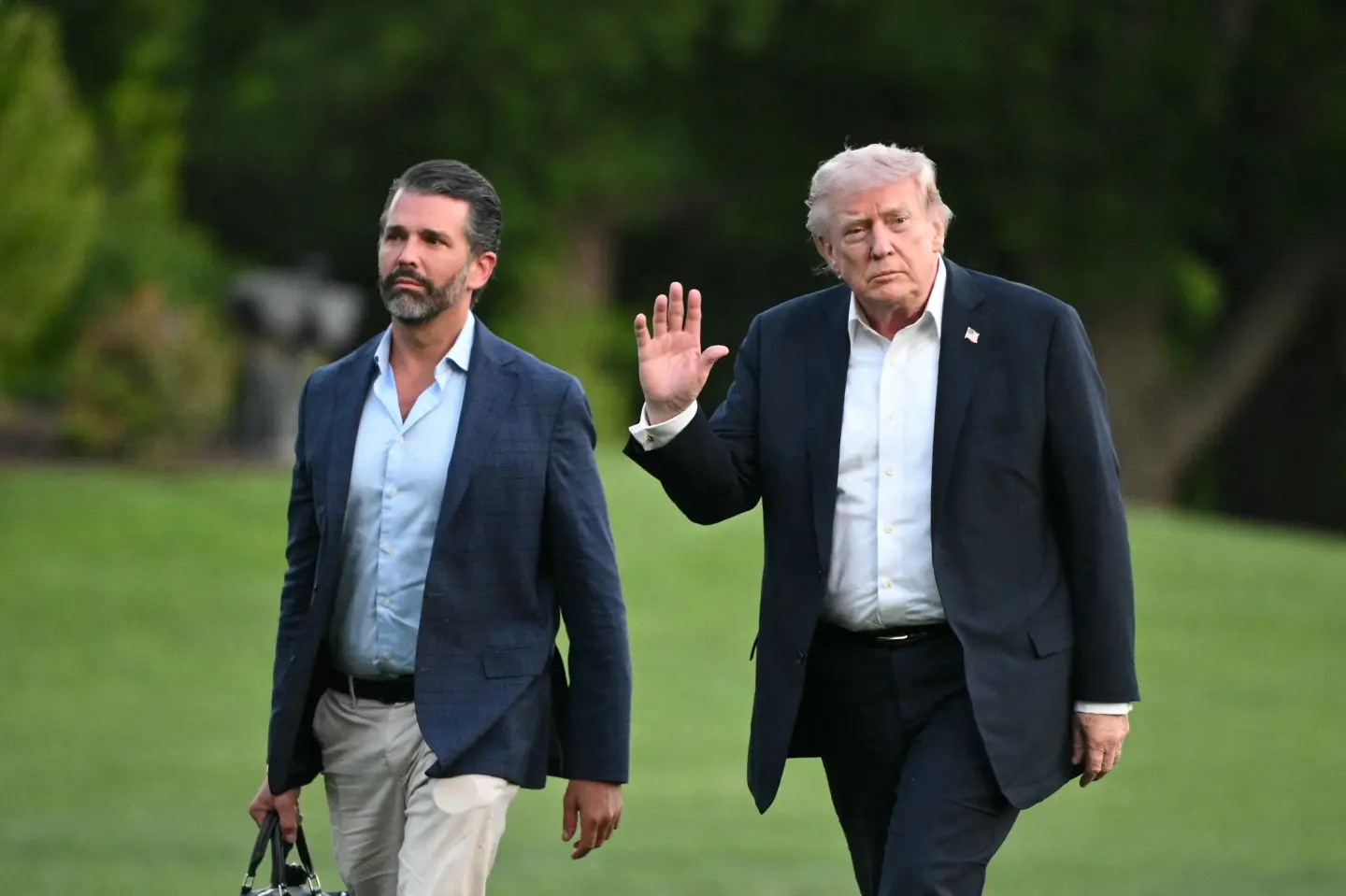
According to sources cited by The Atlantic, Trump Jr. privately discussed his concerns about the Iran war with his father on several occasions. He has generally taken a cautious position on military intervention in foreign policy and opposed U.S. involvement in another Middle Eastern war.
The report said Trump Jr. kept his views private rather than publicly challenging his father. One source told the magazine that he was unlikely to openly break with the president over the issue. However, the source suggested that his private position would not surprise people who know him well.
Iran War Divisions Within the MAGA Movement
The conflict with Iran has also reportedly deepened divisions within Trump’s “Make America Great Again,” or MAGA, political movement.
Some supporters argue that entering another foreign war contradicts the administration’s commitment to prioritizing domestic issues and putting American interests first. One source cited in the report described Trump Jr. as among the most strongly aligned with the MAGA movement.
The report also noted that Trump Jr. had a close relationship with the late conservative political activist Charlie Kirk, who also opposed the Iran war.
Concerns Within the U.S. Administration
According to The Atlantic, doubts about the Iran war were not confined to the Trump family. Vice President JD Vance and several senior administration officials reportedly expressed private concerns during discussions about whether the United States should support Israel’s military campaign.
The report also said CIA Director John Ratcliffe and Secretary of State Marco Rubio had questioned an initial proposal presented by Israeli Prime Minister Benjamin Netanyahu in February. According to sources cited by the magazine, they also raised doubts about whether airstrikes alone could realistically bring about regime change in Iran.
These accounts point to possible disagreements within different levels of the U.S. administration over policy toward Iran. However, information about the officials’ private views remains based primarily on sources cited in the report.
Public Disapproval of Trump’s Handling of the Iran Conflict
Public opinion in the United States has also reflected substantial dissatisfaction with Trump’s handling of the Iran conflict, according to polling data cited in the report.
A Pew Research Center survey conducted from September 28 to October 4, 2026, found that 65 percent of U.S. adults disapproved of Trump’s handling of the conflict, while 33 percent approved.
The report also pointed to a decline in support among Republicans. The share of Republicans who approved of Trump’s handling of the conflict fell from 69 percent in March to 63 percent in the later survey.
In addition, nearly half of Americans expected the conflict to continue for more than a year. This contrasts with the Trump administration’s earlier assessment that the conflict could last four to six weeks, the report noted.
Prolonged Conflict Could Increase Political Pressure
The Iran war has brought renewed attention to differences of opinion among Trump’s political supporters, senior administration officials and the broader American public.
The Atlantic’s reporting on Trump Jr.’s private opposition highlights an internal debate over U.S. foreign policy and the direction of the MAGA movement. The findings also suggest that a prolonged conflict could increase pressure on public support for the president, unity within his administration and his political commitment to prioritizing domestic concerns.
Nevertheless, claims about Trump Jr.’s private position and concerns among administration officials should be understood as accounts attributed to sources cited by the magazine.