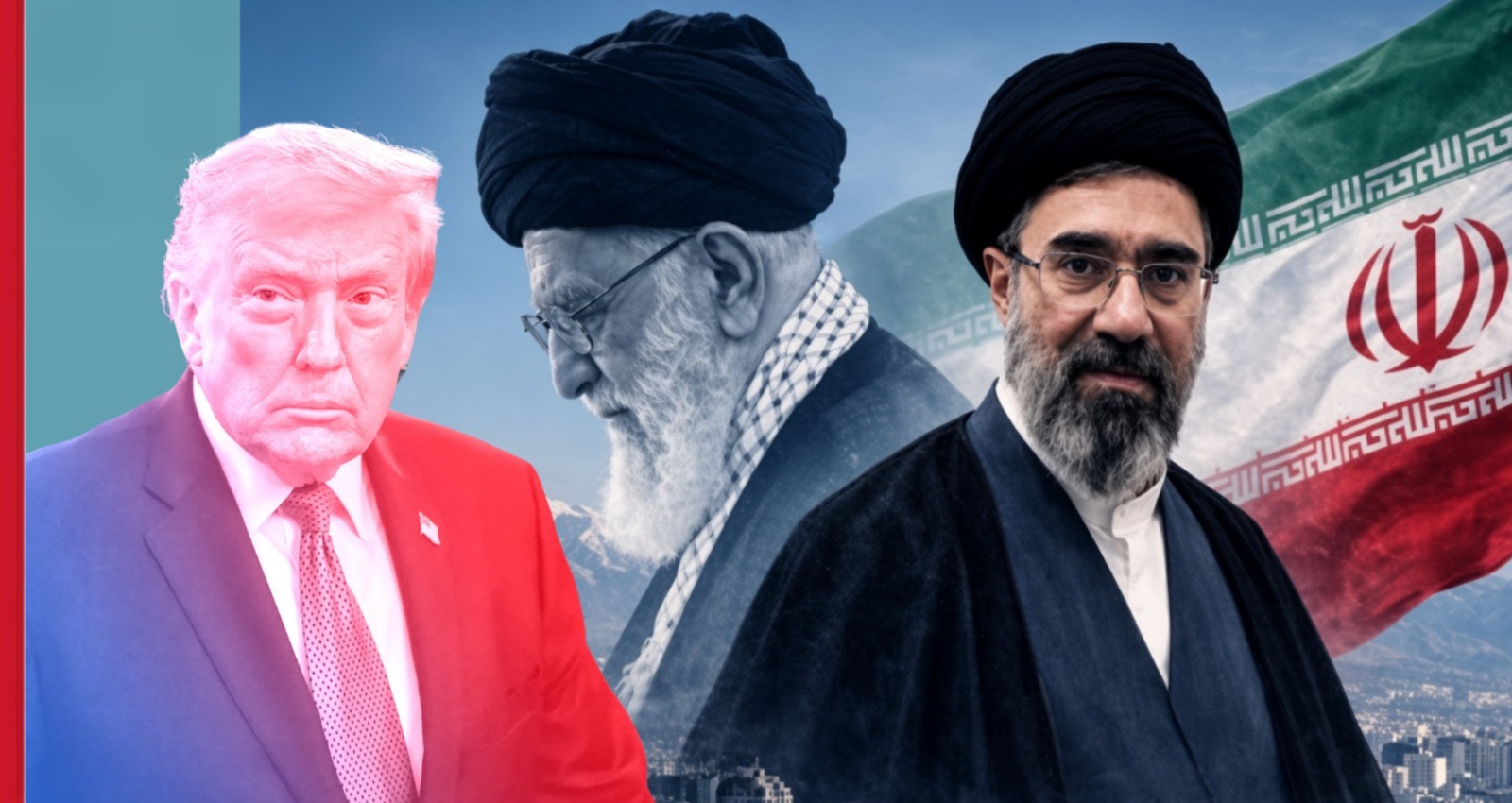

US Fails to Achieve Strategic Objectives Against Iran? Tehran’s Missile and Drone Capabilities Pose Major Challenge to Washington’s Military Plans
Tehran, Iran | October 22, 2026 | The Global Journal
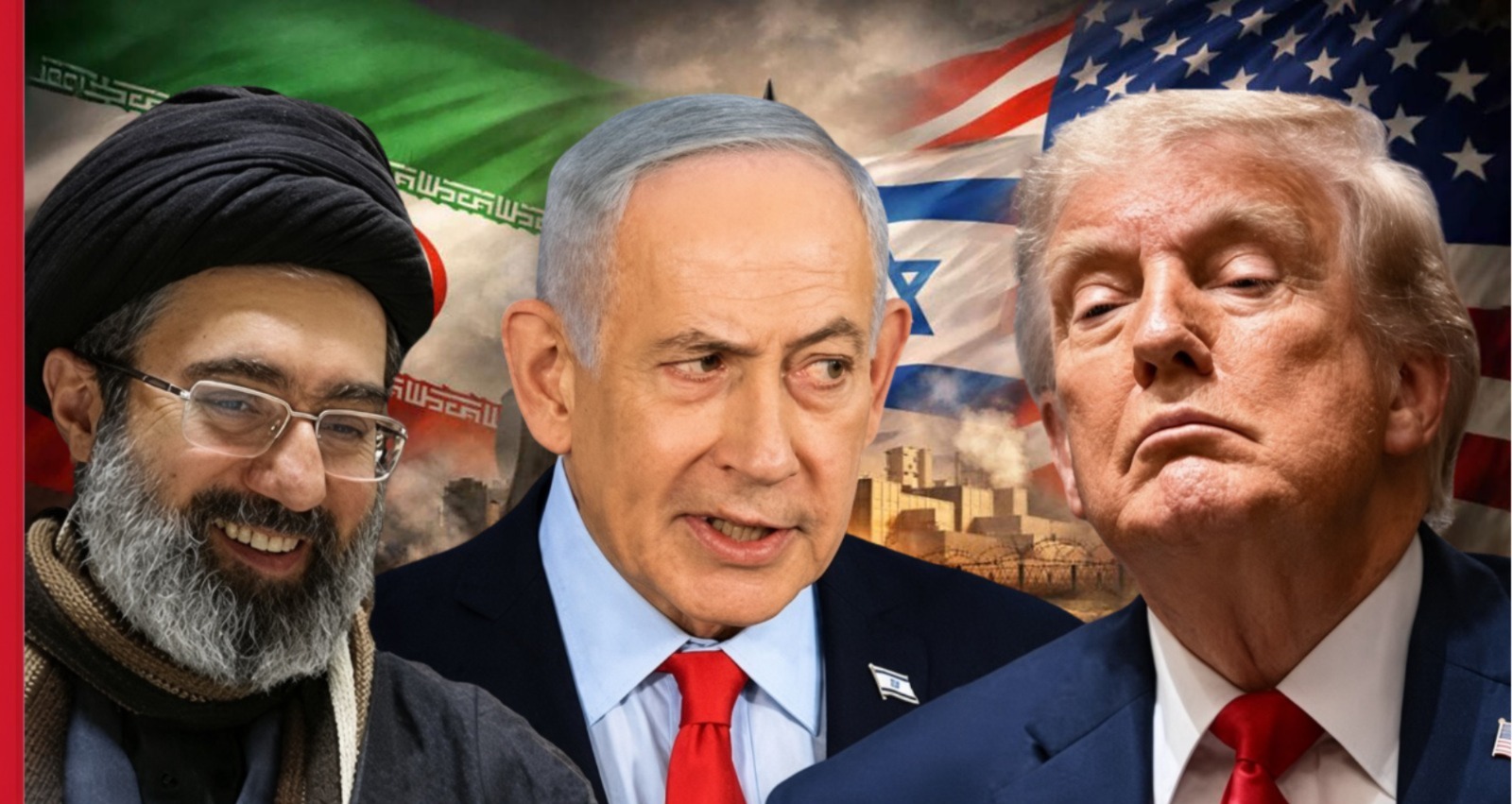
The United States’ strategy of leveraging its military superiority to shape the course of the conflict with Iran in its favor has failed to deliver the expected political results, according to Iran’s Mehr News Agency (MNA). The agency’s analysis argues that Iran’s defense capabilities, missile and drone technologies, and capacity for prolonged resistance have posed major challenges to Washington’s military planning.
According to the report, the question of US strategic failure against Iran cannot be explained solely by comparing military strength. Another important factor is Washington’s inability to impose its political conditions on Tehran through military pressure. However, determining the extent to which the United States has achieved its declared military objectives requires independently verified information, an assessment of the military situation, and statements from both sides.
John Mearsheimer’s Assessment of Iran’s Missile and Drone Capabilities
Prominent international relations scholar John Mearsheimer has highlighted the significance of Iran’s missile and drone capabilities in his analysis of the military and strategic dimensions of the US-Iran conflict. His assessment emphasizes that although the United States possesses substantial military power, decisively defeating Iran is far from straightforward. Iran’s ability to retaliate creates additional considerations regarding the potential expansion of the conflict and the security of US military installations and regional allies.
From this perspective, Iran’s military capabilities remain an important factor in the strategic calculations of Washington and Tel Aviv. However, this is an individual analyst’s assessment and should not be treated as a universally accepted or definitive conclusion about the outcome of the conflict.
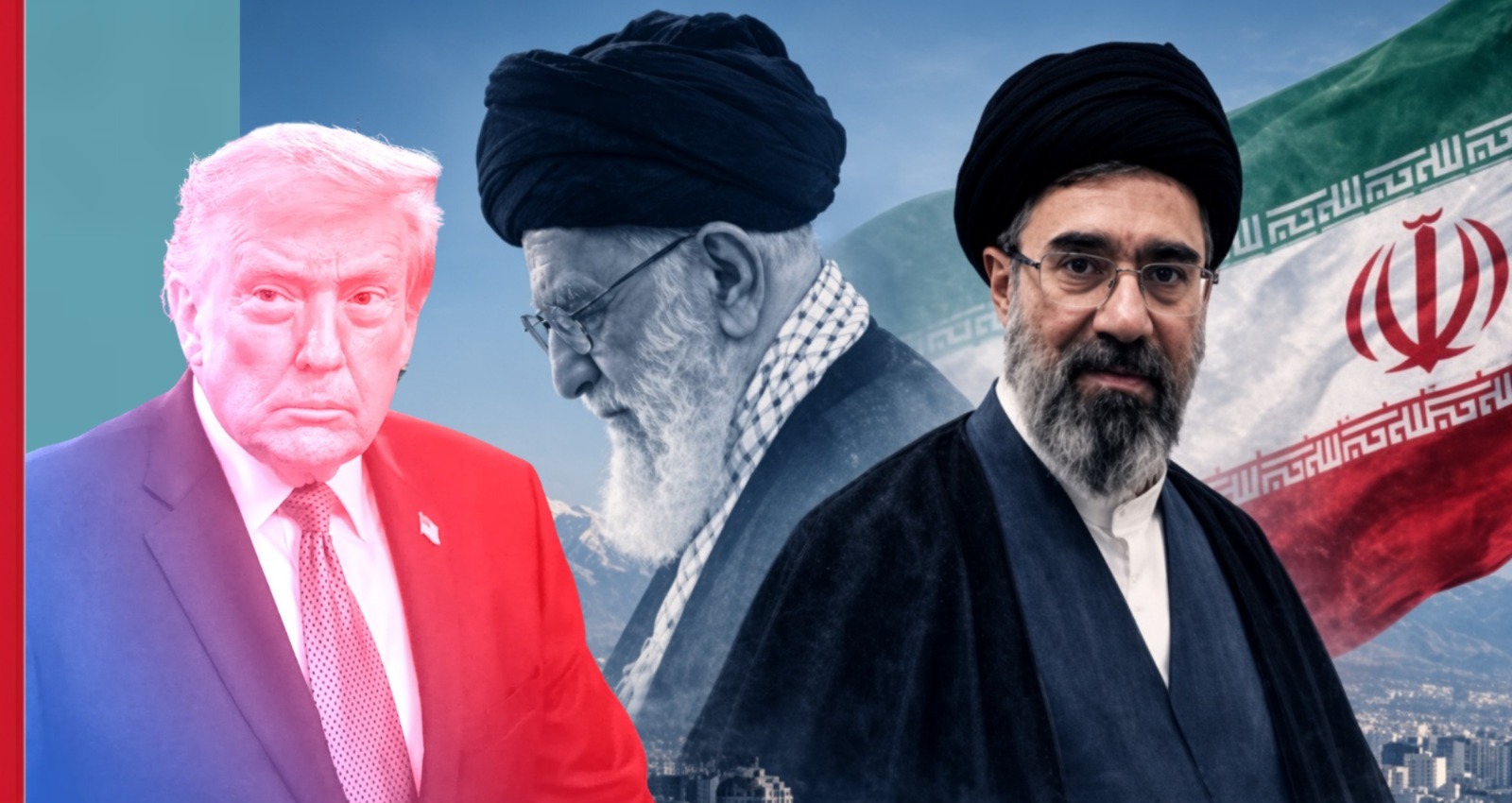
Why Iran Cannot Easily Be Excluded from Regional Security Calculations
MNA’s analysis argues that Iran’s geographic position, defense infrastructure, and capacity to deploy missiles and drones impose several constraints on US military planning. The consequences of any further military action against Iran would not necessarily remain confined to Iranian territory. They could also affect US troops and military installations across the Middle East, the security of regional allies, and the economic costs of the conflict.
The United States possesses advanced military technology and substantial military resources. However, military superiority does not automatically guarantee the achievement of political objectives. An adversary’s capacity to retaliate, geographic realities, and the long-term costs of conflict can also shape the final outcome.
Questions Over Washington’s Strategic Miscalculation
The report raises questions about whether US strategic planners adequately assessed Iran’s internal capabilities and capacity for resistance. A country’s overall strength cannot be determined solely by counting military equipment or measuring the effects of economic sanctions.
Iran’s defense capabilities, human resources, strategic infrastructure, and geographic position collectively influence its ability to resist external pressure. During a crisis, domestic cohesion and administrative coordination may also play a role in sustaining defense operations and responding to challenges.
According to MNA’s analysis, when an adversary retains the ability to retaliate and refuses to accept imposed political conditions despite military pressure, achieving the desired political outcome through military operations becomes more difficult. This highlights the distinction between military success and strategic success.
The Importance of Domestic Cohesion Alongside Defense Capabilities
Assessing Iran’s strength requires consideration not only of its weapons and military technology but also of its ability to maintain critical infrastructure, manage crises, and coordinate state institutions.
Under external military pressure, domestic cohesion can influence a country’s decision-making autonomy and its ability to sustain defense operations. However, determining the actual level of internal unity and its practical impact requires reliable evidence; it cannot be established solely on the basis of political statements.
The analysis also suggests that Iran’s defense capabilities and ability to retaliate will remain important factors in calculating the risks and potential costs of any future military action against the country.
US Strategic Position and Regional Influence
The conflict with Iran presents the United States with challenges extending beyond the battlefield. Washington’s international credibility, the security of its regional allies, and the future of the Middle East’s security architecture are also at stake.
Perceptions that the United States has failed to achieve its declared objectives could influence how allies and adversaries assess Washington’s ability to manage regional crises. Meanwhile, if Iran maintains its defense capabilities and continues to play an active role in regional security calculations, Tehran is likely to remain an important actor in West Asia.
This does not mean that US influence in the Middle East has come to an end. Rather, the situation suggests that establishing a lasting regional security arrangement could be difficult without accounting for Iran’s military capabilities and political position.
MNA’s analysis identifies Iran’s missile and drone capabilities, capacity for resistance, and geographic position as important factors in Washington’s strategic calculations. John Mearsheimer’s assessment likewise highlights the distinction between possessing military power and achieving political objectives.
Nevertheless, determining the extent of any US strategic failure or the actual state of Iran’s defense capabilities requires independently verified information about military operations, damage and losses, declared objectives, and diplomatic developments. A comprehensive assessment of the conflict must therefore consider not only military strength but also political outcomes and long-term regional consequences.
Sources: Mehr News Agency (MNA); published analyses and statements by John Mearsheimer.
Editorial Note: The assessments concerning US strategic failure and Iran’s military capabilities are presented as claims and analyses attributed to the relevant sources. They should not be treated as independently verified, definitive conclusions.