
Iran Expands Military Strikes Across Gulf After U.S. Attacks as Strait of Hormuz Crisis Deepens
The Global Journal | Washington/Dubai | July 13, 2026
The military confrontation between the United States and Iran intensified dramatically on Sunday as both sides exchanged heavy missile and drone attacks across the Gulf region, raising fears of a broader regional conflict and further disruption to global energy supplies.
Iran launched strikes targeting U.S. military facilities in several Gulf states, while Iranian authorities announced that the strategically vital Strait of Hormuz had once again been closed to maritime traffic. The latest escalation follows days of intensified fighting after renewed U.S. military operations against Iranian targets.
According to Iranian officials, the latest attacks were aimed at U.S. military assets in Qatar, Kuwait, Oman, Jordan, and other locations hosting American forces. The United Arab Emirates said its air defenses intercepted missiles and drones approaching its airspace, while Bahrain also reported intercepting multiple aerial threats.
Qatar said three people, including a child, were injured by falling debris following the attacks and accused Iran of bearing full legal responsibility. Oman reported drone attacks in two regions and summoned Iran's ambassador in protest. Kuwait also reported damage from missile strikes, including an attack that injured a worker at an oil drilling platform.
Meanwhile, Iranian state media reported explosions around Bandar Abbas and nearby Qeshm Island after what it described as a fresh wave of U.S. strikes targeting military facilities near the Strait of Hormuz.
The renewed hostilities have cast serious doubt over the future of the interim U.S.-Iran understanding reached last month, which had sought to reopen the Strait of Hormuz and create a framework for further negotiations. In recent days, President Donald Trump has declared the ceasefire effectively over while leaving open the possibility of renewed diplomatic talks.
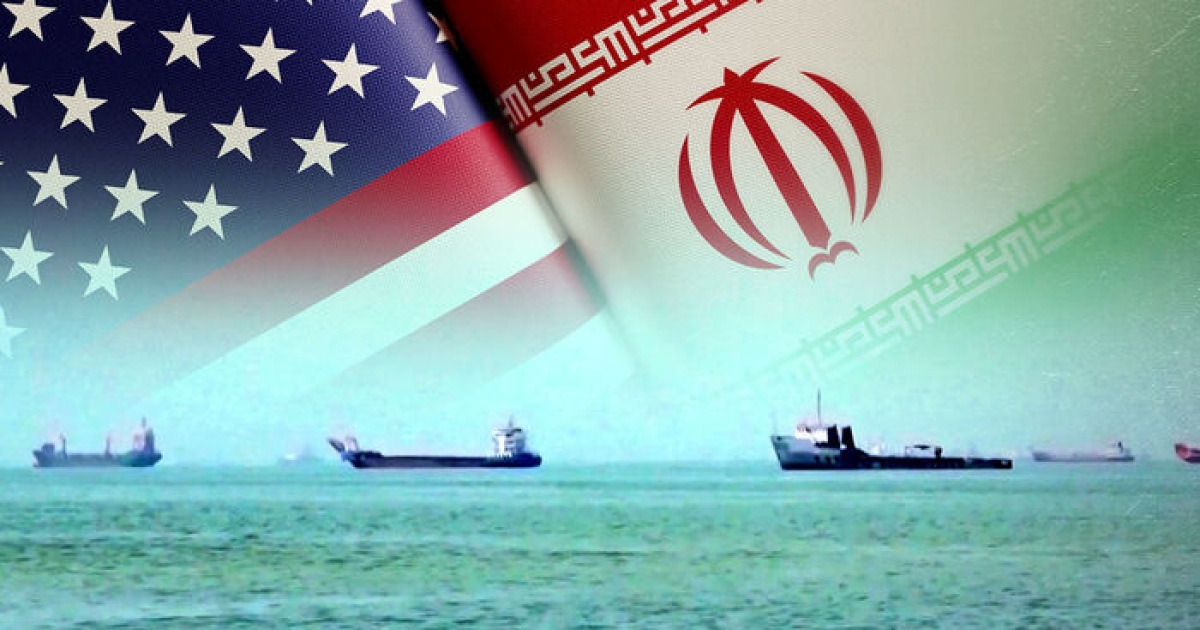
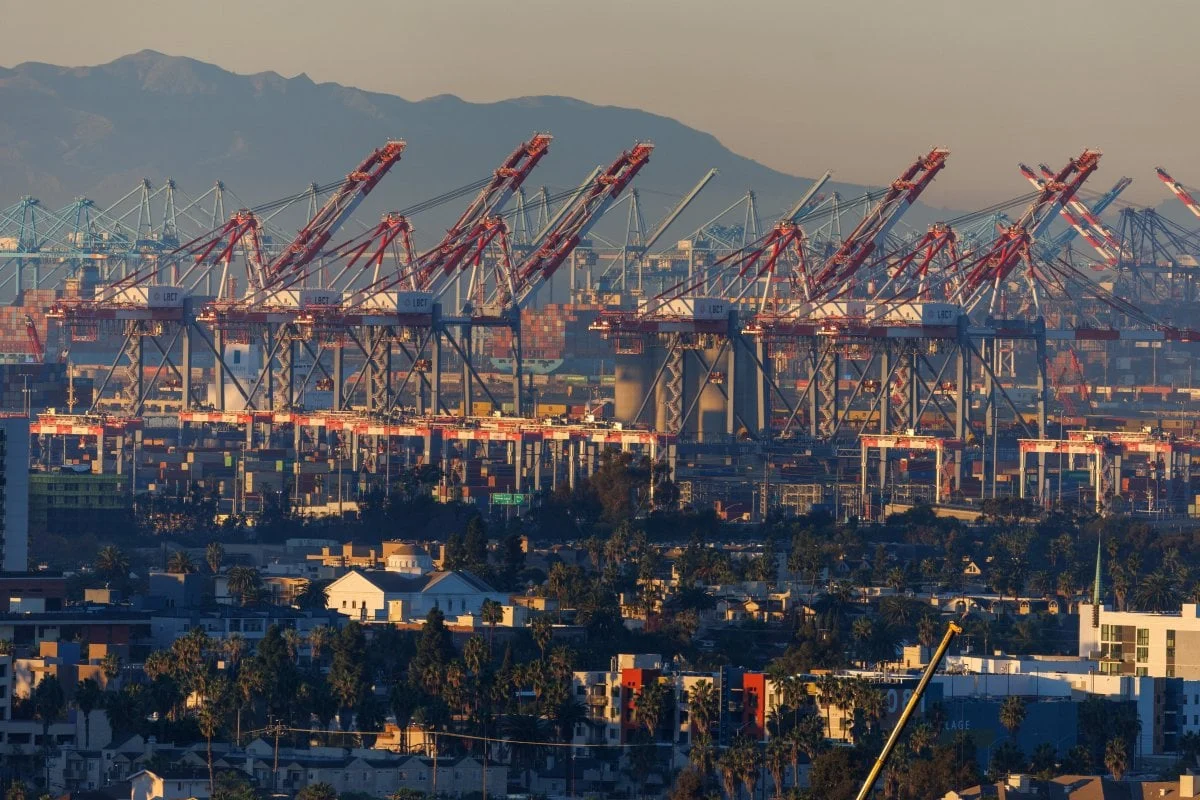
The Strait of Hormuz remains one of the world's most strategically important waterways, previously handling roughly one-fifth of global oil and liquefied natural gas shipments. Iran said it had suspended commercial transit through the passage, citing what it described as illegal U.S. military activity in the region, and announced that permits for vessels would only be issued once stability returned.
The United States rejected Iran's assertion that it controls the waterway, stating that American and allied naval forces remain committed to safeguarding freedom of navigation. U.S. officials said maritime traffic continues through alternative shipping routes despite heightened security risks.
U.S. Central Command said American forces had struck more than 300 Iranian military targets over the past several days, including 140 targets in a single round of operations, describing the campaign as an effort to reduce Iran's ability to threaten commercial shipping and civilian vessels in the Gulf.
In response, Iran's Islamic Revolutionary Guard Corps (IRGC) claimed responsibility for attacks on what it described as U.S. command centers, radar installations, military logistics facilities, and support infrastructure across several Gulf countries. Those battlefield claims have not been independently verified.
The conflict has significantly increased pressure on global energy markets, with disruptions in Gulf shipping contributing to rising oil prices and renewed concerns over inflation. Higher fuel costs are also expected to carry political implications in the United States ahead of November's congressional elections.
Diplomatic efforts continued alongside the military escalation. Iranian Foreign Minister Abbas Araghchi met Omani Foreign Minister Badr Albusaidi in Muscat to discuss developments surrounding the Strait of Hormuz, while later holding a telephone conversation with Pakistani Foreign Minister Ishaq Dar on regional security and ongoing mediation efforts.
In a message posted on social media, Iranian Parliament Speaker Mohammad Baqer Qalibaf declared that "the era of one-sided deals is over," warning that previous commitments must be honored or there would be consequences.
As military operations continue and diplomatic channels remain under strain, the Gulf faces one of its most dangerous security crises in years, with the potential for wider regional consequences and prolonged disruption to international trade and global energy markets.