
India–Canada CEPA Talks Regain Momentum, Target $50 Billion in Bilateral Trade by 2030
The Global Journal | India/Canda | 13 July 2026
India and Canada have completed the third round of negotiations on the proposed Comprehensive Economic Partnership Agreement (CEPA), aiming to conclude the trade pact by the end of 2026 and more than double bilateral trade to $50 billion by 2030.
The latest round of talks, held in Ottawa from July 6 to July 10, covered a broad range of issues, including trade in goods and services, intellectual property rights, rules of origin, sanitary and phytosanitary measures, and technical barriers to trade.
The negotiations mark the third attempt by both countries to establish a comprehensive trade agreement after two previous efforts failed due to prolonged negotiations and diplomatic tensions.
Third Attempt After Previous Failures
India and Canada first launched CEPA negotiations in 2010, but years of discussions failed to produce an agreement.
Talks resumed in March 2022, only to stall in 2023 following a sharp deterioration in bilateral relations after Canada accused Indian agents of involvement in the killing of Khalistani separatist Hardeep Singh Nijjar—an allegation New Delhi rejected.
Relations began improving after Mark Carney became Canada's Prime Minister in March 2025, paving the way for renewed economic engagement.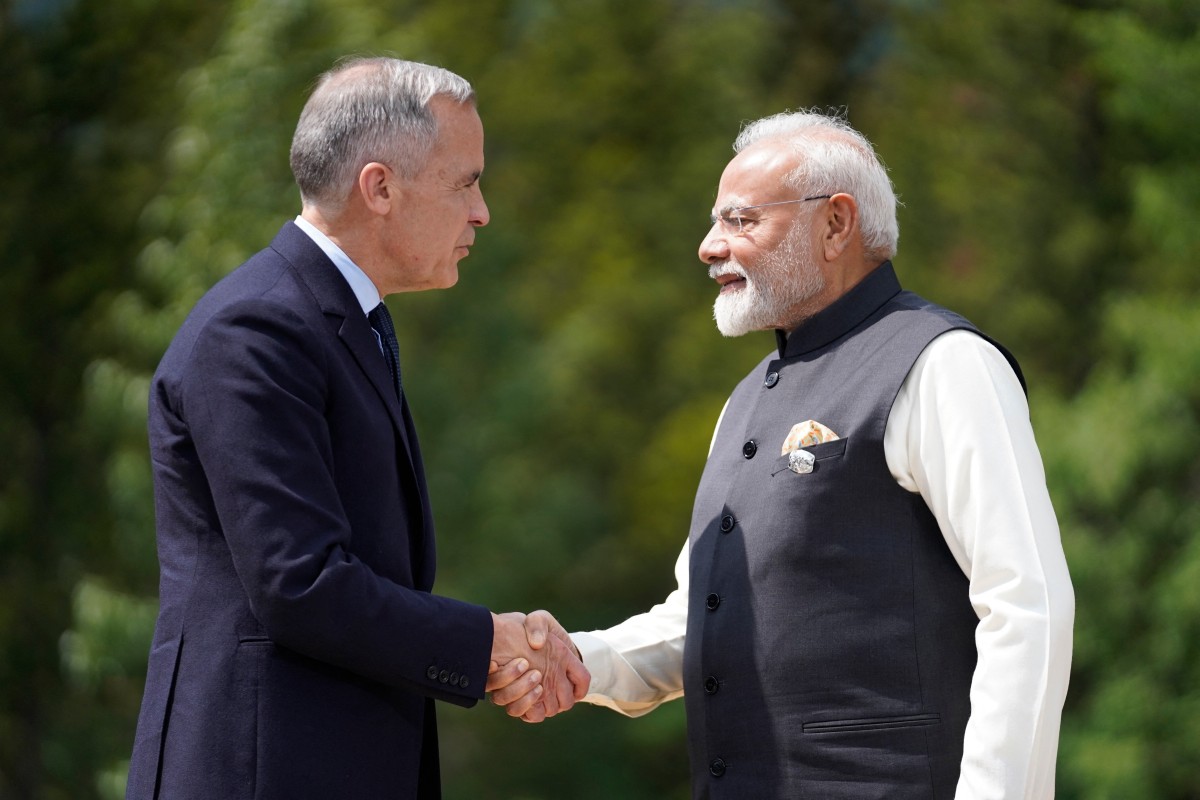
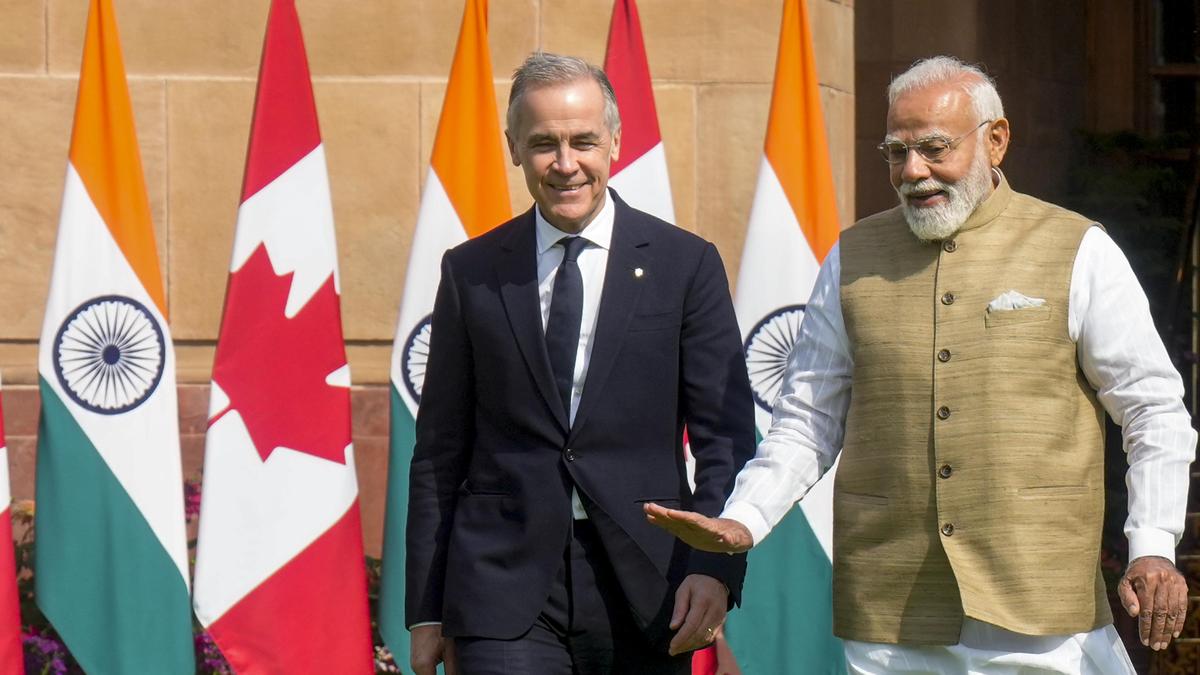
In March 2026, India and Canada officially restarted CEPA negotiations after finalising the agreement's Terms of Reference. The framework was exchanged by India's Commerce and Industry Minister Piyush Goyal and Canada's International Trade Minister Maninder Sidhu in the presence of Prime Minister Narendra Modi and Prime Minister Mark Carney.
Ambitious Trade Target
Both countries have set an ambitious goal of increasing bilateral trade to $50 billion by 2030, compared with approximately $23.66 billion recorded in 2024.
Merchandise trade, however, remains relatively modest. During 2025–26, two-way goods trade declined 8.22 percent to $7.95 billion, down from $8.66 billion the previous year.
India's exports to Canada increased to $4.67 billion, while imports from Canada fell to $3.28 billion, creating a larger trade surplus for India.
Officials believe a successful CEPA would not only reduce tariffs but also improve market access, strengthen supply chain integration, and remove long-standing barriers affecting businesses in both countries.
Opportunities for India
Canada's market of more than 41 million people and a purchasing power parity-adjusted GDP of approximately $2.34 trillion offers significant opportunities for Indian exporters.
India's major exports to Canada include pharmaceuticals, engineering goods, electronics, seafood, chemicals, iron and steel products, garments, and gems and jewellery.
The pharmaceutical sector is expected to benefit considerably from improved market access, while India's information technology and business services industries also see strong growth potential.
The presence of a large Indian-origin community and more than 425,000 Indian students in Canada is also viewed as a strong foundation for expanding economic ties.
Canada's Priorities
Canada is seeking greater access to India's rapidly growing economy, particularly for agricultural products, energy, minerals, fertilisers, coal, paper products, and crude petroleum.
Canadian businesses are also pushing for stronger investment protections and improved access to India's services and manufacturing sectors.
Investment ties between the two countries remain substantial. Canadian foreign direct investment in India exceeds $4 billion, while Canadian portfolio investments in Indian financial markets have surpassed $75 billion.
Political Trust Remains Key
While both governments have expressed optimism following the latest negotiations, analysts say political stability and sustained diplomatic engagement will be essential to successfully conclude the agreement.
For India, CEPA forms part of a broader strategy to diversify trade partnerships alongside negotiations with the United Kingdom, European Union, Oman, New Zealand and the European Free Trade Association (EFTA).
Canada, meanwhile, is looking to reduce its heavy dependence on the United States by strengthening trade with fast-growing economies such as India.
If successfully concluded, CEPA could become the most significant milestone in India–Canada economic relations in over a decade. However, translating diplomatic progress into sustained business growth will remain the ultimate test of the renewed partnership.
According to Firstpost.