
After Losing Both Feet, Ukrainian Soldier Survives for More Than Eight Months in a Tiny Hideout Beneath Rubble—The Incredible Story of Kostyantyn Vlasenko’s Rescue
Kharkiv, Ukraine | October 23, 2026 | The Global Journal
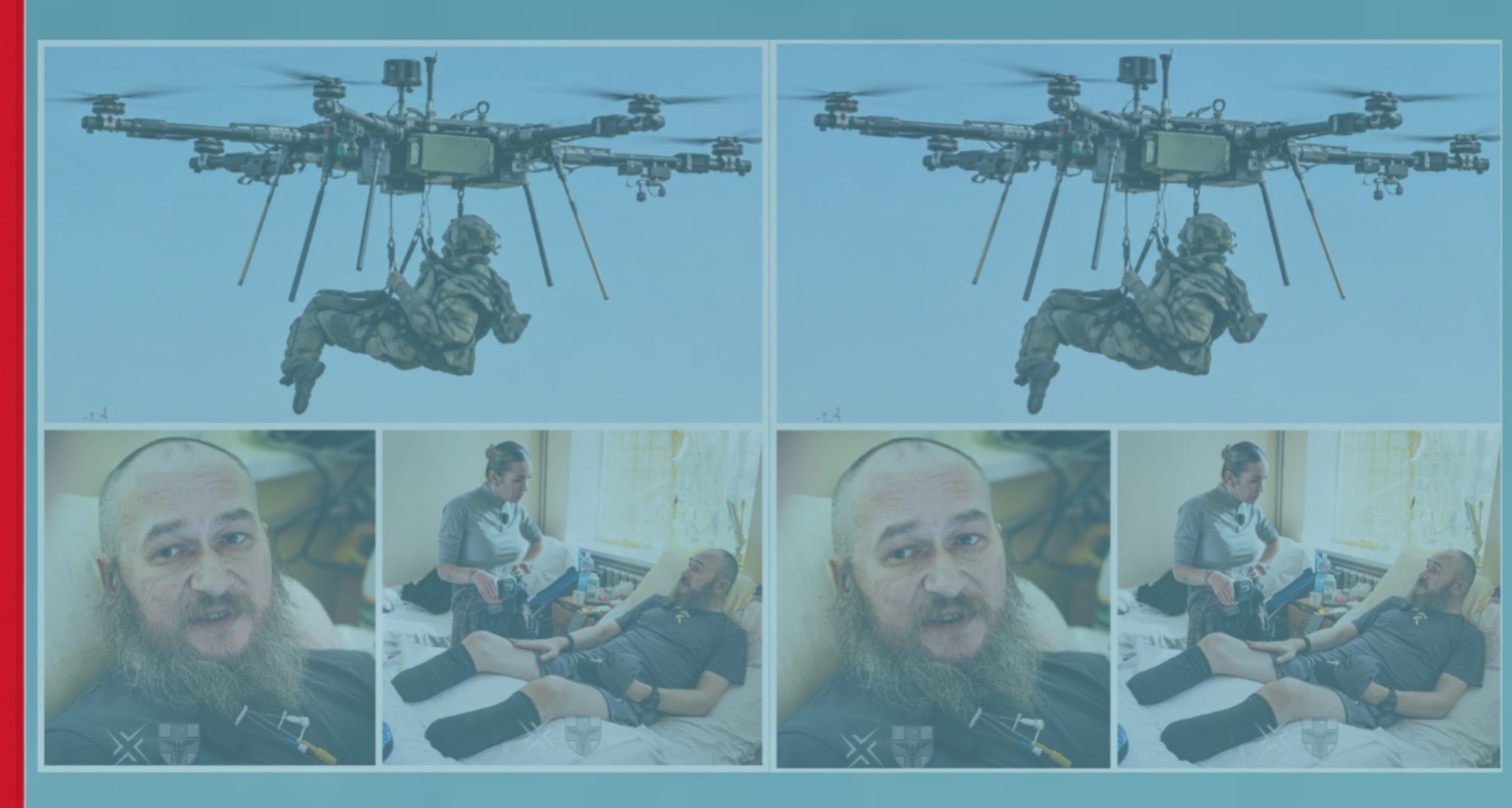
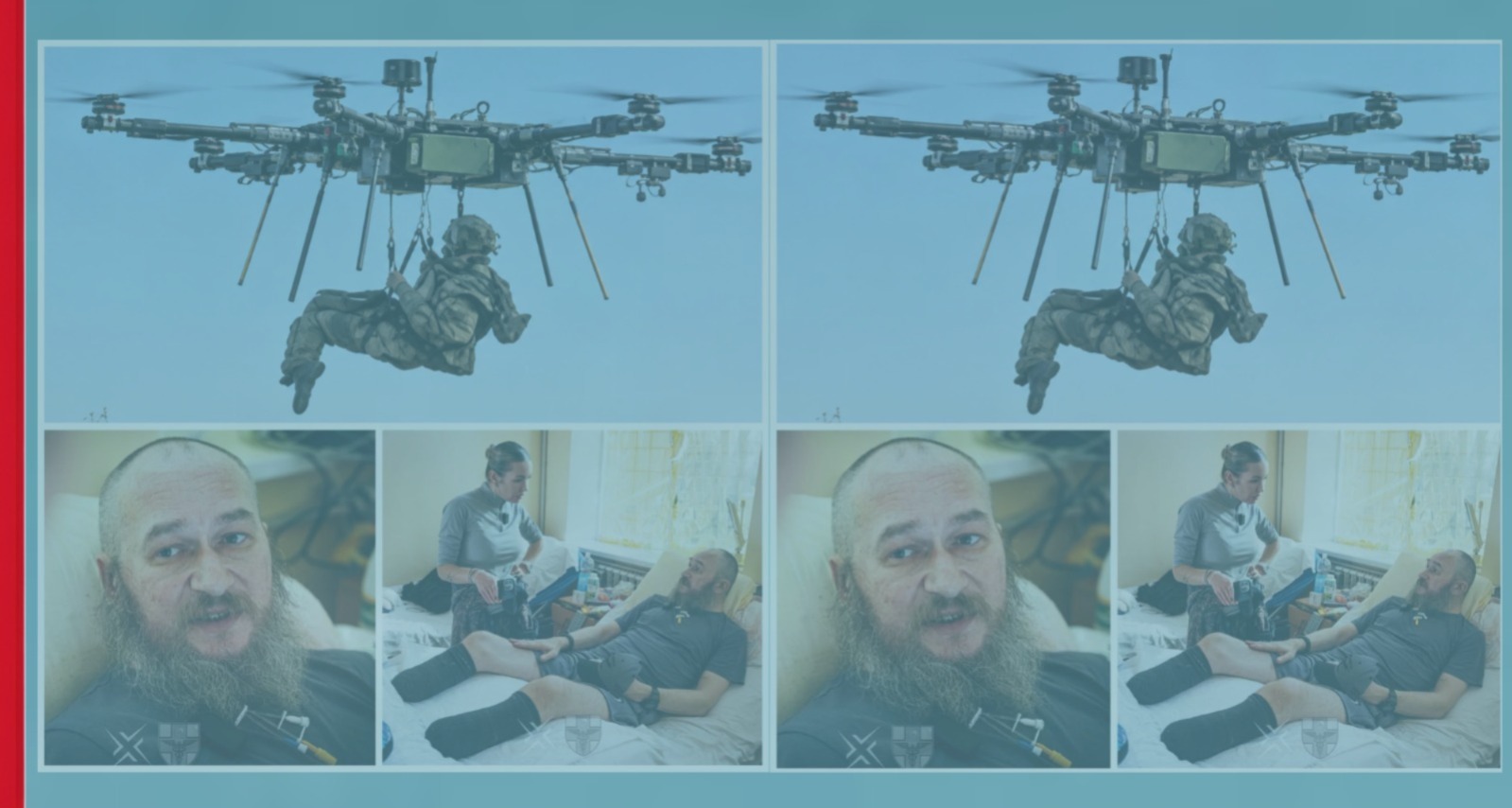
A 49-year-old Ukrainian serviceman, Kostyantyn Vlasenko, survived for more than eight months in a tiny hole beneath the boiler room of a destroyed school after losing both feet. Surrounded by enemy surveillance drones, facing the deadly risks of rescue attempts, and suffering severe injuries, he had eventually given up hope of surviving. However, on October 4, he was rescued by a heavy cargo drone. Suspended approximately 70 meters (230 feet) above the ground, he was flown nearly 15 kilometers to a safer location.
According to a Reuters report published on October 23, Ukrainian military officials described the operation as the first known rescue of a soldier by air using a drone during the Russia-Ukraine war. However, the report did not provide definitive independent confirmation of that claim.
491 Days on the Front Line
Vlasenko, a member of Ukraine’s 30th Mechanized Brigade, was deployed to a frontline position in the Kharkiv region in May last year. He was stationed there with another serviceman known by the call sign “Basky.” The two lived in a small underground bunker and received food and essential supplies delivered by drones.
However, repeated attempts to rotate or evacuate soldiers from the position ended in tragedy. According to Vlasenko, two soldiers sent to replace him were killed. Two more servicemen subsequently lost their lives while attempting to recover their bodies. The chances of escaping the area alive grew increasingly slim.
After spending approximately 10 months together, their bunker began flooding in mid-February. They were forced to seek shelter in a nearby destroyed school building.
Severely Injured in a Drone Strike, He Amputated His Other Foot Himself
When the two men ventured outside the school to collect dry clothes and a packet of food, a Russian surveillance drone spotted them. Another Russian drone then attacked, killing Basky on what was his 50th birthday.
The strike severely mangled Vlasenko’s left foot. He also sustained serious injuries to his right leg after falling. Almost unable to move, he took refuge in a small hole measuring approximately 80 by 60 centimeters beneath an old boiler in the school building.
His condition gradually deteriorated. The wound on his left foot worsened, while bones in the lower part of his right leg became exposed. Eventually, in a desperate attempt to survive, he used his own knife to amputate his right foot as well. He applied a tourniquet to control the bleeding.
Speaking to Reuters, Vlasenko explained that he had felt he had no viable alternative. Severely injured and unable to move freely, he depended on the delivery of food, water and other essential supplies to stay alive.
More Than Eight Months Trapped in a “Kill Zone”
The area where Vlasenko was trapped is known among Ukrainian troops as a “kill zone.” With surveillance and attack drones constantly operating overhead, evacuating an injured soldier by pickup truck or armored vehicle had become extremely dangerous.
Ukrainian forces attempted to reach him using unmanned ground vehicles. However, two vehicles sent toward his hiding place were destroyed by Russian drone strikes before they could reach him.
An official involved in planning the rescue, identified by the call sign “Alex,” said that at one point the team had begun to doubt whether Vlasenko could ever be brought out alive.
Then they identified a heavy cargo drone developed by the local company Gurzuf Defense. According to the report, the drone has six vertical rotors and can carry a maximum payload of approximately 90 kilograms over a distance of up to 25 kilometers.
Rescued While Suspended 70 Meters Above the Ground
In early October, a special safety harness and a phone containing instructional video footage were delivered to Vlasenko along with his regular supplies. He realized that a rescue operation was being planned.
The operation took place on October 4. Vlasenko secured himself to the harness attached to the drone’s winch using a carabiner. The enormous drone then lifted him approximately 70 meters, or 230 feet, above the ground.
Three additional smaller six-rotor drones were deployed to protect the main aircraft. Ukrainian FPV drone teams, artillery and larger fixed-wing drones also conducted operations against known Russian drone positions for approximately two hours. The objective was to prevent potential attacks and create a safer corridor for the evacuation.
After overcoming the dangers, the drone carrying Vlasenko reached a secure destination following a flight of approximately 15 minutes. For security reasons, the Ukrainian military did not disclose the exact location.
From the Brink of Death to Safety
Following his rescue, Vlasenko was taken to a hospital in Kharkiv, northeastern Ukraine, where he described his ordeal while receiving treatment. The amputated ends of both legs were still wrapped in bandages.
He said that he had once considered himself as good as dead and believed there was no longer any hope of survival.
Even during the aerial evacuation, however, fear remained with him. His greatest concern was the possibility of falling into water. Vlasenko explained that he was particularly frightened of that prospect because he could not swim.
Reuters reported that Vlasenko’s account was consistent with footage recorded by the rescue drone’s onboard camera and information provided by the Ukrainian military. However, the news agency said it could not independently verify every detail of his account.
The use of drones for surveillance, attacks and supply missions has become increasingly important in the Russia-Ukraine war. Vlasenko’s rescue demonstrates how heavy cargo drones could create new possibilities for evacuating injured soldiers from battlefields that conventional vehicles can barely reach.
Nevertheless, such operations remain dangerous. Payload capacity, weather conditions, enemy attacks and the physical condition of the person being rescued all play crucial roles in determining whether an evacuation succeeds.
Source: Reuters