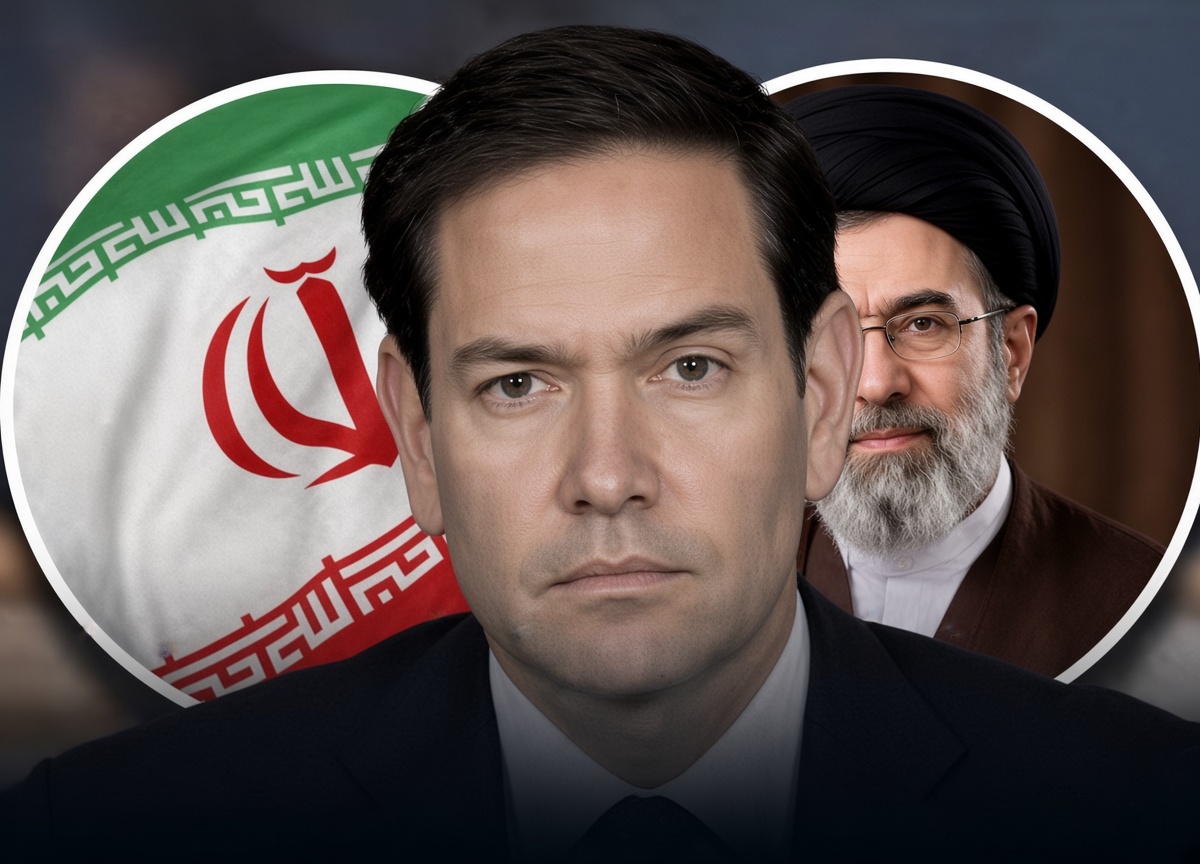

Iran’s Alleged Plots to Assassinate Top US Diplomats and Officials Abroad Reach Advanced Stages, Intelligence Memo Warns Rubio
Washington, United States | October 24, 2026 | The Global Journal
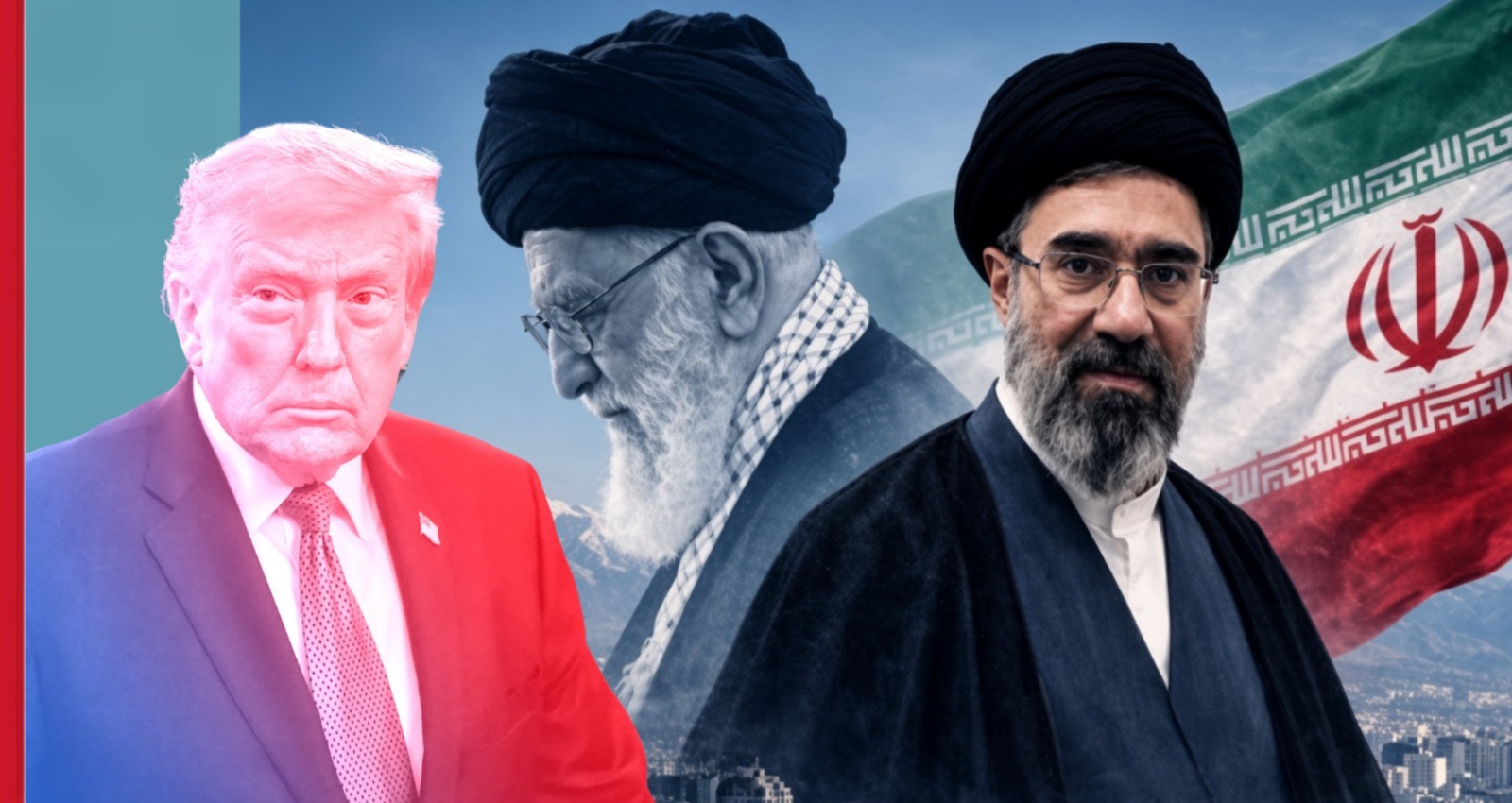
The United States has warned that Iran’s efforts to target American diplomats and government officials abroad have increased significantly. A US intelligence memorandum reportedly states that several alleged assassination plots have reached advanced stages. The warning comes as Washington moves to reduce staffing at diplomatic missions in several West Asian countries, raising concerns about a fresh escalation in tensions between Washington and Tehran.
According to a report by the American news outlet Axios, a one-page, unclassified intelligence memorandum dated October 23 warned US Secretary of State Marco Rubio about the alleged threat. The document, sent by Director of National Intelligence Jay Clayton, emphasized the need to share information about potential threats with a wider group of American officials.
However, the memorandum did not identify specific individuals allegedly targeted, the countries involved, or details of the suspected operations. As a result, the precise scope of the allegations and the stage of any potential operations remain unclear.
US Scales Back Diplomatic Presence in West Asia Amid Security Concerns
Amid the intelligence warning, the United States is moving to limit its diplomatic presence in several West Asian countries, including Saudi Arabia.
According to reports, earlier this week Washington ordered family members of personnel and nonessential staff to leave the US Embassy in Riyadh and the American consulates in Jeddah and Dhahran.
On Friday, a US official said further reductions in diplomatic and government personnel had been ordered at American embassies in the United Arab Emirates, Lebanon, Qatar and Jordan.
According to the official, concerns about alleged Iranian plots, alongside the threat of possible attacks by Yemen’s Iran-backed Houthi rebels, were among the reasons for the decision.
American officials fear that the Houthis could expand their campaign beyond Saudi Arabia and target other countries across West Asia, potentially further complicating an already volatile regional security environment.
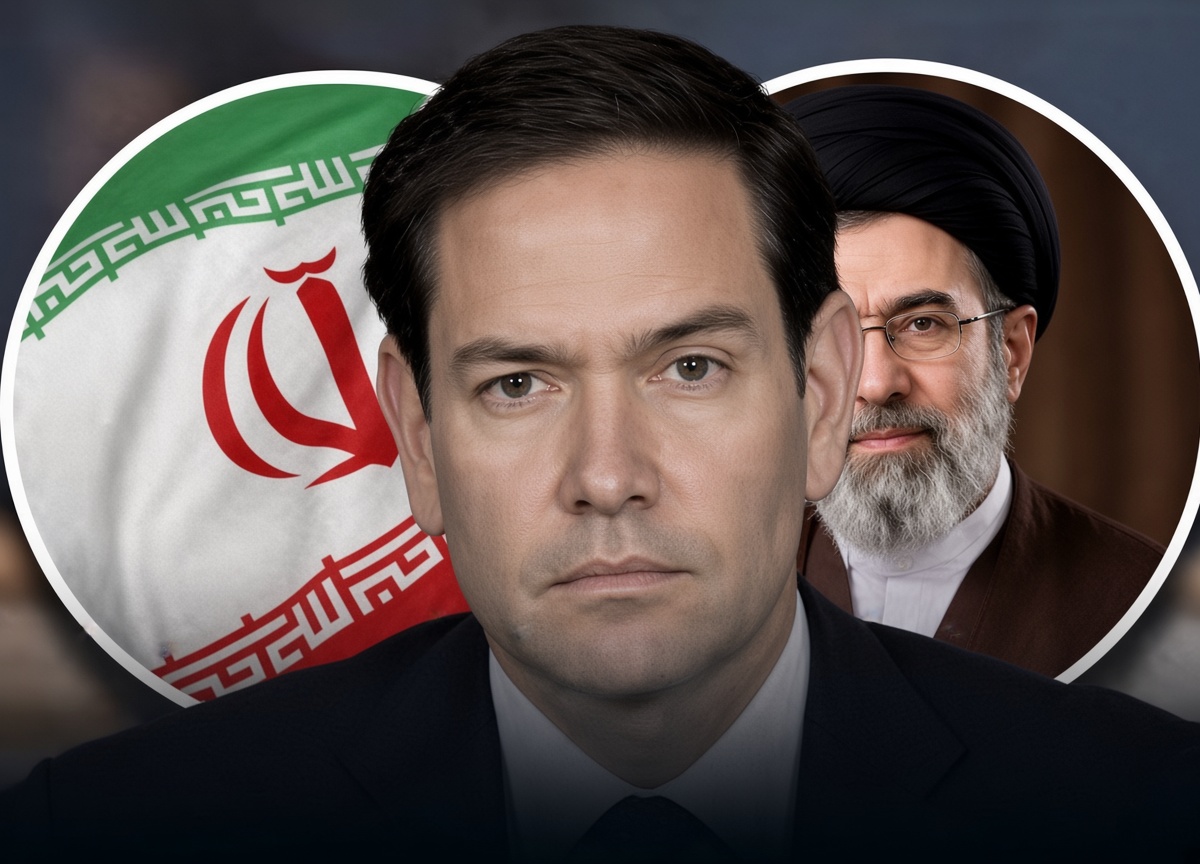
Trump Warns of Possible New Military Action Against Iran
Alongside concerns over diplomatic security, the possibility of renewed US military action against Iran has also come into focus. US President Donald Trump has warned that Washington could launch another military operation if Tehran fails to reach an agreement with the United States.
Speaking at a rally in Florida on Friday, Trump said the United States could launch “another little Operation Epic Fury,” or Iran could agree to a deal.
He urged Iran to engage in negotiations and pursue an agreement, while expressing doubt that the country’s leadership would take that course.
Trump also referred to Operation Midnight Hammer, the US military operation targeting Iranian nuclear facilities. In discussing the operation, he claimed that Washington had severely damaged Iran’s uranium-enrichment capabilities.
Fears Grow of Renewed Confrontation Between Washington and Tehran
The intelligence warning, reductions in US diplomatic staffing across West Asia, and Trump’s threats of further military action have heightened concerns about a possible new confrontation between the United States and Iran.
However, this report does not include any Iranian response to the allegations of assassination plots. The absence of specific targets and operational details in the intelligence memorandum also makes it difficult to independently assess the full scope of the claims.
The evolving security situation in West Asia, the protection of American diplomatic missions, and the future of negotiations between Washington and Tehran could prove decisive in determining how tensions develop.