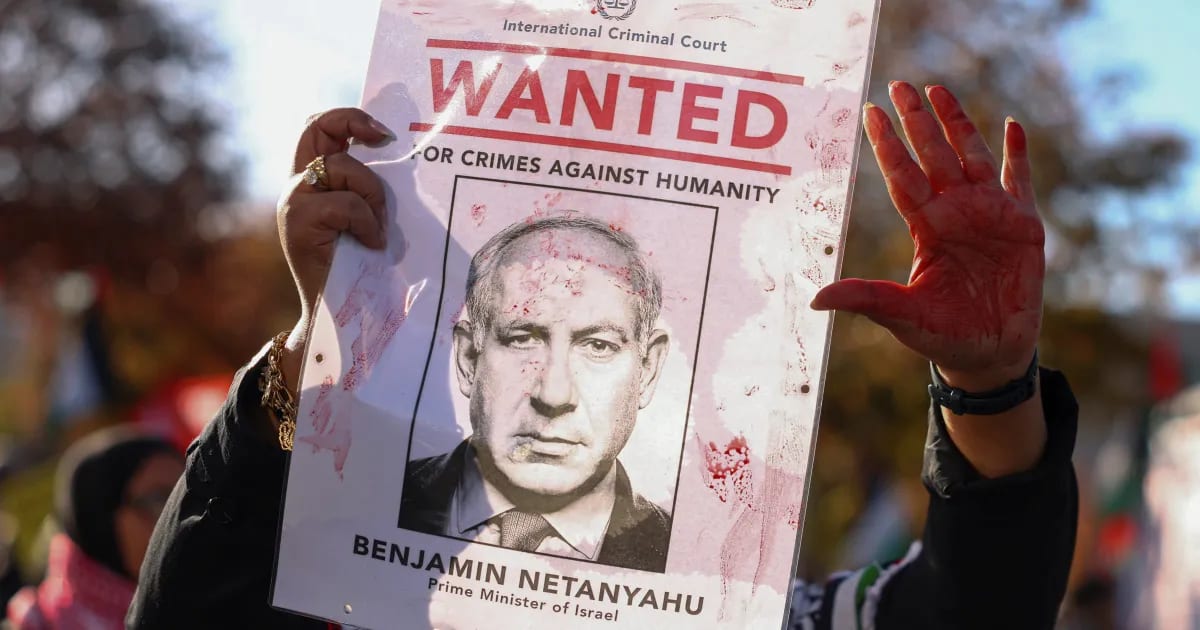

European Condemnation of Prime Minister Netanyahu’s Government Intensifies Ahead of Israel’s Upcoming Election
Tel Aviv, Israel | October 18, 2026 | The Global Journal
European criticism of Israeli Prime Minister Benjamin Netanyahu’s government is intensifying ahead of Israel’s upcoming national election. Israel’s military campaign in Gaza, the humanitarian crisis facing Palestinians, the expansion of Israeli settlements in the occupied West Bank, and violence by settlers have put long-standing relations between Israel and Europe under growing strain. However, analysts say there is little guarantee that a change of government after the October 27 election will bring significant improvements in the situation of Palestinians.
Relations between Europe and Israel were once widely portrayed as an example of close friendship and strategic partnership. On April 23, 2023, marking Israel’s 75th anniversary, European Commission President Ursula von der Leyen said Europe and Israel were bound together by friendship and alliance.
Beyond diplomacy, the two sides developed significant cooperation in sports, culture, intelligence-sharing, and the defence industry. However, Israel’s prolonged war in Gaza and the extensive destruction have deepened divisions between them.
According to an Al Jazeera analysis, at least 74,000 Palestinians have been killed in Israeli attacks on Gaza. The situation has intensified public opposition, political pressure, and diplomatic criticism of Israel across several European countries.
Why Are Relations with Europe Deteriorating?
European dissatisfaction with Israel extends beyond the war in Gaza. Settlement expansion in the occupied West Bank, attacks on Palestinians, and diminishing prospects for the establishment of a Palestinian state have also increased concerns among European governments.
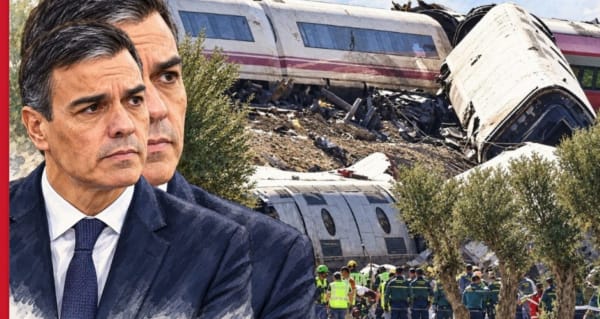
Ireland and Spain have long criticised Israeli policies toward Palestinians. At a recent United Nations General Assembly session, Irish Prime Minister Micheál Martin said Israel’s actions in Gaza would “shame the world.” Spanish Prime Minister Pedro Sánchez also unequivocally condemned what he described as genocide in Gaza.
The United Kingdom has adopted a tougher position on Israeli settlement policies. According to the report, Britain has imposed a ban on goods from illegal Israeli settlements. The British foreign secretary has also accused Israeli settlers of ethnic cleansing.
Recently, Israeli settlers reportedly attacked Belgian, French, and Polish diplomats and officials who were visiting Palestinian olive harvesters near the village of Taybeh in the occupied West Bank. The incident came a day after an American journalist was reportedly attacked north of Ramallah. Both incidents drew international condemnation.
Israel’s participation in European cultural and sporting events has also become controversial. The Al Jazeera report refers to several countries withdrawing from the Eurovision Song Contest and some European footballers refusing to play against Israeli teams.
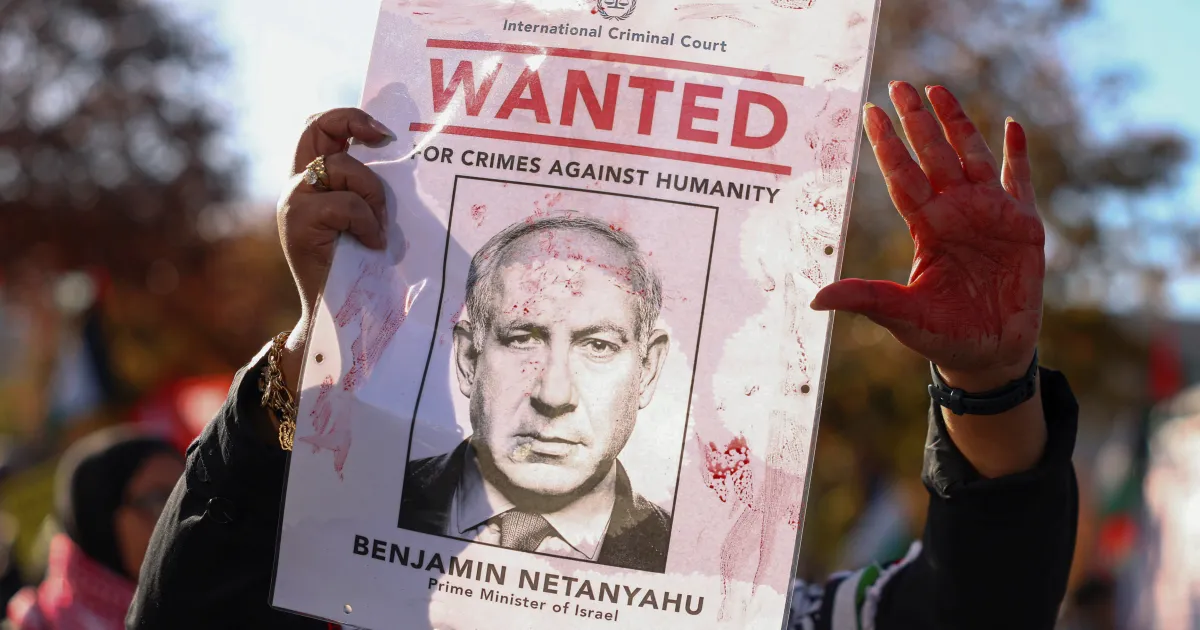
What If Netanyahu Returns to Power?
Yossi Mekelberg, a Middle East analyst at Chatham House, believes that if Netanyahu forms another government with far-right parties, the damage to Israel’s relations with Europe could deepen further. He has warned that some consequences of the current government’s policies could prove irreversible.
Nicola Perugini, a senior lecturer in international relations at the University of Edinburgh, has warned that if Netanyahu, who is subject to an International Criminal Court (ICC) arrest warrant, returns to power, Palestinians in Gaza could continue to face increasingly unliveable conditions.
However, Netanyahu’s departure would not necessarily mean a fundamental shift in Israel’s policies toward Palestinians. Gadi Eisenkot, a former military chief and leader of the centrist Yashar party, who is regarded as Netanyahu’s main challenger, has also opposed the establishment of a Palestinian state, according to the report.
A coalition involving more liberal parties could potentially slow settlement expansion, increase humanitarian assistance to Palestinians, and abandon the controversial E1 settlement plan in the occupied West Bank.
However, Julie M. Norman, an associate fellow at Chatham House, believes that such limited changes may not be enough to restore European governments’ confidence. European leaders would look for concrete progress toward Palestinian statehood and an end to the occupation.
Changing European Public Opinion on Israel
Public attitudes toward Israel across Europe also appear to be shifting. A survey by Israel’s Mitvim Institute found that 67 percent of Israelis viewed the European Union (EU) more as an adversary than a friend, while only 14 percent regarded it as a friend.
Meanwhile, according to Pew Research Center polling, the proportion of people expressing unfavourable views of Israel increased in the United Kingdom from 61 percent in spring 2025 to 69 percent in spring 2026. The figure rose from 66 to 75 percent in Italy and from 64 to 73 percent in Germany.
Neve Gordon, a professor of human rights law at Queen Mary University of London, argues that international protests and civil society movements demanding an end to the military campaign in Gaza have pressured governments to bring their positions more in line with public opinion.
Italian political scientist Nathalie Tocci also believes that mass protests in recent years have influenced European policy toward Israel. This pressure has been reflected in initiatives to recognise a Palestinian state, calls to suspend the EU-Israel Association Agreement, and restrictions on imports from illegal settlements.
Nevertheless, European countries do not share a uniform position. In countries such as Germany, one of Israel’s closest European allies, domestic debate over continued diplomatic and military support has intensified, although significant obstacles remain to changing established government policies.
Israel’s Growing Ties with Europe’s Far Right
As support for Israel declines in parts of Europe, Israel has strengthened its relationships with several far-right political groups. The two sides share some common ground on nationalism and opposition to Islam. However, historical and contemporary links between sections of Europe’s far right and antisemitism have made these relationships more complicated.
Menachem Klein, a senior lecturer at Bar-Ilan University, believes Netanyahu’s government has caused substantial damage to Israel’s relationships with friends and allies. Rebuilding those relationships, he says, will take time.
Analysts argue that Israel will need to do more than change its diplomatic rhetoric to restore relations with Europe. Progress toward a peace process and concrete steps concerning the future of Palestinians will also be necessary.
Why Is Diplomatic Isolation Not a Major Election Issue?
Israel’s election campaign has focused more on security, military operations, the cost of living, and domestic political accountability than on the country’s growing international isolation. The morality of continued military operations against Palestinians and Israel’s international standing have received comparatively less attention.
A survey published by the Israel Democracy Institute in April found that 92 percent of Jewish Israelis rated the military’s performance in the war against Iran highly. The survey also found that 80 percent supported continuing the fight against Hezbollah, even if it created tensions with Washington.
A September survey by the Jewish People Policy Institute found that 72 percent of Jewish Israelis would not accept a withdrawal to Gaza’s border without maintaining an Israeli security perimeter inside the territory.
In an article for Chatham House, Yaakov Katz, co-founder of the Middle East American Dialogue Forum, noted that Israel’s election debate has focused on weakening Hamas, reducing the military capabilities of Hezbollah and Iran, lowering living costs, investigating the security failures surrounding October 7, and drafting members of the ultra-Orthodox Jewish community into the military.
According to Katz’s analysis, Israelis are aware of international criticism, arms restrictions, growing European sanctions, recognition of Palestinian statehood, and the ICC arrest warrants. However, he argues that the October 7 attacks have profoundly shaped Israeli public opinion. As a result, many Israelis tend to interpret criticism from foreign governments as either antisemitic or uninformed.
What Lies Ahead for Europe-Israel Relations?
The October 27 election could prove significant not only for Israel’s domestic politics but also for the future direction of its relations with Europe. However, analysts suggest that a change of government alone would not necessarily create a new reality for Palestinians.
Rebuilding relations with Europe may require concrete Israeli steps on the prospects for Palestinian statehood, settlement expansion in occupied territories, humanitarian assistance, and the peace process. At the same time, continued domestic support in Israel for security-focused policies and military strength could make substantial policy changes difficult.
Ultimately, the election outcome could influence the trajectory of Europe-Israel relations. But repairing the deep divisions and bringing meaningful improvements to the lives of Palestinians will likely require more than a change in leadership. Concrete policy shifts and effective diplomatic initiatives will also be essential.
The Global Journal