
Iran Accused of Providing Extensive Support for Houthi Drone and Missile Attacks on Saudi Arabia — The Wall Street Journal
Riyadh, Saudi Arabia | October 19, 2026 | The Global Journal
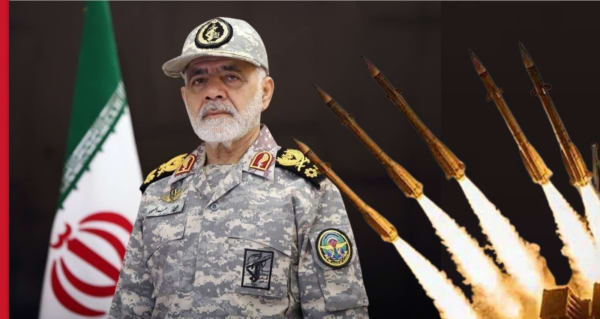
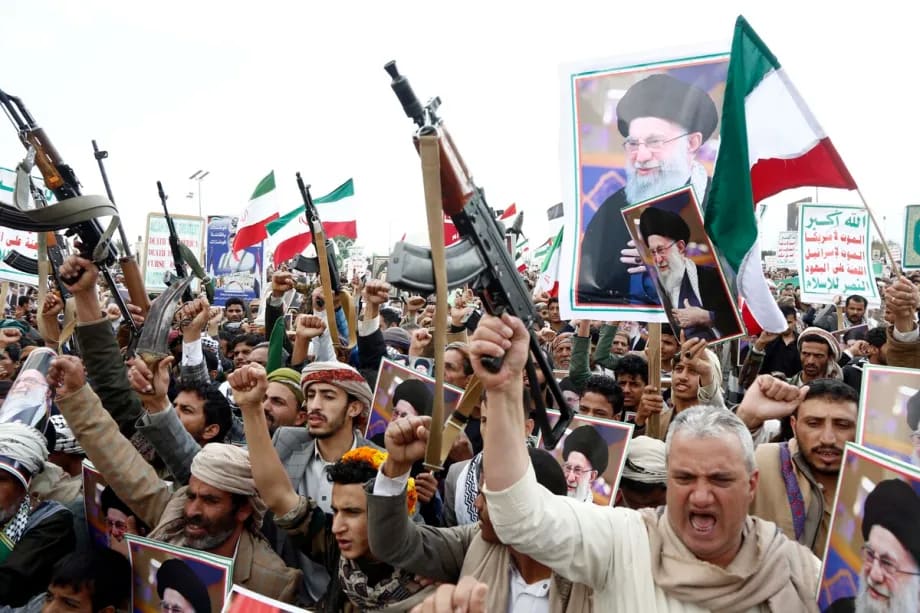
Iran has reportedly supported Yemen’s Houthi group by providing training, intelligence and tactical guidance for drone and missile attacks on Saudi Arabia, according to the American newspaper The Wall Street Journal (WSJ). The report cited individuals familiar with intelligence from Saudi Arabia and Yemen’s anti-Houthi coalition.
According to the report, Iran’s alleged assistance has contributed to strengthening the Houthis’ military capabilities and their rapid territorial advances in Yemen. Meanwhile, attacks targeting Saudi oil tankers, energy infrastructure and airports have raised fresh concerns about regional security and international trade routes.
However, the full extent of Iran’s alleged support and Tehran’s direct involvement in the attacks have not been independently established in the report. These claims should therefore be understood as allegations attributed to the cited sources and media reports.
Saudi Arabia’s Critical Infrastructure Targeted
The Wall Street Journal reported that the Houthis control strategically important sections of Yemen’s coastline along the Bab al-Mandeb Strait. The group has also reportedly attacked Saudi oil tankers, energy facilities and airports.
According to the report, an attack in the Saudi capital, Riyadh, over the previous weekend killed at least 13 people. Separately, the report cited Saudi officials as saying that at least 19 people had been killed in recent attacks across the kingdom. The different time frames and scope of these casualty figures require further verification.
The Saudi-led coalition has claimed that the Houthis carried out 20 attacks targeting King Khalid International Airport in Riyadh during October. The reported attacks have heightened concerns over aviation safety, energy security and the protection of critical infrastructure.
Allegations of Iran’s Long-Term Influence in Yemen
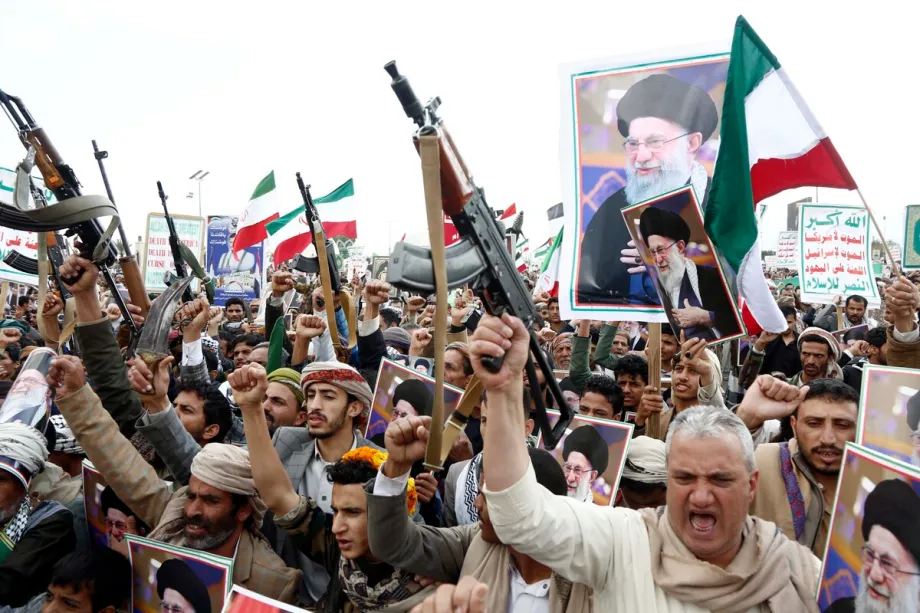
Speaking to Iran International, Baraa Shiban, a former pro-democracy activist in Yemen and an associate fellow at the Royal United Services Institute (RUSI) in London, alleged that Iran had spent years expanding its influence in Yemen through Hezbollah operatives and Islamic Revolutionary Guard Corps (IRGC) personnel.
Shiban, who participated in Yemen’s 2011 uprising and later engaged in negotiations with the Houthis, said Tehran’s involvement in Yemen began long before the group emerged as a major regional force.
He said young Yemenis who participated in the Arab Spring were invited to conferences in Lebanon under the pretext of discussing democratic reform. According to his account, some activists came into contact with Hezbollah members at these events and were subsequently introduced to Iran’s revolutionary ideology.
Shiban also alleged that several activists were connected with an IRGC officer operating under the alias “Abu Hadi.” According to his account, the officer was Hassan Irlu, who became Iran’s ambassador to the Houthi authorities in Sanaa in 2020. The United States had identified Irlu as an official of Iran’s Quds Force. He died in December 2021.
According to Shiban, Hezbollah initially played a prominent role in these activities, while the involvement of IRGC personnel became more visible later. However, Iran International could not independently verify the full extent of the recruitment and influence-building activities he described.
A Strategy to Increase Economic Pressure on US Allies?
In Shiban’s assessment, the Houthi attacks on Saudi Arabia may represent another phase in the wider regional conflict. He argued that Tehran was using the Houthis as part of a strategy to increase economic pressure on US allies.
He also described the Houthis as a strategic asset that Iran could use against regional adversaries when necessary. However, the group has its own political and military objectives, including consolidating its control over Yemen and pressuring Riyadh to end its support for rival Yemeni forces.
Although Iran and the Houthis may share certain interests, their decisions and military activities should not automatically be treated as identical.
Alleged Rejection of Talks in Oman
According to the report, Saudi Arabia said the Houthis had rejected an invitation to participate in negotiations in Oman in July. Saudi Deputy Foreign Minister Rayed Krimly said Riyadh had sought talks to resolve outstanding differences before the conflict escalated further.
Yemen analyst Fatima Alasrar commented on X that Tehran’s strategic calculations may have influenced the Houthis’ reluctance to negotiate. She warned that Iran could retain strategic leverage around the Bab al-Mandeb Strait even if it reached an agreement with the United States over the Strait of Hormuz.
However, the Houthis’ own explanation for declining the invitation, along with the full positions of the parties involved, should also be considered.
Growing Concerns Over the Bab al-Mandeb Strait
Located between the Red Sea and the Gulf of Aden, the Bab al-Mandeb Strait is one of the world’s strategically important maritime routes. Any disruption to shipping through this passage could affect cargo transportation and energy supplies between Europe, Asia and the Middle East.
According to Shiban, Iran may be considering ways to exert pressure around the Bab al-Mandeb Strait after observing the strategic leverage it gained from disruptions involving the Strait of Hormuz. This remains his analysis, rather than an established statement of Iran’s official policy.
The report also said that a Houthi missile strike on the presidential palace compound in Aden killed five people, according to Yemeni authorities. Fighting and displacement have reportedly intensified around Taiz as the Houthis have made advances in the area.
Potential Consequences for Regional Security
Continued attacks on Saudi Arabia could increase pressure on Gulf security, energy infrastructure, aviation and international maritime trade. They could also further complicate the existing disputes involving Saudi Arabia, Iran, the Houthis and Yemen’s internationally recognized government.
Shiban argued that a prolonged conflict could increase economic pressure on Gulf states and strain their relations with Washington. However, the future course of the conflict will depend on the military decisions of the parties involved, diplomatic initiatives and the wider regional security situation.
Overall, the Houthi attacks on Saudi Arabia and allegations of Iranian assistance highlight the risk of a broader regional escalation. Independent verification of these claims, accurate casualty figures and developments in diplomatic efforts will remain important to assessing the situation.
Sources: The Wall Street Journal (WSJ), Iran International, and Saudi and Yemeni sources cited in the reports.