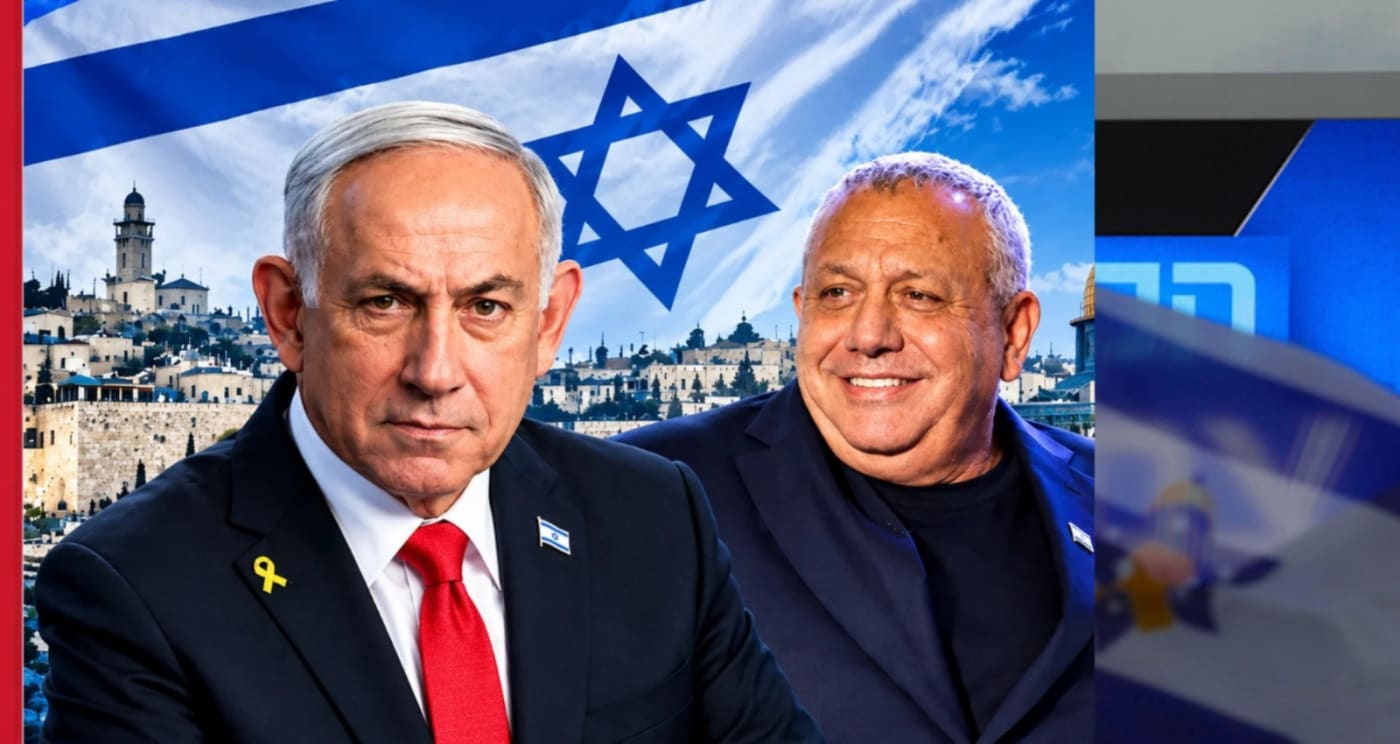

Netanyahu Bloc Falls Short of Majority in Israel Election as Rival Gadi Eisenkot Calls for Political Change
Jerusalem, Israel | October 28, 2026 | The Global Journal
Israel’s national election has left the country facing political uncertainty, with exit polls suggesting that neither bloc has secured the majority needed to form a government. The alliance led by Prime Minister Benjamin Netanyahu and the opposition camp headed by Yashar Party leader and former military chief Gadi Eisenkot are locked in a close contest, with neither side emerging as a clear winner.
According to a Reuters report published on Wednesday (October 28), Netanyahu has called for the formation of a strong right-wing national government, while Eisenkot has argued that Netanyahu lacks a fresh electoral mandate and should step away from politics.
Exit Polls Point to a Deadlock Over the Majority
Exit polls released after Tuesday’s election offered differing projections of the distribution of seats. Surveys by Kan 11 and Channel 13 projected 51 seats each for Netanyahu’s bloc and the opposition camp. Channel 12, meanwhile, projected 52 seats for the bloc led by Netanyahu’s Likud Party and 49 for the opposing camp.
Israel’s 120-seat parliament, the Knesset, requires the support of at least 61 members to form a government. None of the exit polls therefore indicated that either bloc could govern with a majority on its own. The final distribution of seats could still change as the official vote count progresses.
Netanyahu Calls for a Strong Right-Wing Government
Speaking to supporters at Likud’s election headquarters in Jerusalem, Netanyahu highlighted Israel’s military achievements and stressed the need for what he described as a “strong right-wing national government.”
He also appeared to signal the possibility of further military action against Iran in coordination with U.S. President Donald Trump. Netanyahu’s remarks placed national security and the perceived threat from Iran at the center of his political message.
However, the exit poll projections suggest that his bloc could face a difficult task in securing the support required to form the next government. If the projections hold, Netanyahu may need to negotiate with smaller parties to reach the 61-seat threshold.
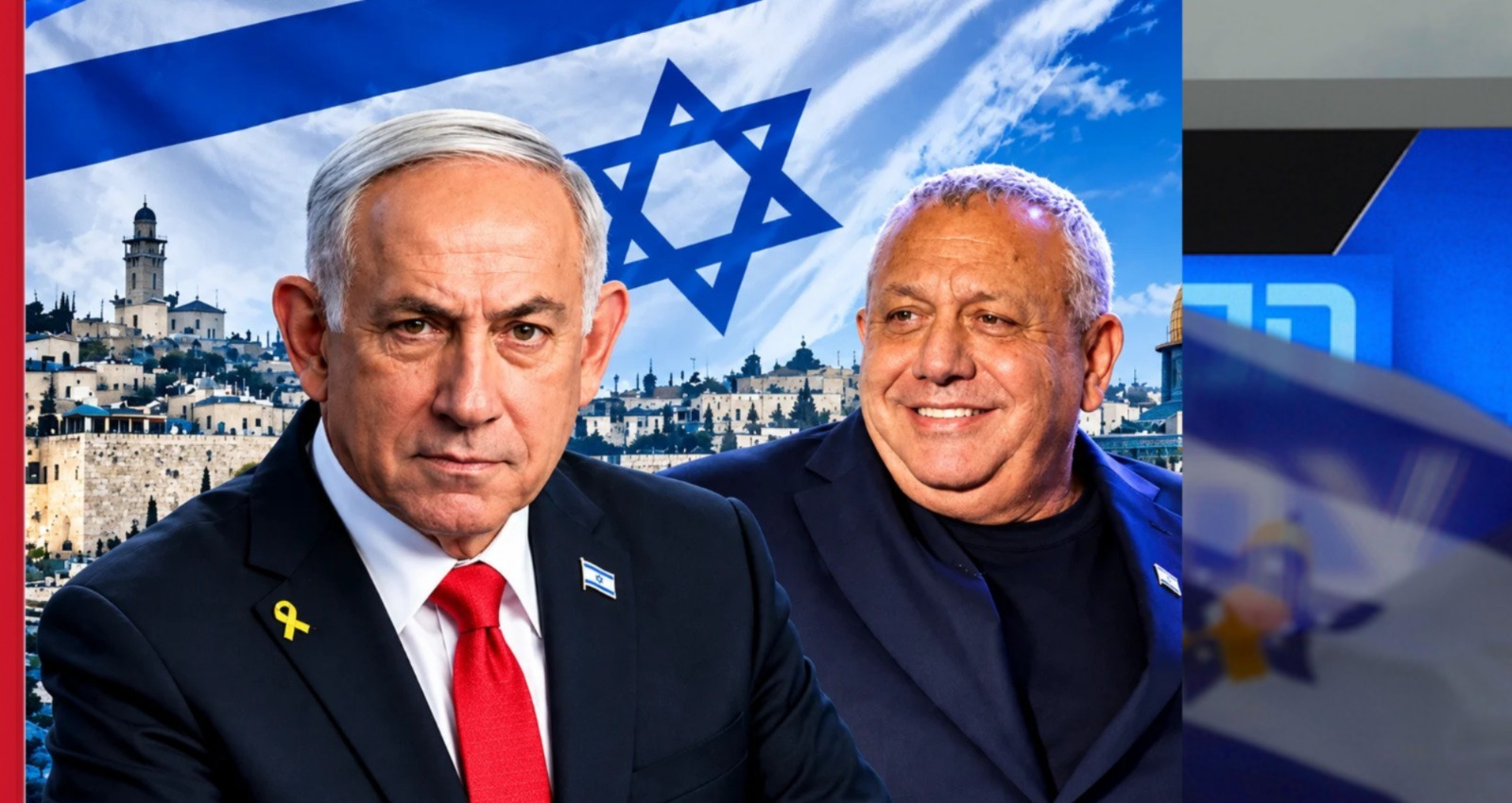
Eisenkot Says Netanyahu Lacks a Fresh Mandate
Eisenkot, leader of the Yashar Party, argued that the election results reflected a crisis of public confidence in Netanyahu’s leadership. He called on the prime minister to retire from politics.
According to Eisenkot, Netanyahu may continue serving as caretaker prime minister, but he does not have a fresh electoral mandate. Eisenkot also stressed that national security should not be used for political purposes and called on those responsible for the country’s security to prioritize national interests.
Despite his challenge to Netanyahu, Eisenkot’s opposition camp also faces difficulties in assembling the support needed to form a government. The gap between its political claims and its ability to secure a parliamentary majority remains a key issue.
Smaller Parties Could Play a Decisive Role
In Israel’s fragmented political system, smaller parties could become crucial to government formation. Exit polls projected that far-right religious parties led by Itamar Ben-Gvir and Bezalel Smotrich could collectively win around 13 seats.
Arab parties outside the two main blocs could also influence the coalition arithmetic. However, Eisenkot has largely ruled out forming a government with Arab parties, potentially making it more difficult for his camp to secure a parliamentary majority.
High Voter Turnout and Security Dominate the Election
According to Israel’s Central Elections Committee, voter turnout reached 77.7 percent, reportedly the highest level in more than two decades. Turnout was also higher than in the 2022 election.
Security policy and government accountability have been central issues since Hamas’s October 7, 2023, attack on Israel. The conflicts involving Gaza, Hezbollah in Lebanon and Iran have also shaped the wider debate over the country’s security priorities.
Netanyahu has presented his military policies as efforts to protect Israel. Critics, however, have questioned his government’s failure to prevent the October 2023 attack and demanded accountability for its subsequent handling of the war.
Eisenkot, a former military chief who lost one son and two nephews in the Gaza war, has also emphasized security in his political platform while presenting himself as an alternative to Netanyahu’s leadership.
Prolonged Coalition Talks or Another Election
Although the exit polls point to a setback for Netanyahu’s bloc, they do not establish Eisenkot’s camp as the clear winner. Yohanan Plesner, president of the Israel Democracy Institute, also described the projections as a major blow to Netanyahu’s bloc while cautioning that the final results could differ.
If neither side secures the necessary majority after the votes are counted, coalition negotiations with smaller parties could continue for weeks or even months. If political leaders fail to reach an agreement, the possibility of another election could emerge. Netanyahu may meanwhile continue serving as caretaker prime minister.
Israel’s high voter turnout and close contest between the two main camps have raised the prospect of political change. However, the leadership of the next government will depend on the final seat count, the positions of smaller parties and the outcome of coalition negotiations.
Source: Reuters.