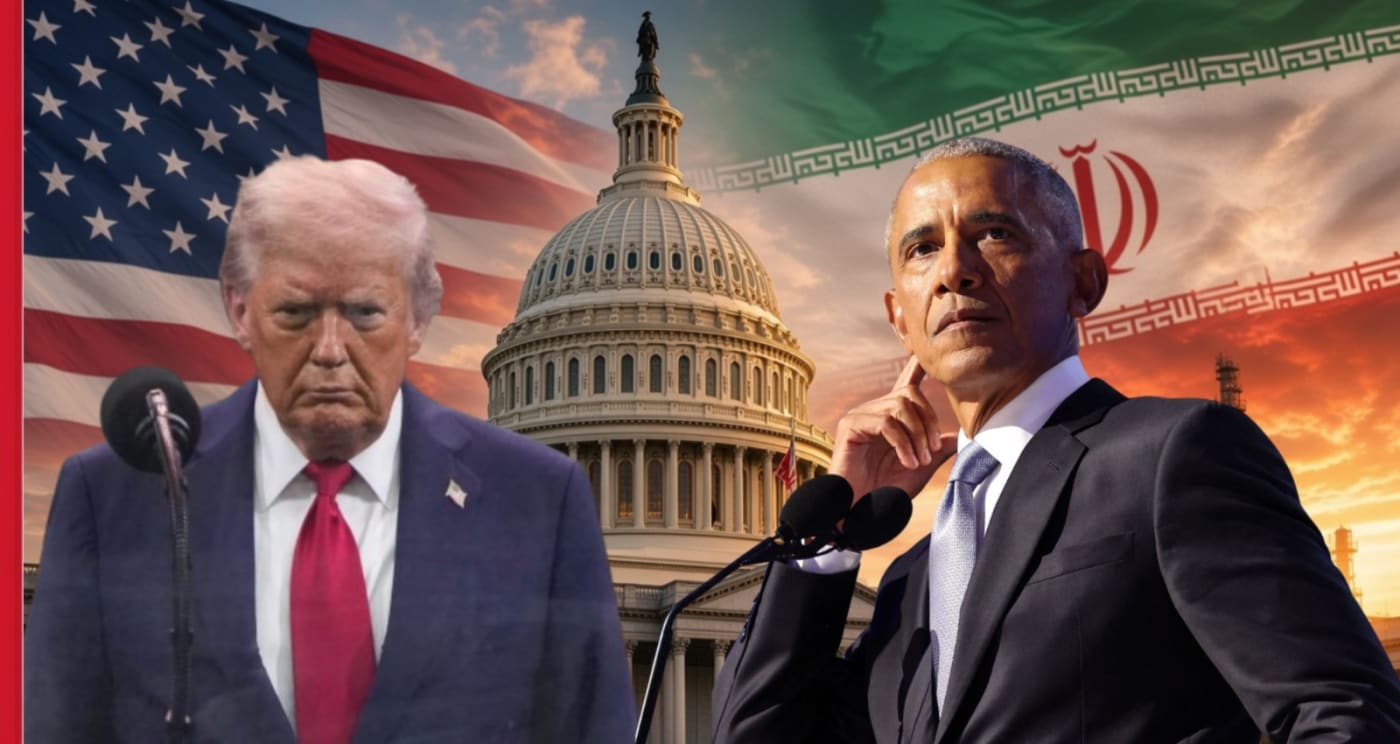
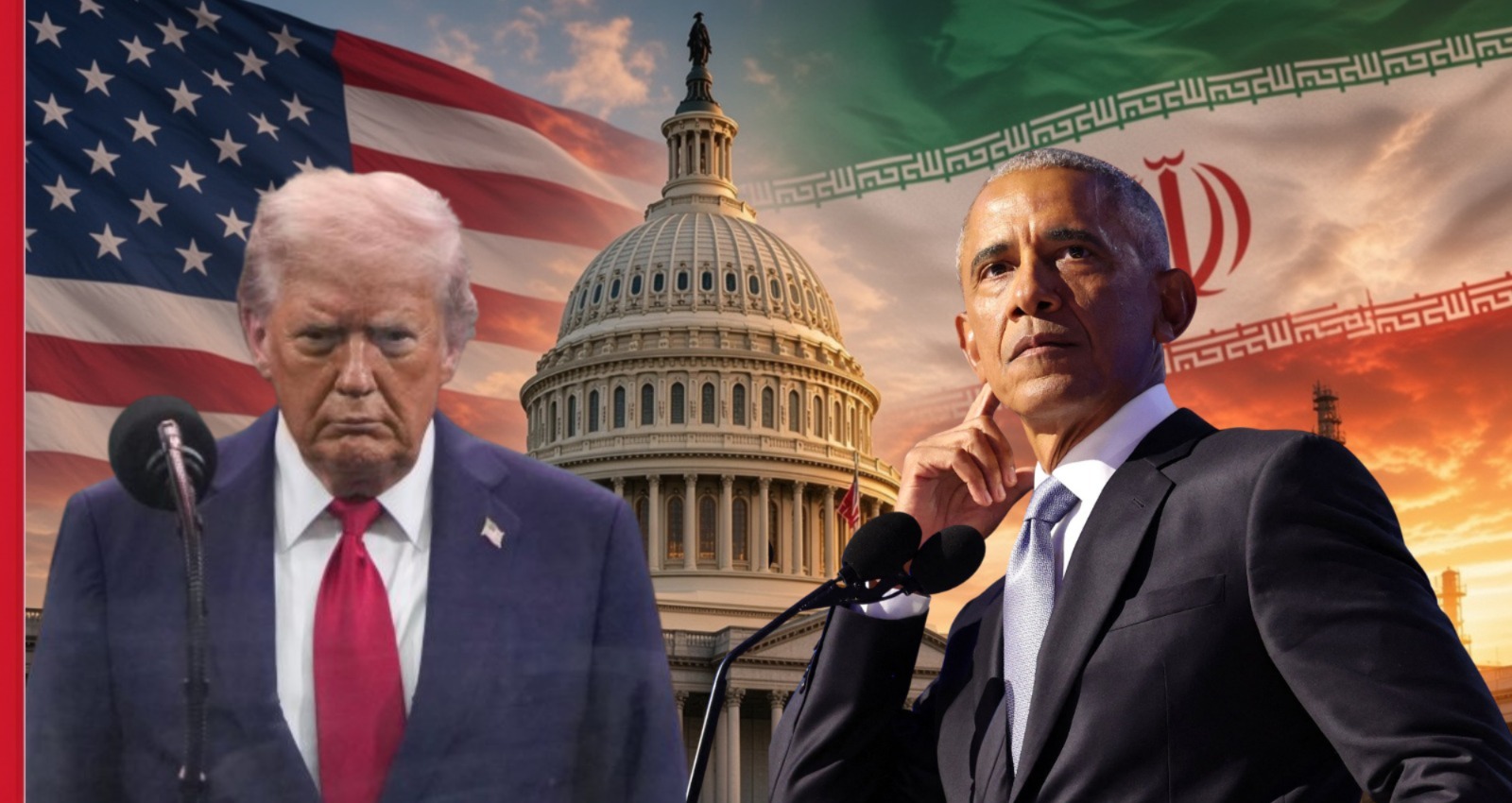
‘Trump Has Put the United States at Greater Military and National Security Risk by Engaging in an “Unnecessary” War Against Iran,’ Says Former President Barack Obama
Morrow, Georgia, USA | October 29, 2026 | The Global Journal
Former US President Barack Obama has said that the war against Iran has left the United States facing greater military and national security risks than before. He claims that US allies and military bases have come under attack, American service members and civilians have been killed or injured, and stocks of critical missiles have declined. He also argued that Iran has gained greater leverage over the strategically important Strait of Hormuz, with consequences for international energy markets.
Obama made the remarks on Wednesday, October 28, while addressing an election rally in Morrow, Georgia, in support of Democratic candidates. With the US midterm elections scheduled for November 3, he sharply criticised President Donald Trump’s decision to launch the war against Iran. According to Al Jazeera, Obama described the conflict as unnecessary and questioned its strategic and economic consequences.
‘Iran’s Nuclear Programme Was Brought Under Control Through Diplomacy’
Questioning the Trump administration’s justification for military action against Iran, Obama referred to the nuclear agreement negotiated during his presidency. He argued that diplomacy, rather than military strikes, had been used to place limits on Iran’s nuclear programme.
Obama said Iran did not have nuclear weapons and that the agreement reached with Tehran in 2015 under his administration had imposed restrictions on its nuclear activities. He stated, “I didn’t have to fire a single missile. I chose diplomacy.”
The 2015 agreement, formally known as the Joint Comprehensive Plan of Action (JCPOA), imposed limits on Iran’s nuclear activities and established international monitoring arrangements. In return, certain sanctions against Iran were to be eased. Obama criticised Trump’s decision to withdraw the United States from the agreement.
Concerns Over Declining Missile Stockpiles
Highlighting the military costs of the conflict, Obama said US allies and military bases had come under attack, while American citizens had been killed or wounded. He argued that the depletion of missile stockpiles was putting additional pressure on the United States’ future military readiness and defensive capabilities.
“Our allies and military bases have been attacked. Americans have been killed, and hundreds of Americans have been wounded. Our missile stockpiles have been depleted, putting us at greater risk,” Obama said, according to the account of his remarks.
His comments raised concerns not only about the immediate consequences of military operations but also about the long-term readiness of the US armed forces. However, he did not provide specific figures showing how much missile inventory had been depleted or quantify the resulting impact on America’s overall military capabilities.
Iran’s Leverage Over the Strait of Hormuz and Rising Energy Prices
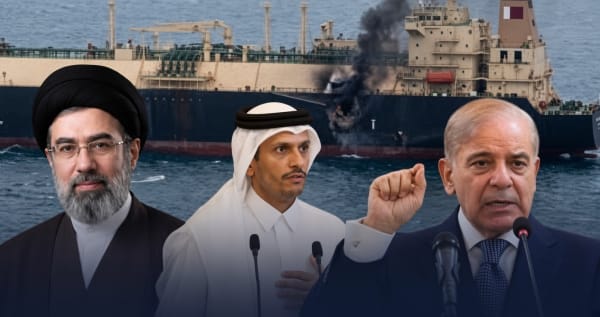
Another major focus of Obama’s remarks was the situation surrounding the Strait of Hormuz. Located between the Persian Gulf and the Gulf of Oman, the strategic waterway is a major route for global energy shipments. Disruptions to shipping through the strait can put pressure on international oil supplies and energy markets.
Obama argued that the war had effectively given Iran greater leverage over the strait, enabling Tehran to exert pressure on global energy transportation. He linked the conflict to rising oil prices, saying, “That’s why oil prices have gone up.”
According to Obama, the consequences of the war extend beyond the military sphere. Higher energy prices can increase the cost of transportation, manufacturing and the distribution of goods, potentially adding to the financial pressure on households and businesses.
Criticism of Trump’s Policies Ahead of the Midterm Elections
Obama’s remarks came as political campaigning intensified ahead of the November 3 US midterm elections. The elections will determine control of Congress and provide voters with an opportunity to assess the Trump administration’s policies and performance.
At the Georgia rally, Obama criticised not only the decision to go to war with Iran but also the broader approach to decision-making. His central argument was that military superiority does not automatically guarantee the achievement of political objectives. The financial cost of war, the depletion of military resources, the security of allies and the impact on the global economy must also be considered.
However, Obama’s remarks were delivered as part of a campaign event supporting Democratic candidates. A comprehensive assessment of his claims would require consideration of the administration’s response, independently verified figures on military casualties and equipment losses, and other factors contributing to changes in energy prices.
Military Success Versus Strategic Outcomes
Obama’s criticism highlights the distinction between military power and the ability to achieve political objectives through warfare. His argument is that if a conflict depletes missile stockpiles, exposes allied countries and military bases to attacks, and allows an adversary to gain leverage over a major international waterway, the strategic effectiveness of the campaign warrants scrutiny.
At the same time, a comprehensive assessment of the war’s outcome would require examining Washington’s stated military objectives, the current state of Iran’s nuclear capabilities, independently verified losses on both sides, and the prospects for future diplomacy.
Conclusion
Obama’s criticism of the war against Iran has renewed debate over US military preparedness, regional security and the conflict’s impact on global energy markets. His remarks question whether the military campaign has strengthened American security or created additional strategic and economic challenges.
The conflict’s overall consequences, however, must be assessed through independently verified military and economic information, alongside the political claims made by the parties involved.
Sources: Al Jazeera; Dawn; remarks delivered by Barack Obama at the Georgia campaign rally.