
Uncertainty Over Israel’s Post-Election Government Formation as Netanyahu Falls Short of a Majority—Coalition Negotiations Begin
Jerusalem, Israel | October 30, 2026 | The Global Journal
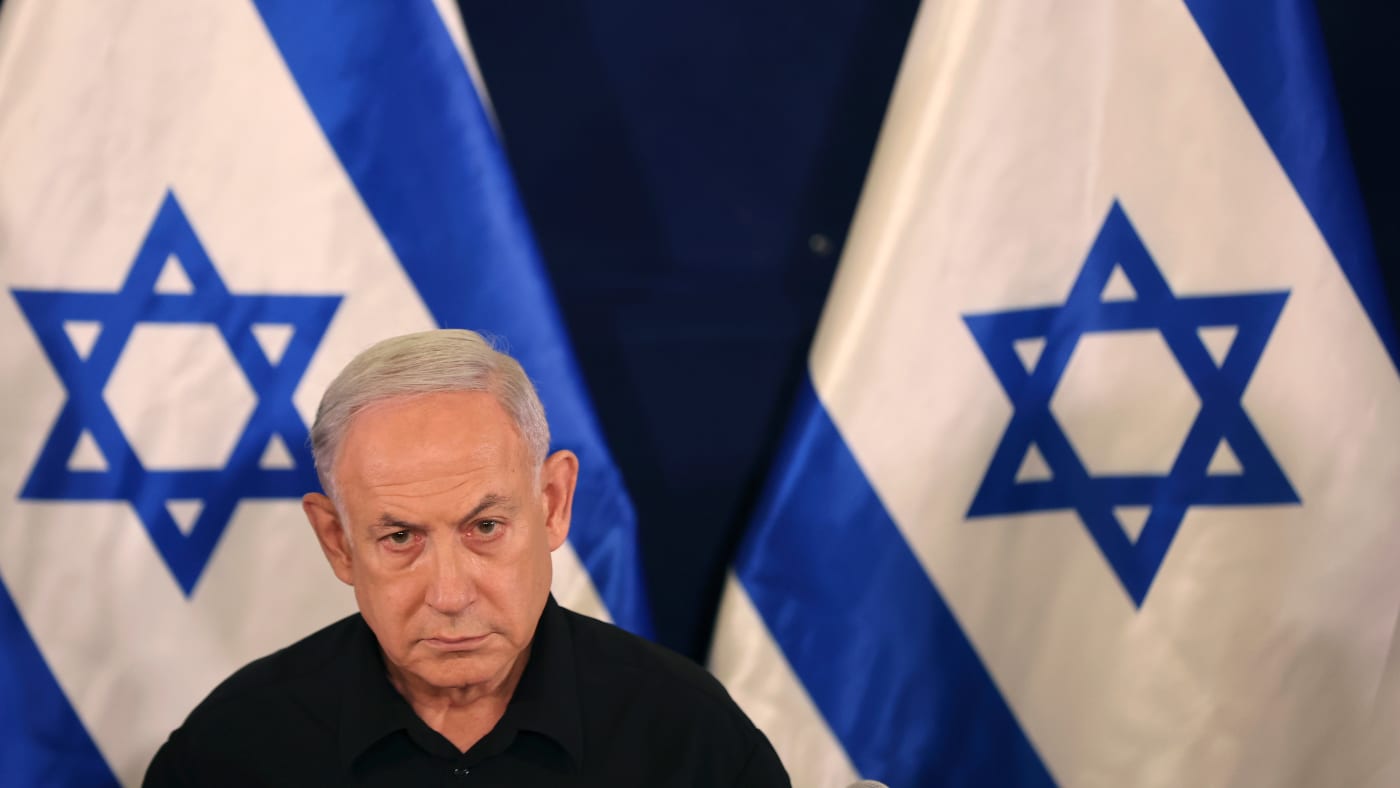
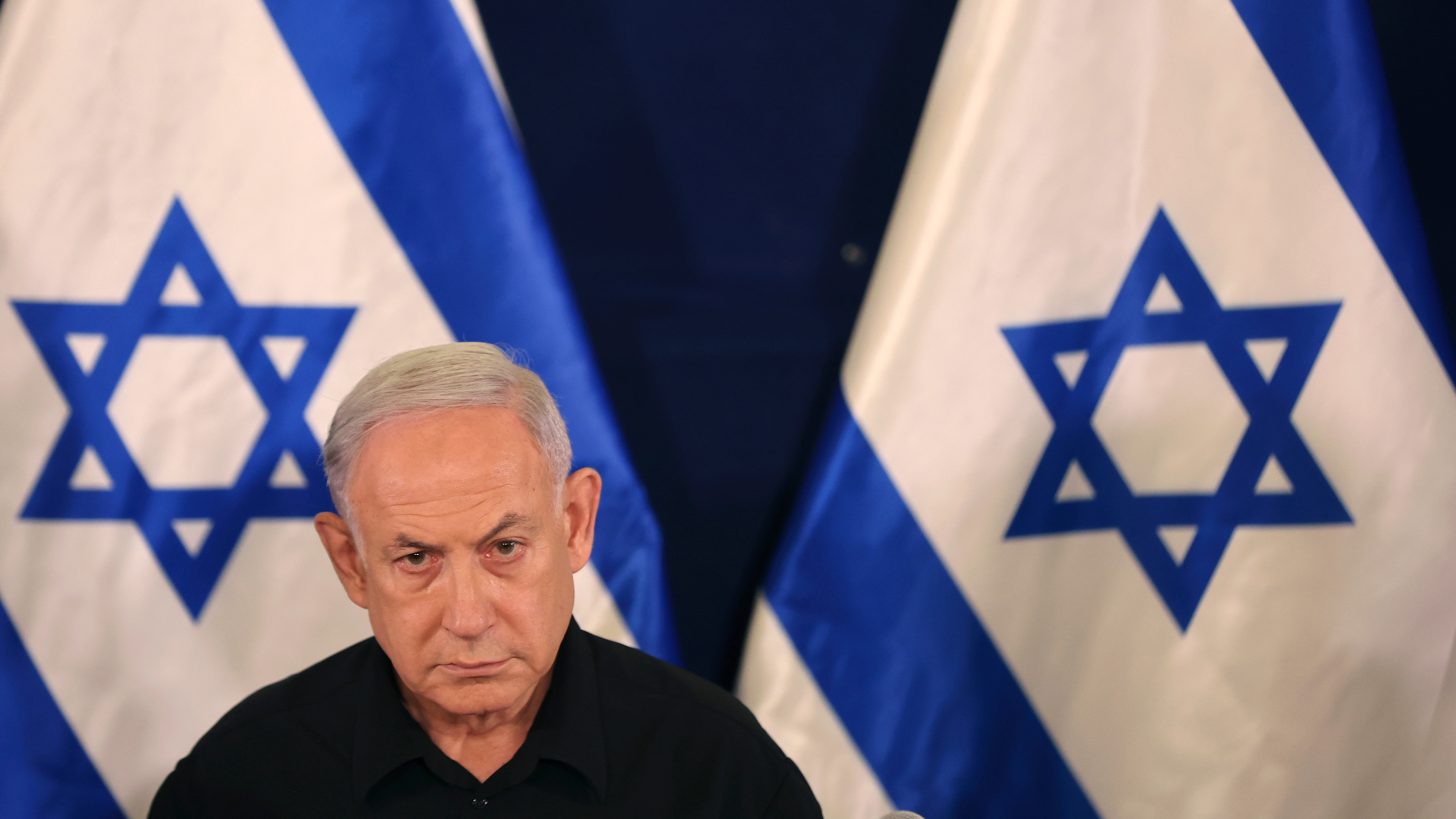
Uncertainty has emerged over the formation of Israel’s next government following the announcement of the final results of the country’s national election. The Likud Party, led by incumbent Prime Minister Benjamin Netanyahu, and its allied bloc secured the largest number of seats. However, the bloc failed to obtain the required parliamentary majority, leaving Netanyahu’s return as prime minister uncertain. Political parties are now expected to begin negotiations to explore possible coalition arrangements.
According to reports by The Times of Israel and The Jerusalem Post, citing the final results of Israel’s Central Elections Committee (CEC), Netanyahu’s bloc secured 53 seats in the 120-member Knesset. The opposition bloc, which seeks to remove him from power, won 48 seats.
At least 61 seats are required to secure a majority in the Knesset and form a government. As a result, neither bloc has independently reached the threshold.
Netanyahu’s Bloc Wins the Most Seats but Falls Short of a Majority
Although the Likud Party and its allies emerged with the largest number of seats, they have not secured enough parliamentary support to form a government. With 53 seats, Netanyahu’s bloc remains eight seats short of the 61-seat majority.
The opposition bloc, with 48 seats, also needs additional support to form an alternative government. Therefore, despite securing the largest number of seats, Netanyahu’s return to the premiership is far from guaranteed.
Arab Parties Become Key to Government Formation
Arab political parties collectively secured 19 seats in the election, making their position potentially significant in the post-election negotiations.
Both Netanyahu’s bloc and the opposition may need support from Arab parties or smaller political groups to secure a parliamentary majority. However, it remains unclear which parties will support whom or whether they will join any governing coalition.
Coalition Talks and Political Negotiations Ahead
Under Israel’s parliamentary system, winning the largest number of seats is not sufficient to form a government. A prospective government must secure the support of a majority of Knesset members.
Netanyahu now faces the challenge of expanding his bloc’s parliamentary support to reach the required threshold. Meanwhile, opposition parties may explore the possibility of forming an alternative government through negotiations and political compromises.
What Lies Ahead for Israel’s Next Government?
Although Netanyahu’s bloc leads in the final seat count, it has failed to secure the 61 seats required to form a government. The opposition bloc is also short of a majority.
The positions of Arab parties, decisions by smaller political groups and the outcome of coalition negotiations could therefore play a decisive role in determining the composition of Israel’s next government.
Political attention is now focused on the direction of the negotiations, whether Netanyahu can return to power and whether opposition parties can assemble an alternative parliamentary majority.
Sources: The Times of Israel; The Jerusalem Post; final results published by Israel’s Central Elections Committee.