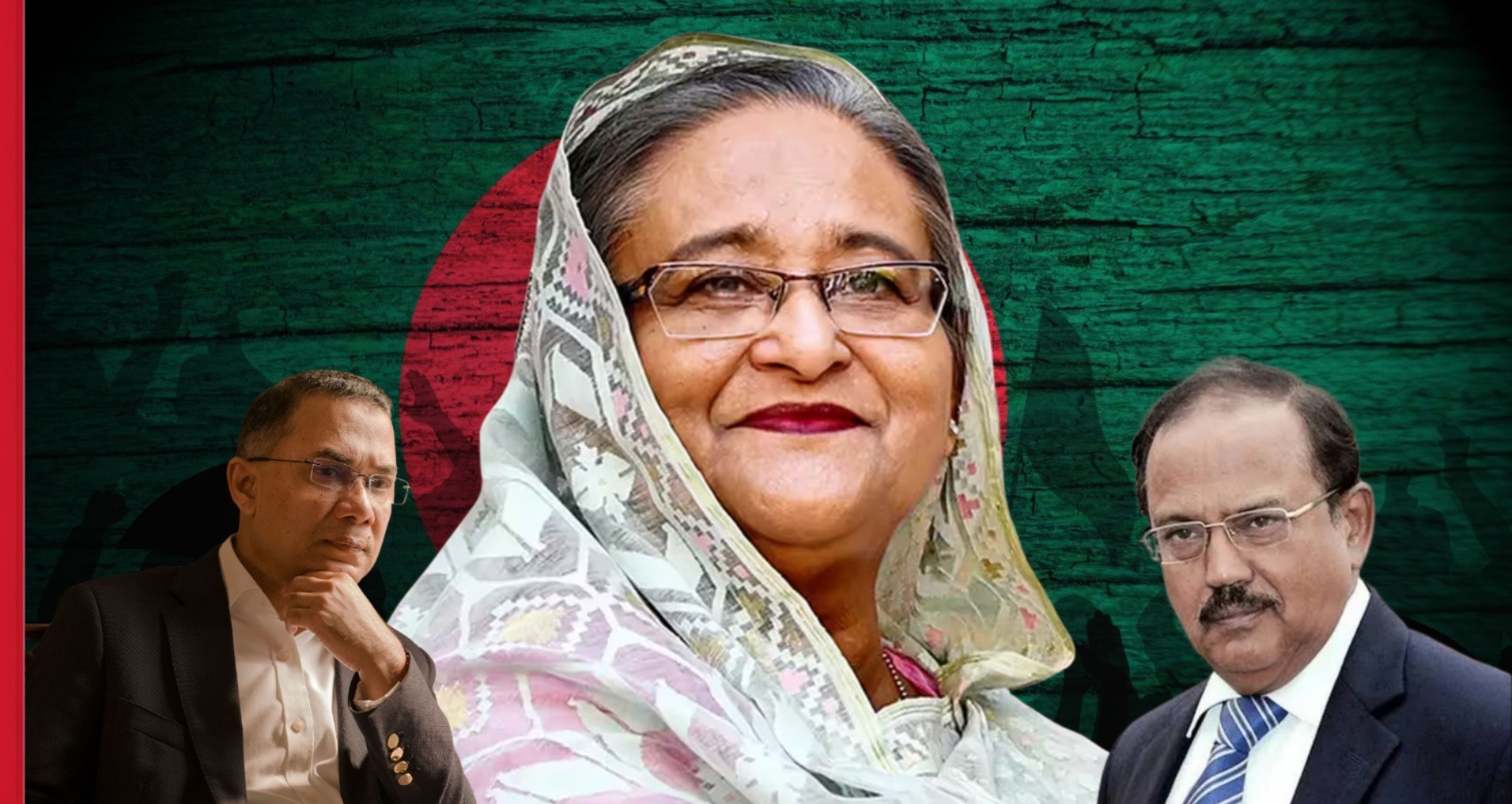

Sheikh Hasina’s December Return Announcement, Ajit Doval’s Reported Secret Dhaka Visit: What Geopolitical Equation Is Bangladesh Navigating?
New Delhi and Dhaka | September 27, 2026 | The Global Journal
Former Prime Minister Sheikh Hasina’s announcement that she plans to return to Bangladesh in December, reports of a discreet visit to Dhaka by India’s National Security Adviser (NSA) Ajit Doval, and a possible visit to India by Prime Minister Tarique Rahman have sparked discussion about a new geopolitical equation in Dhaka–New Delhi relations.
According to Indian media reports, Ajit Doval made a discreet visit to Dhaka on September 17. However, nearly 10 days after the reported visit, neither the Bangladeshi nor the Indian government has officially confirmed or denied it.
Meanwhile, The Times of India reported that the third week of November is being considered as a possible time for Bangladeshi Prime Minister Tarique Rahman’s visit to India. No formal announcement has been made yet.
Alongside these diplomatic contacts, Sheikh Hasina’s return announcement and concerns raised in various quarters about Bangladesh’s domestic political stability have prompted questions about which issues India is prioritizing as it seeks to rebuild relations with Bangladesh.
Sheikh Hasina’s Return Announcement and the Complexities of India–Bangladesh Relations
Sheikh Hasina has been staying in India since being removed from power in August 2024. Bangladesh’s demand for her return has remained one of the major diplomatic issues complicating relations between the two countries.
Her announcement that she intends to return to Bangladesh in December has taken on new significance in this context. However, without confirmed information about the possible timing of her return, the legal process, and the Indian government’s position, it is difficult to determine the diplomatic implications of the announcement.
The issue of Sheikh Hasina’s extradition remains an important consideration in efforts to normalize relations between India and Bangladesh. The Times of India reported that the unresolved situation could also affect the scheduling of Tarique Rahman’s possible visit to India.
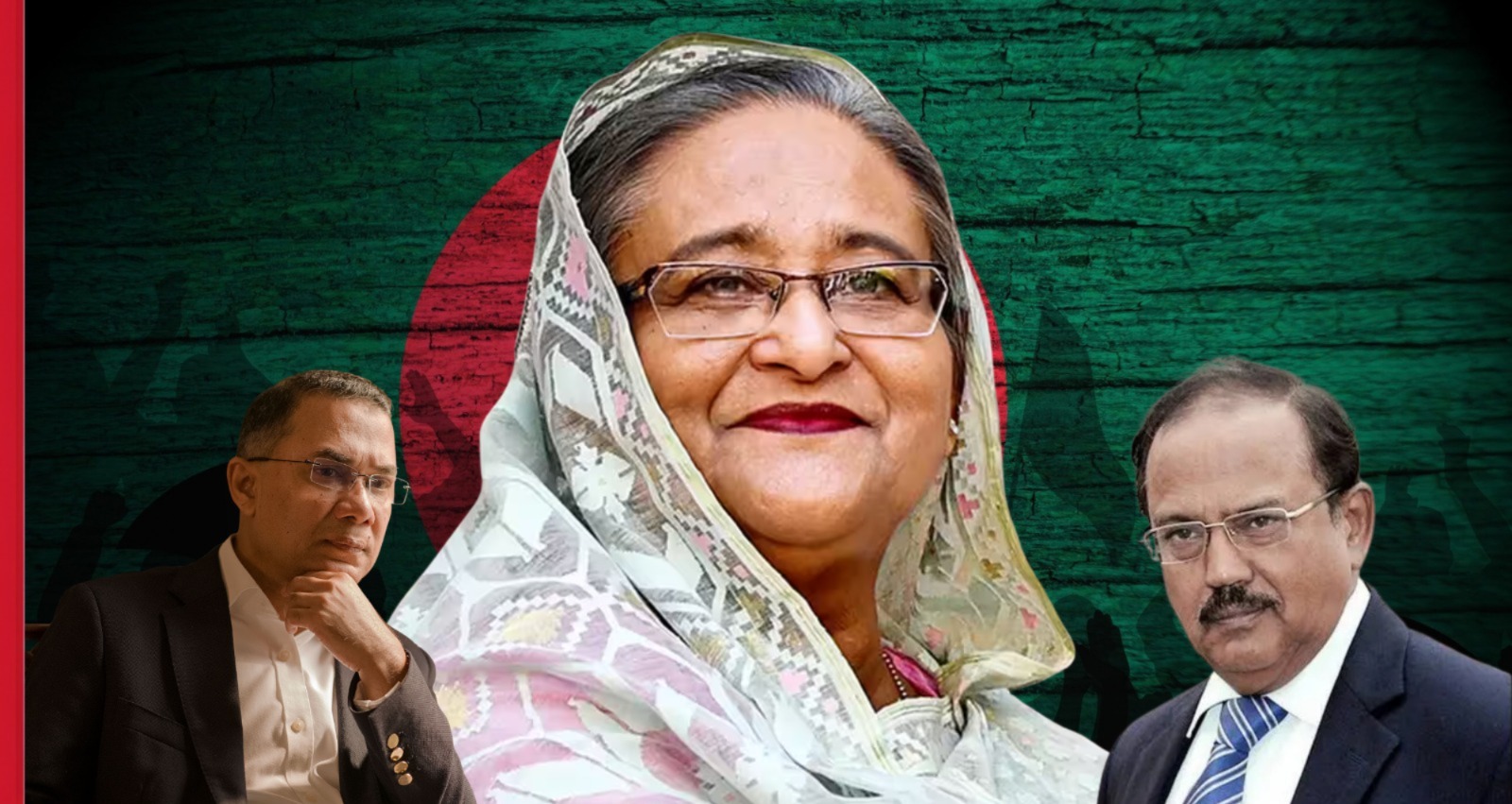
Ajit Doval’s Reported Dhaka Visit: More Than Preparations for the Prime Minister’s Visit?
A September 19 report by Rediff said Ajit Doval spent approximately three-quarters of a day in Dhaka on September 17 to advance preparations for Tarique Rahman’s possible visit to India.
The report also stated that Bangladesh Home Minister Salahuddin Ahmed and senior defence officials held detailed meetings with Doval in New Delhi earlier in September.
Neither government has issued an official statement about these meetings.
Preparations for bilateral visits by heads of state or government are generally handled through foreign ministries and relevant diplomatic channels. However, the involvement of a national security adviser also raises the possibility of discussions concerning security cooperation, strategic communication, or sensitive bilateral issues.
According to former Indian diplomat Pinak Ranjan Chakravarty, a national security adviser works directly under the prime minister’s direction on strategic matters and may also coordinate among intelligence agencies during security crises.
The specific issues discussed during Doval’s reported visit, however, remain unconfirmed.
Possible Agenda for Tarique Rahman’s Visit to India
The Times of India reported that the third week of November is being considered as a possible time for Tarique Rahman’s visit to India.
Long-standing issues between the two countries could feature in potential discussions, including:
- Border management and cross-border movement
- Counterterrorism cooperation and security coordination
- Trade and economic relations
- Sharing of water from common rivers
- Energy cooperation
- Regional stability and strategic communication
A meeting between Bangladesh Foreign Minister Khalilur Rahman and Ajit Doval in April has also been cited as part of the continuing high-level communication between the two countries.
Meanwhile, The Times of India described the exchange of birthday greetings between Indian Prime Minister Narendra Modi and Tarique Rahman, followed by Rahman’s response, as a possible indication of an improving diplomatic atmosphere ahead of a potential visit.
India’s Concerns About Bangladesh’s Political Stability
According to several Indian diplomatic sources quoted in the reports, New Delhi is concerned about the possibility of renewed major political instability in Bangladesh and its potential regional implications.
Reports published by several media outlets outside Bangladesh have also alleged attempts to remove the BNP-led government and establish a new administration resembling the caretaker government formed during the 2007–08 state of emergency.
Those reports have alleged meetings involving former military officers, political figures, and a newspaper editor, as well as support and financing from Türkiye and Pakistan.
These allegations have not been independently verified, and no government authority has confirmed them. They therefore cannot be treated as established facts.
Nevertheless, if Bangladesh’s political stability, security situation, and regional implications are being discussed among diplomatic circles, these issues may form part of the broader context for high-level India–Bangladesh engagement.
The Role of the United States and Western Diplomats
The reports also refer to remarks attributed to U.S. officials during meetings with journalists on the sidelines of the United Nations General Assembly.
According to a Bangladeshi diplomatic source, U.S. officials said Bangladesh and India would jointly determine how to handle the Sheikh Hasina issue. The source also said they indicated that decisions concerning the Awami League’s future and restrictions imposed on the party would rest with the Bangladeshi government.
Separately, an Indian diplomatic journalist claimed that senior diplomats from two Western countries had recently travelled from New Delhi to Kolkata and held separate meetings with individuals connected to Bangladesh. The journalist also said diplomats from those countries based in Dhaka had visited different parts of Bangladesh to develop their own assessments of the situation.
These accounts have not been confirmed through official statements from the governments concerned. Diplomatic contacts or monitoring of developments do not, by themselves, establish agreement on any specific political action.
Bangladesh’s “Term Card”: Diplomatic Realities and Possible Equations
Bangladesh’s geographical position, its long border with India, regional trade and connectivity, energy cooperation, and strategic importance in the Bay of Bengal place the country in a significant position in South Asian geopolitics.
Border security, water sharing, trade, energy, and regional stability are all connected to the mutual interests of India and Bangladesh.
At the same time, Bangladesh’s domestic political stability and its efforts to maintain balance in foreign policy remain important considerations in regional diplomacy.
Sheikh Hasina’s return announcement, Tarique Rahman’s possible visit to India, and Ajit Doval’s reported visit to Dhaka are being viewed within the same geopolitical context. However, no direct agreement or specific plan linking the three developments has been established.
The Next Steps in Dhaka–New Delhi Relations
At present, the clearest diplomatic developments are the continuation of high-level communication between the two countries and discussions surrounding Tarique Rahman’s possible visit to India.
However, the agenda of Doval’s reported visit, the subjects discussed during meetings in New Delhi with Bangladesh’s home minister and defence officials, and the Indian government’s position on Sheikh Hasina’s return have yet to be clarified officially.
Answers to these questions could provide a clearer picture of the future direction of Dhaka–New Delhi relations.
Overall, Bangladesh’s political stability, the Sheikh Hasina issue, and Tarique Rahman’s possible visit to India have emerged as important elements in the current diplomatic context between the two countries. However, official statements from both governments will be needed before firm conclusions can be drawn about the actual purpose of Doval’s reported visit.
Sources: Rediff, The Times of India, and diplomatic sources and analysts quoted in the reports.