
China, Iran, India, Russia and Other BRICS Nations: Balancing Power and Geopolitical Capabilities in a New Global Political and Economic Equation
New Delhi, India | September 12, 2026 | The Global Journal
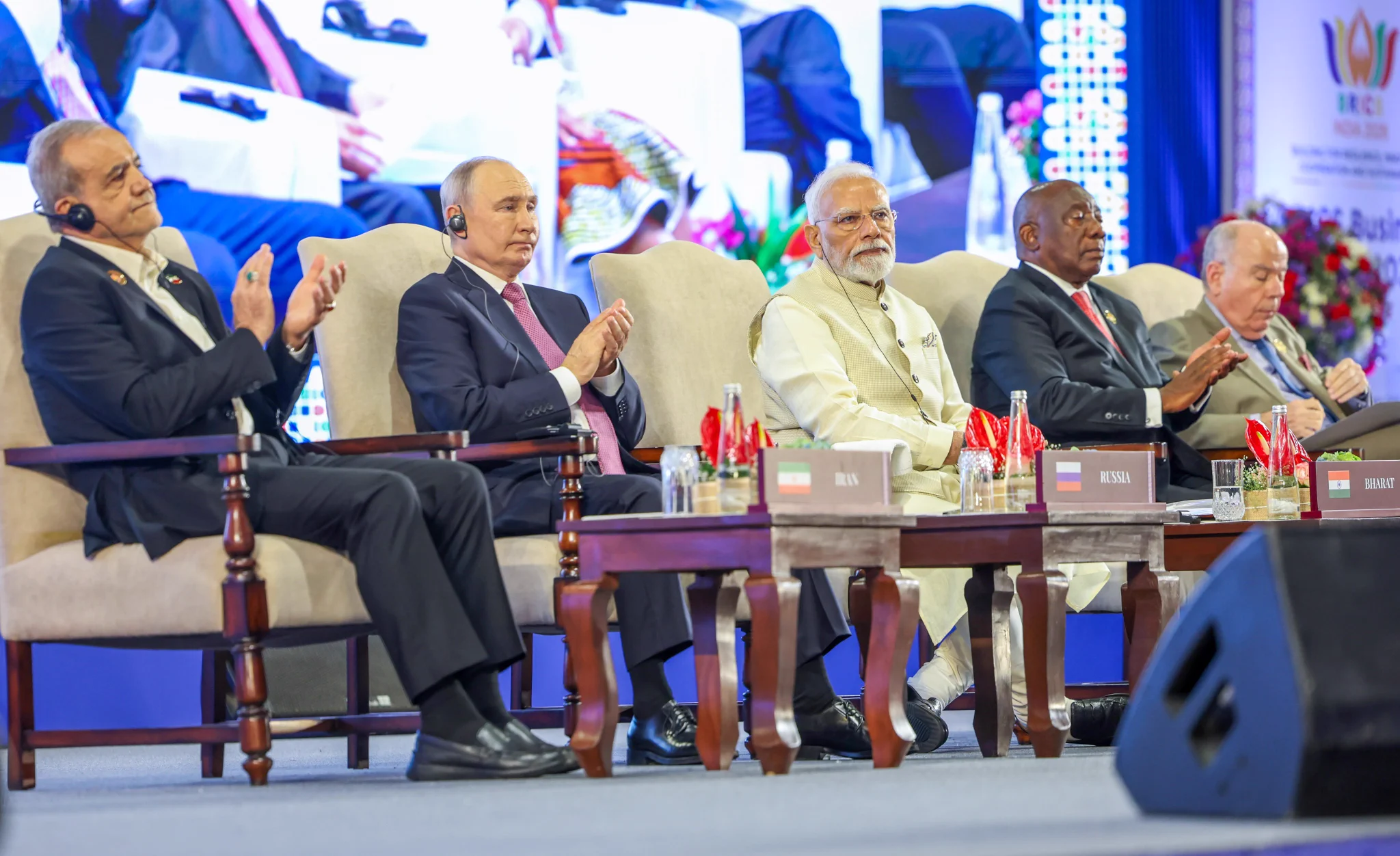
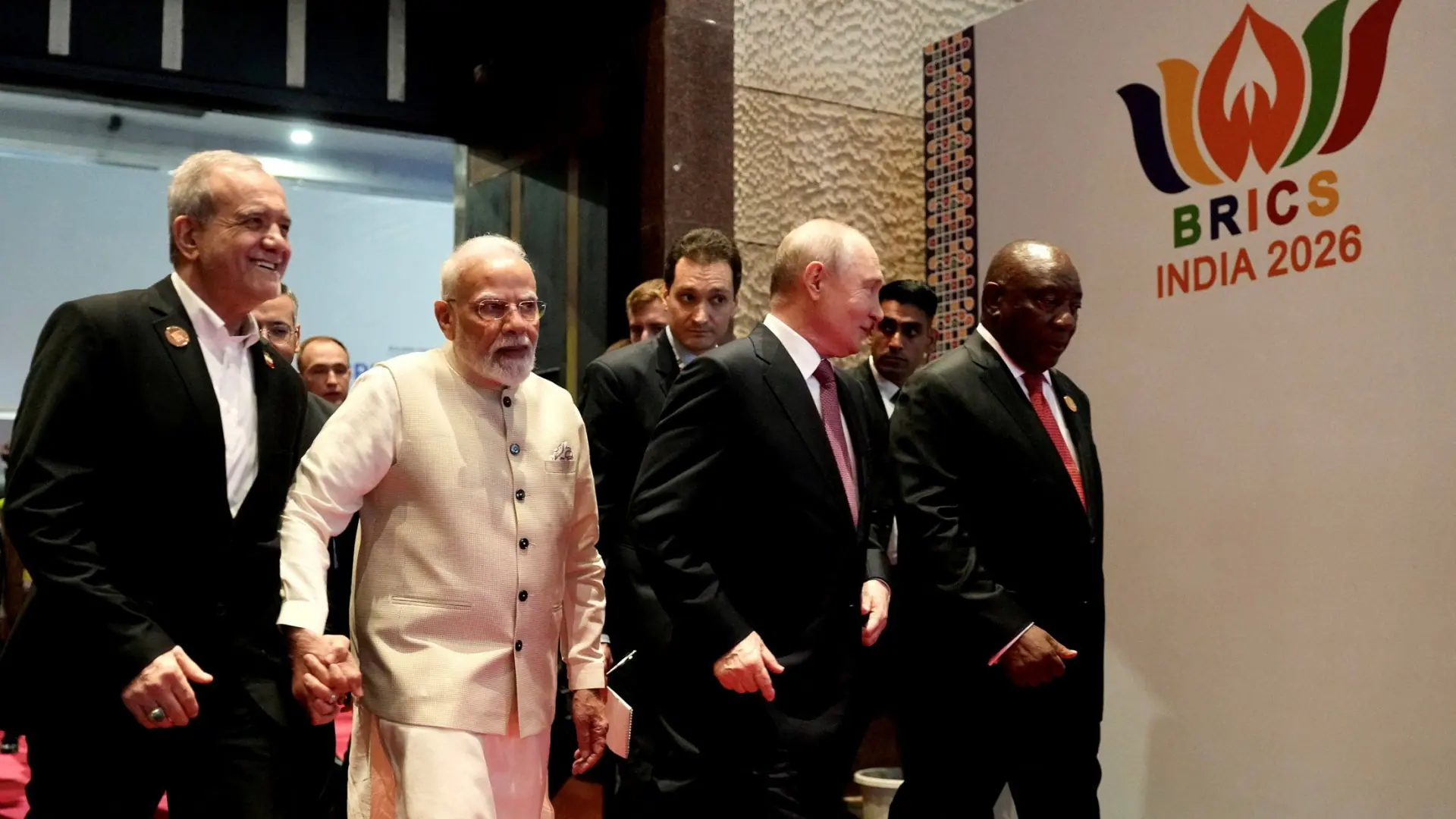
Amid rapidly shifting geopolitical and economic equations, the 18th BRICS Summit is underway in New Delhi. Held on September 12 and 13 at Bharat Mandapam, the summit is bringing together major powers such as China, Russia, India and Iran, while also highlighting differences within the bloc over economic cooperation, de-dollarisation, reform of global governance institutions, energy security and the conflict in West Asia.
The grouping, which began as BRIC in 2006, has evolved over two decades into an important intergovernmental platform. The addition of Egypt, Ethiopia, Iran, the United Arab Emirates and Indonesia to the original framework of Brazil, Russia, India, China and South Africa has significantly expanded BRICS’ economic and geopolitical weight.
The bloc now represents a substantial share of the world’s population and global economy. As a result, BRICS is no longer simply a platform for economic cooperation among emerging economies; it has also become an important arena for discussions over the balance of global power.
However, its expansion has also brought new challenges, as member states have major differences in their economic structures, political systems, security priorities and foreign-policy approaches.
Where Does BRICS’ Strength Lie?
One of BRICS’ greatest strengths is its combined economic and demographic capacity. China is one of the world’s largest economies and manufacturing centres. India has a rapidly expanding economy, a huge consumer market and growing technological capabilities. Russia remains a major power in energy, defence and natural resources, while Iran is an important geopolitical actor in West Asia and a key player in the global energy landscape.
Brazil adds strength in agriculture and food production, South Africa serves as an important economic and strategic gateway to Africa, while the UAE contributes its position as a major global trade and financial hub.
Therefore, BRICS’ strength does not depend on any single country. Rather, the combination of member states’ capabilities in energy, food, industrial production, technology, infrastructure, trade and finance represents one of the bloc’s greatest assets.
The Influence of China and Russia
China and Russia play particularly important roles in the geopolitics of BRICS.
China supports strengthening BRICS as a major platform for developing and emerging economies outside the Western-led global system. Beijing has also backed efforts aimed at reducing dependence on Western-dominated trade, investment, infrastructure and financial structures.
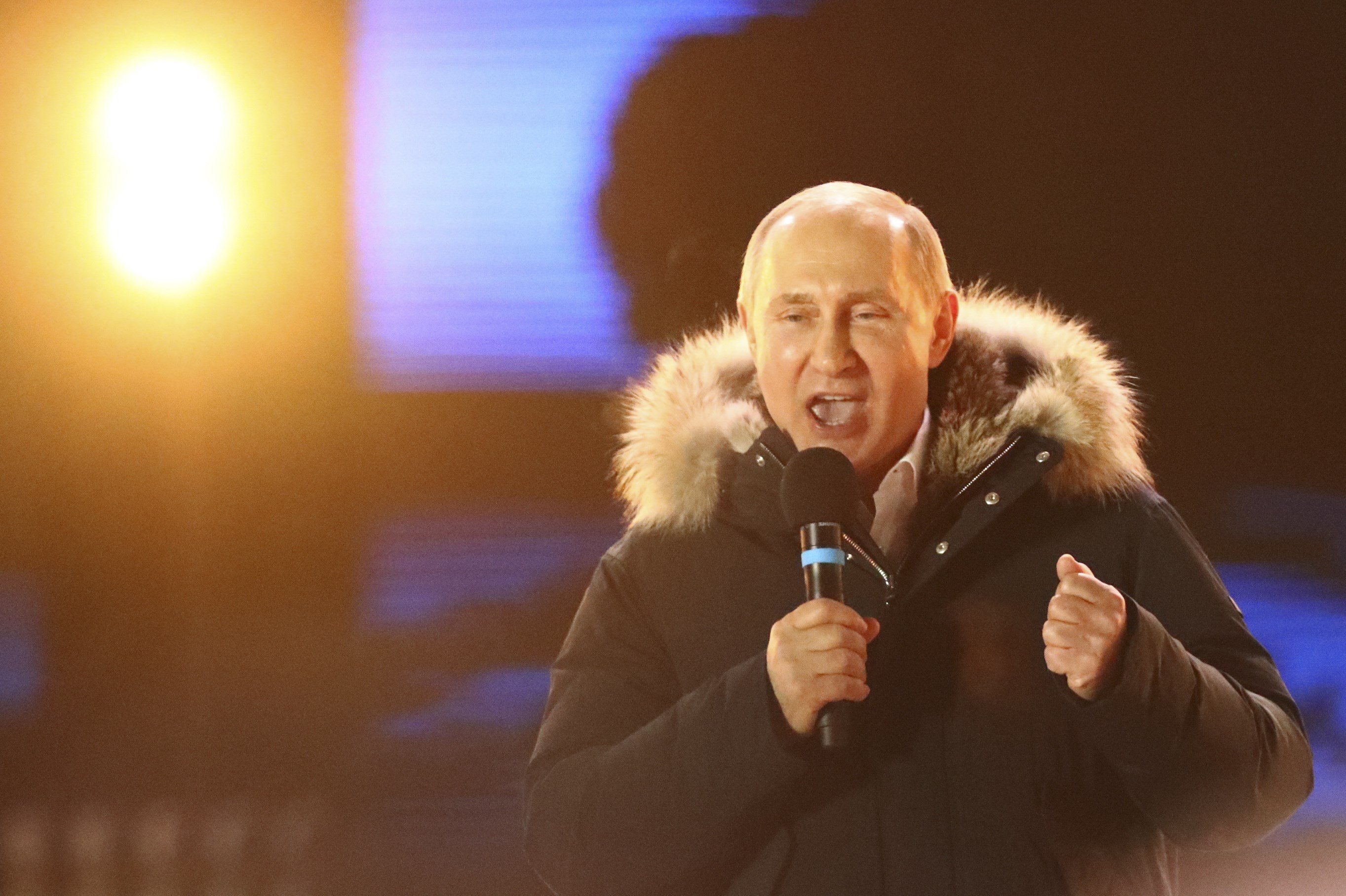
Russia, meanwhile, views BRICS as an important framework for expanding cooperation amid Western sanctions and financial pressure. Local-currency trade, alternative payment mechanisms and efforts to reduce the dominance of the U.S. dollar in international finance remain particularly important to Moscow.
However, India’s approach differs in several respects from the positions of China and Russia.
India’s Strategy of Balance
New Delhi does not want BRICS to become an explicitly anti-Western alliance. India’s position is that BRICS should be “non-Western”, not “anti-Western.”
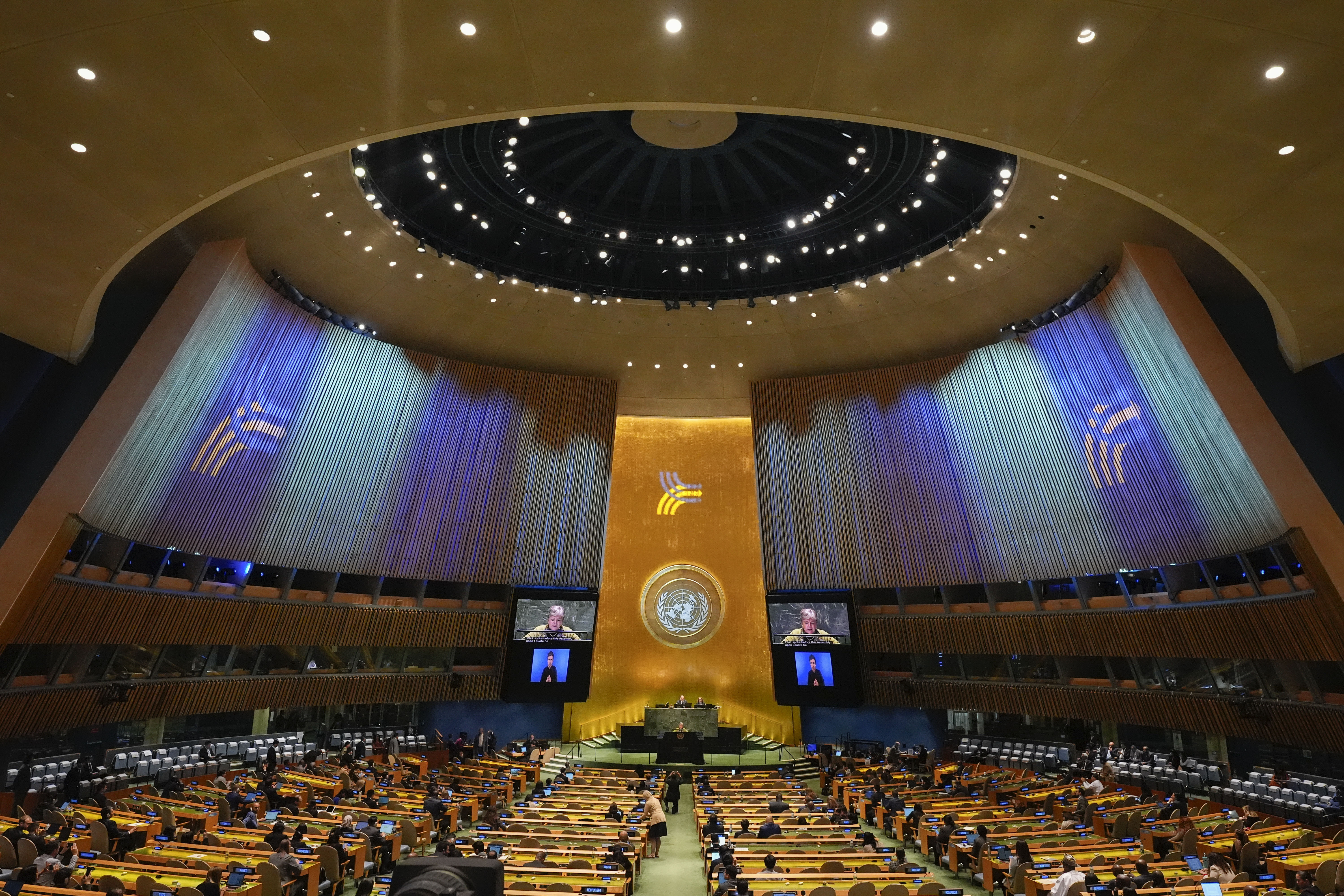
India’s objective is not to dismantle the existing international system and replace it with another polarised structure. Instead, New Delhi seeks reforms that would make institutions such as the United Nations, IMF and World Bank more representative and effective.
This is where India’s strategic position becomes particularly significant. India is simultaneously a member of BRICS and the Quad. While working with the United States, Japan and Australia through the Quad, New Delhi is also cooperating with China, Russia and Iran through BRICS.
This dual diplomatic approach reflects India’s broader policy of strategic autonomy.
The China-India Equation
One of the most important bilateral equations for India within BRICS is its relationship with China.
Border disputes, economic competition, technology and China’s growing influence in South Asia continue to complicate bilateral ties.
At the same time, both countries are among the bloc’s most important economic powers. While tensions between India and China could affect political consensus within BRICS, stronger economic engagement between the two countries could also increase the bloc’s future capabilities.
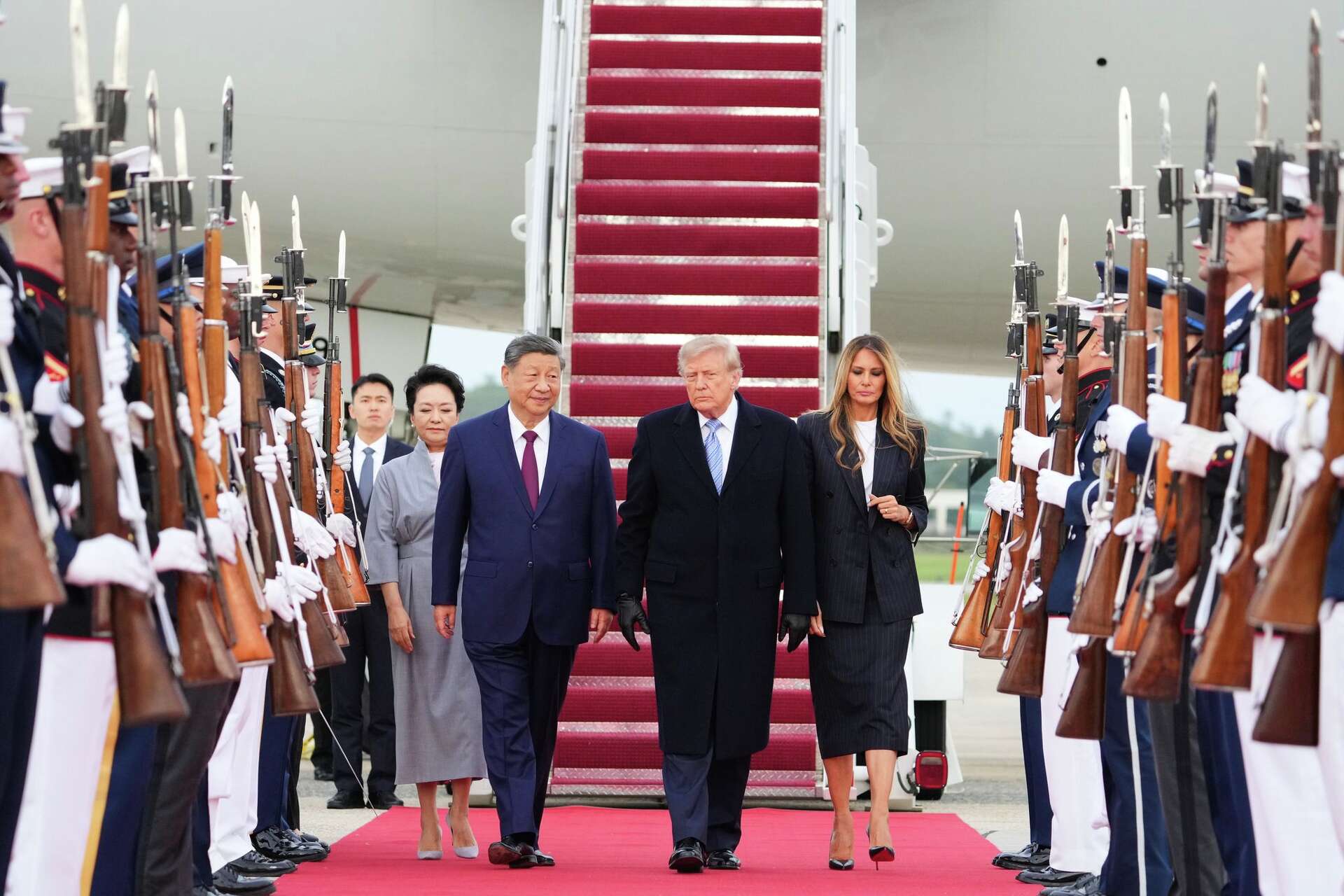
Prime Minister Narendra Modi’s engagement with Chinese President Xi Jinping in New Delhi is therefore significant not only for bilateral relations but also for the future direction of BRICS.
India’s Long-Term Partnership with Russia
India’s relationship with Russia is historic and multidimensional. The two countries have maintained long-standing cooperation in defence, energy, space, nuclear power and strategic affairs.
Despite Western sanctions, India has continued importing energy from Russia. Defence cooperation with Moscow also remains an important component of India’s security framework.
At the same time, New Delhi’s expanding cooperation with Washington and Europe means that India must carefully balance its relationship with Moscow.
For India, the challenge at the BRICS summit is to preserve its historic partnership with Russia while preventing the bloc’s agenda from becoming excessively focused on any single geopolitical conflict.
Iran’s Growing Importance
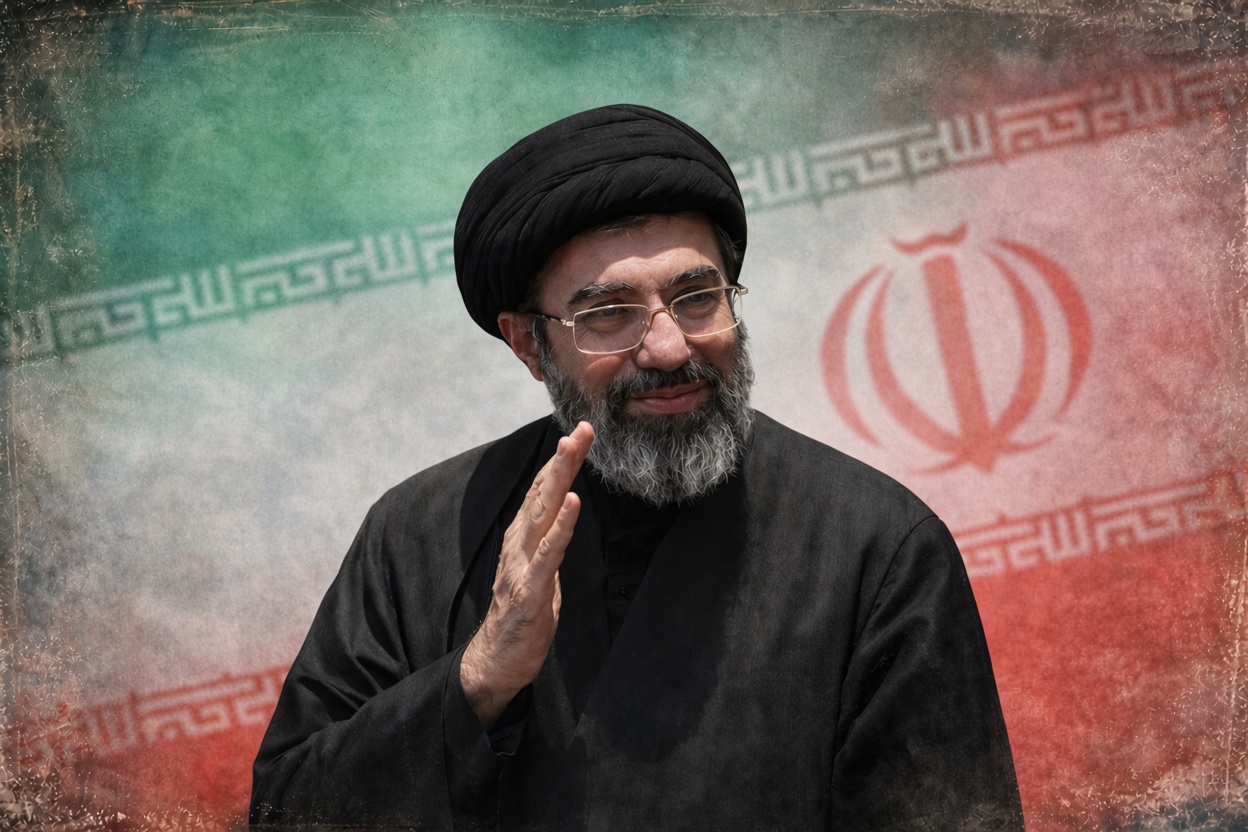
Iran’s inclusion in the expanded BRICS framework has further increased the bloc’s geopolitical significance.
Iran occupies a strategically important position in West Asia, particularly because of its proximity to the Persian Gulf, the Strait of Hormuz and major trade and energy routes connecting the region with Central Asia.
For Tehran, BRICS offers new diplomatic and economic opportunities amid Western sanctions and economic pressure. Local-currency trade, alternative financial mechanisms and greater commercial engagement with member states are particularly important areas for Iran.
For India, Iran is also strategically important because of the Chabahar port and its potential connectivity with Central Asia.
As a result, India-Iran cooperation is not limited to bilateral relations; it could also become part of a broader BRICS trade and connectivity framework.
De-Dollarisation: A Major BRICS Debate
One of the most closely watched issues within BRICS is de-dollarisation.
Several members, particularly Russia and China, support reducing dependence on the U.S. dollar in international trade. Discussions have included local-currency settlements, alternative payment mechanisms and new financial infrastructure.
India, however, remains cautious about the idea of creating a common BRICS currency.
New Delhi considers the creation of a single BRICS currency highly complex under current global economic conditions. Instead, India favours bilateral settlements in local currencies and greater interoperability among existing digital payment systems.
Such an approach could strengthen economic cooperation within BRICS while reducing the risks associated with complete separation from the existing global financial system.
West Asia and Internal Divisions within BRICS
The expansion of BRICS has brought the competing interests of several West Asian countries directly into the bloc’s discussions.
The security and economic priorities of Iran, the UAE and Egypt are not identical. As a result, reaching a common position on the conflict in West Asia, the Red Sea, the Strait of Hormuz and maritime security remains difficult.
The issue is particularly important for India because millions of Indian citizens live in the Gulf region, while a significant portion of India’s energy imports comes from West Asia.
New Delhi therefore has an interest in promoting diplomatic language that emphasises international law, peace, dialogue and maritime security without directly isolating any major regional actor.
New Opportunities for Economic Cooperation
The future of BRICS will not be determined solely by political declarations. Practical economic cooperation will be crucial to the bloc’s long-term strength.
Local-currency trade, cross-border digital payments, infrastructure investment, energy cooperation, food security, agriculture and technology transfers all offer significant opportunities for deeper cooperation among BRICS members.
India’s UPI and digital infrastructure, China’s digital economy, Russia’s energy and defence capabilities, and Iran’s geographic and energy significance could, if effectively connected, expand the bloc’s economic reach.
India’s Role in Leading the Global South
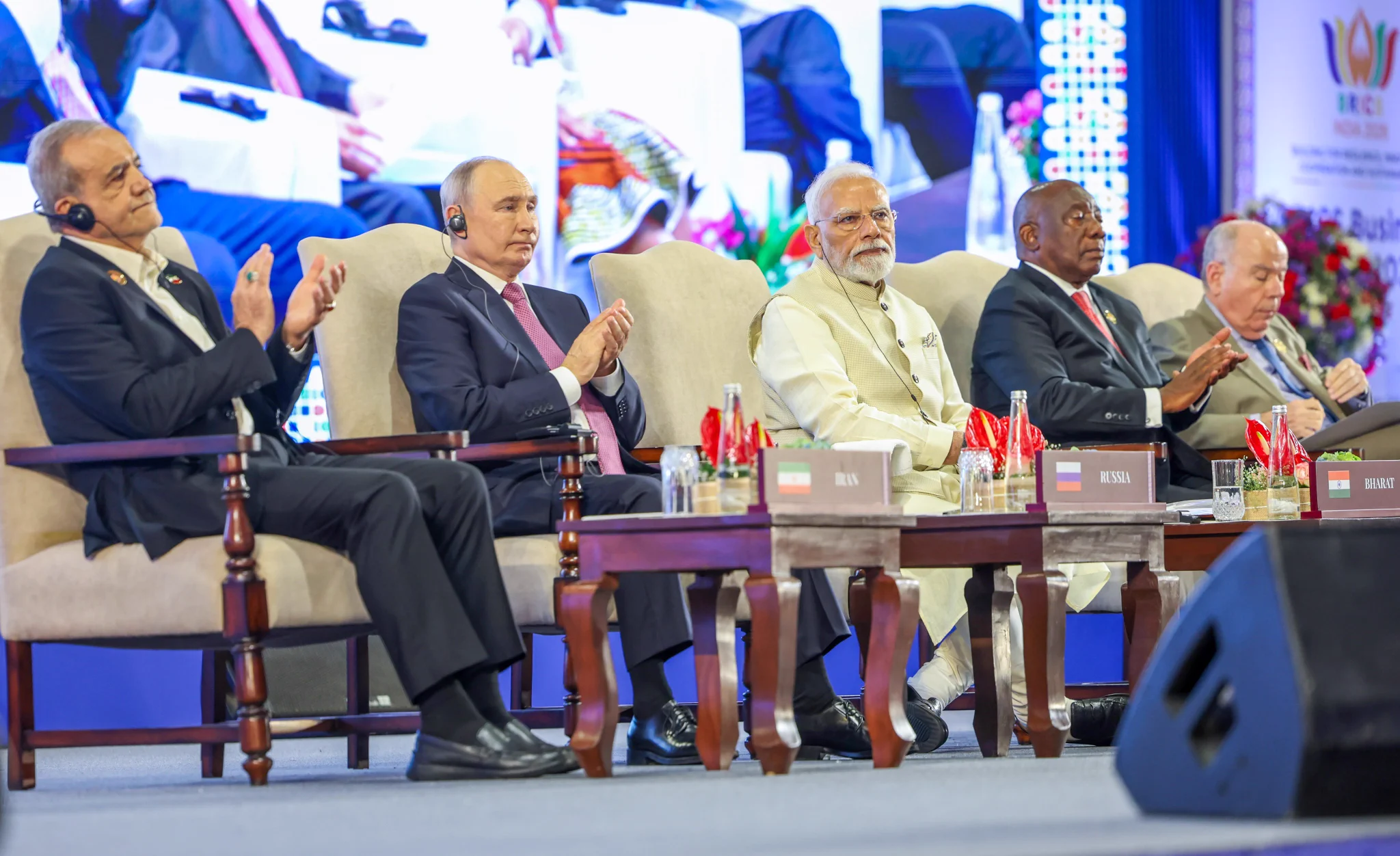
India’s BRICS presidency is more than a diplomatic responsibility; it is also an opportunity for New Delhi to strengthen its position as a leading voice of the Global South.
India has long advocated reforms to the UN Security Council, greater representation for developing countries within the IMF, climate financing, technology transfers and increased infrastructure investment in developing economies.
Digital Public Infrastructure, or DPI, is another major area where India is seeking to contribute. By sharing its experience with Aadhaar, UPI and digital public services, New Delhi is promoting a technology-driven development model that could be adapted by other developing countries.
Can BRICS Become the Foundation of an Alternative World Order?
The expansion of BRICS has undoubtedly increased the bloc’s economic and geopolitical weight. But a larger membership does not automatically create a stronger or more unified alliance.
While China and Russia are more interested in building alternatives to Western dominance, India continues to favour a pragmatic and balanced approach. Iran sees BRICS as an important platform for dealing with Western sanctions, while Gulf members place greater emphasis on economic stability and trade.
These differing positions represent both BRICS’ greatest strength and one of its greatest weaknesses.
The Future of BRICS in a New Global Equation
BRICS has reached a stage where its future will increasingly depend on practical cooperation rather than political slogans.
If China, Russia, India, Iran and other members can maintain their distinct national interests while developing effective cooperation in trade, investment, energy, technology, digital economics and reform of global institutions, BRICS could exert an even greater influence on the world economy.
If India can maintain its relationships with China and Russia while simultaneously preserving its strategic partnerships with the United States and the wider Western world, New Delhi could further establish itself as an important balancing power among competing global centres of influence.
Ultimately, the central question for BRICS is whether it will be known merely as an alternative to the Western-led system, or whether it can become an effective platform for bringing countries with different political and economic systems together and contributing to a more balanced, multipolar world order.
The 2026 BRICS Summit in New Delhi is an important chapter in finding an answer to that question.
With information from news agencies and various international sources.