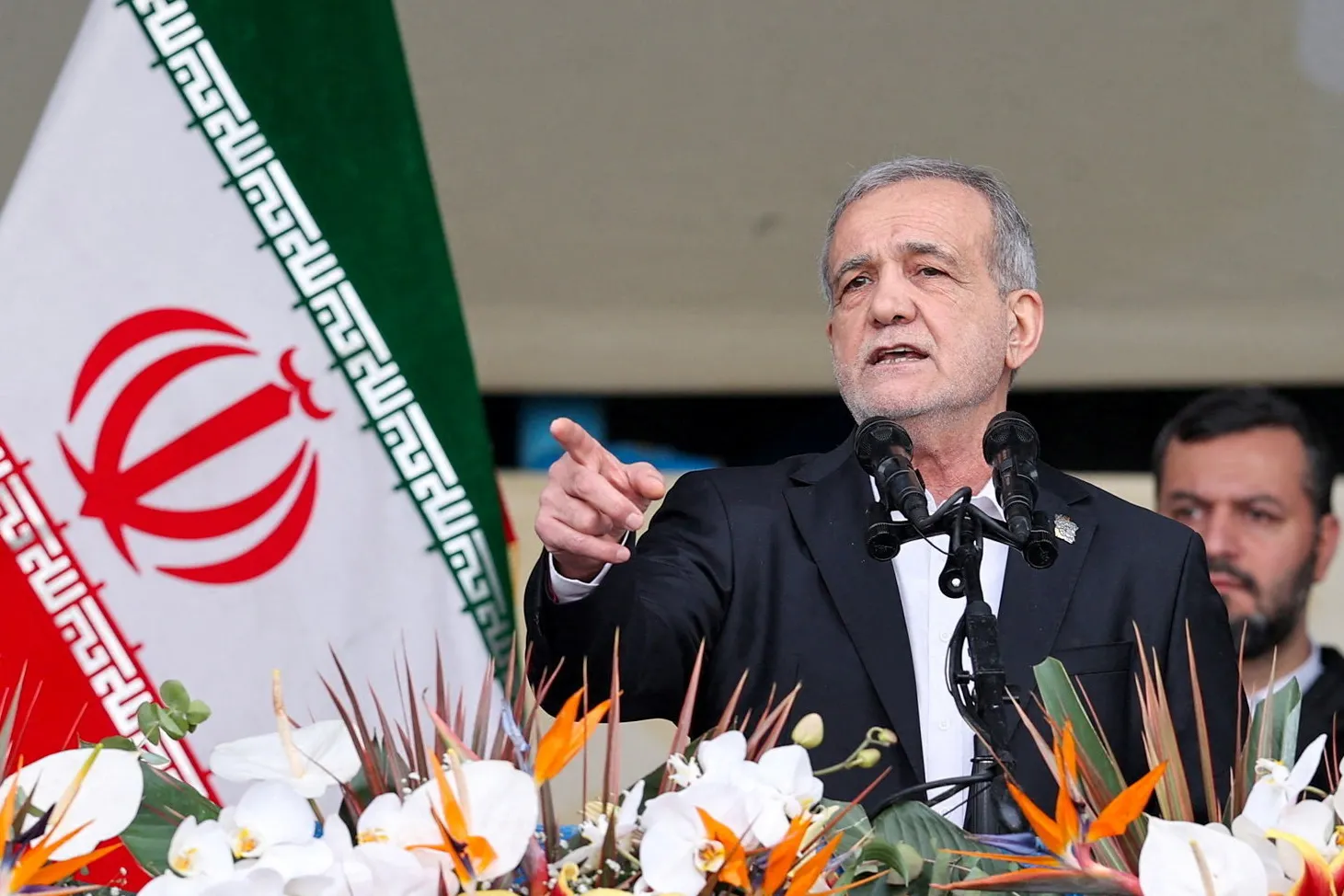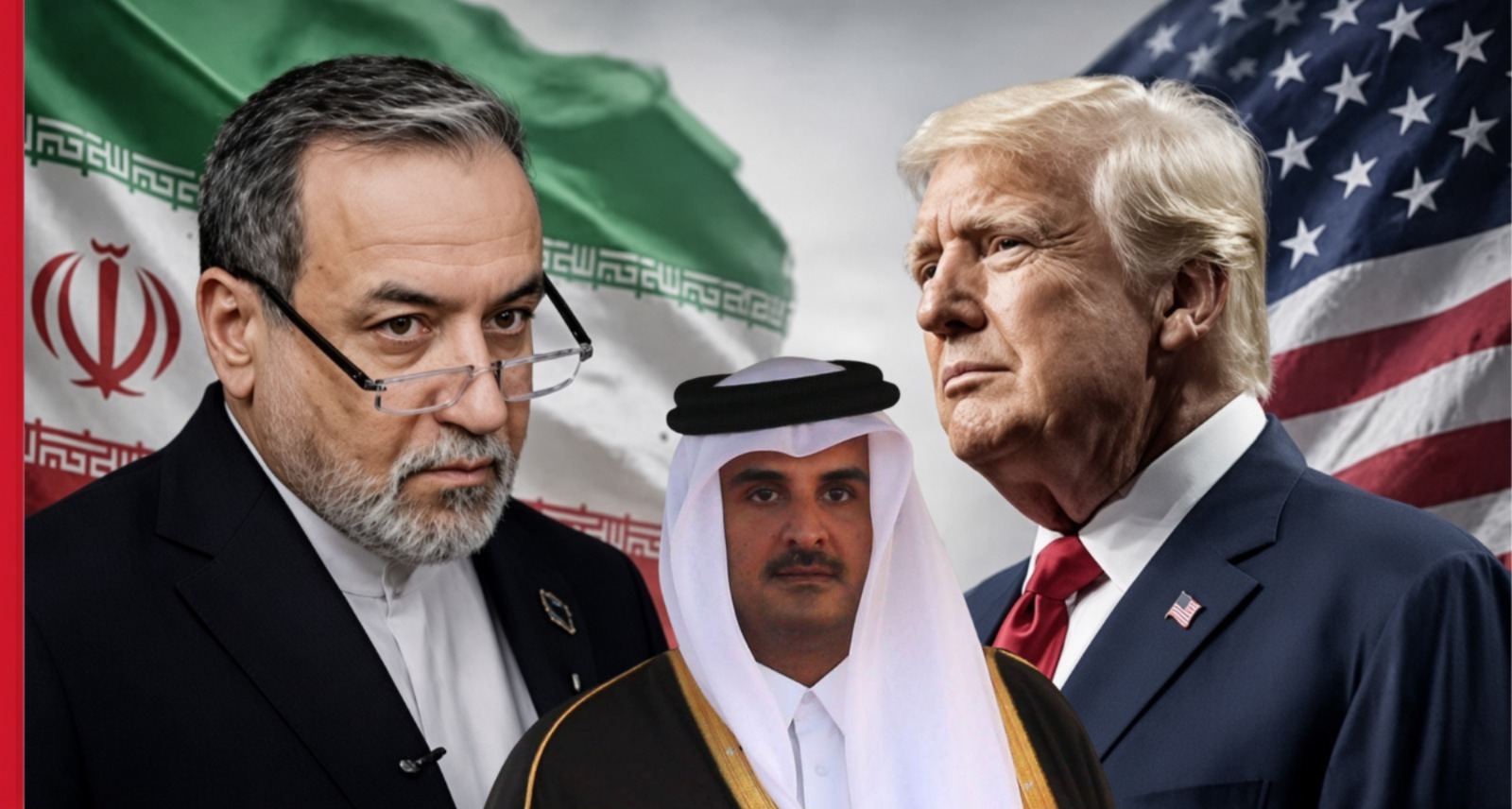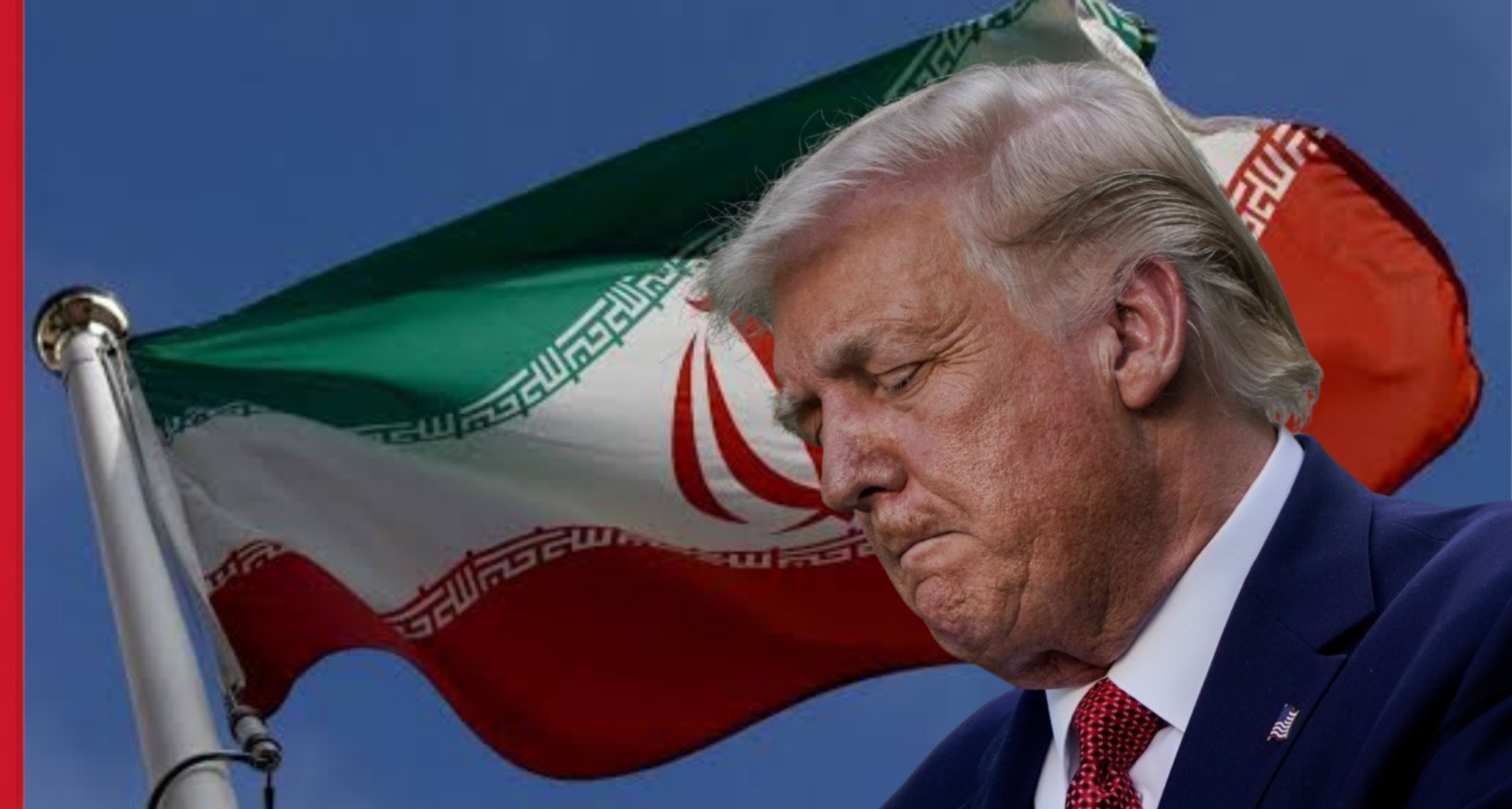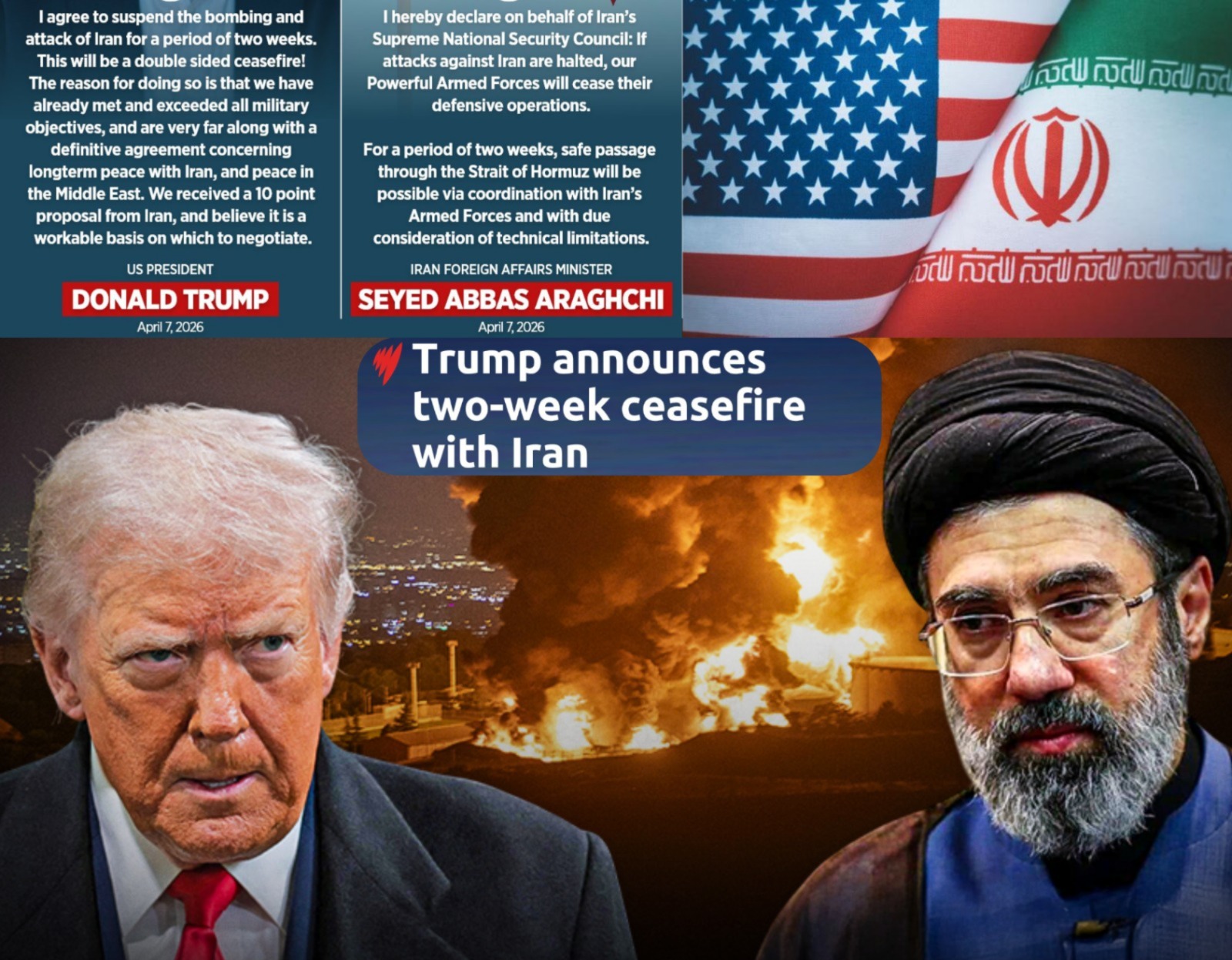

Following Iran’s 10 conditions, the Middle East war situation has eased for two weeks at a high cost, giving relief to President Trump
International Desk | The Global Journal | April 8, 2026
After more than a month of bloody conflict, the United States and Iran have finally agreed to a two-week ceasefire. On Tuesday at 6:32 PM Washington time, President Donald Trump announced on his social media platform, "Truth Social," that the two nations are "very close" to a "final" peace treaty. However, this ceasefire comes in the wake of unprecedented threats from Trump and stringent conditions set by Iran.
Threats and Ultimatums: A Sleepless Night
Since the beginning of the conflict, Donald Trump had been issuing stern warnings to Iran. Most recently, he set a final deadline of 8:00 PM North American time on April 7th for the opening of the Strait of Hormuz. Issuing an ultimatum, Trump wrote:
"Tonight, an entire civilization will be destroyed, which will never return. I don't want this to happen, but it likely will."
This direct threat of total destruction from the U.S. President sparked extreme anxiety and concern among Iranians. Reports indicate that many spent Tuesday night sleepless out of fear of an imminent attack. However, shortly before the deadline expired, both parties agreed to a ceasefire through the mediation of Pakistani Prime Minister Shehbaz Sharif.
Ceasefire Conditions: Who Wins, Who Loses?
A statement released by the White House mentioned Trump’s 15-point peace plan alongside Iran’s 10-point proposal. Iranian state media claimed that the U.S. has accepted most of their terms. Iran's primary conditions include:
- Assurance against future attacks on Iran and its allies.
- Continued Iranian control over the Strait of Hormuz.
- Withdrawal of all direct and indirect sanctions and the immediate return of frozen assets abroad.
- Withdrawal of U.S. troops from the Middle East.
- Payment of war reparations to Iran.
On the other hand, the United States has emphasized keeping the Strait of Hormuz open for commercial navigation and maintaining strict control over Iran's nuclear program (uranium enrichment). Although Tehran has committed to not producing nuclear weapons, questions remain regarding how the current stockpile of enriched uranium will be monitored
International and Domestic Reactions
Israel has welcomed the ceasefire. In an official statement, Israel noted its support for President Trump's decision to suspend attacks on the condition that Iran immediately opens the Strait of Hormuz and ceases all attacks on Israeli and U.S. military infrastructure.
However, Trump has faced severe criticism domestically. Democrats swiftly condemned his "destruction of a civilization" comment, with some even calling for his removal from office. Even several senior leaders within the Republican Party criticized his rhetoric. Texas Congressman Nathaniel Moran wrote, "We are not in favor of destroying an 'entire civilization'—that is not who we are, and it is not consistent with the principles that have long guided America."
Market Impact and the Future
Immediately following the ceasefire announcement, global oil prices dropped below $100 per barrel for the first time in days. Consequently, major U.S. stock market indices saw a significant surge.
According to analysts: This agreement has allowed Trump to step back from a dangerous precipice. He was faced with either escalating the conflict to fulfill his threat or backing down and damaging his credibility. While this two-week window provides both sides an opportunity to negotiate, a permanent solution remains distant. Iran’s military capabilities have not been fully dismantled, and its influence over regional proxy groups remains intact.
The next two weeks will serve as a litmus test, not just for Washington or Tehran, but for the stability of the entire Middle East.