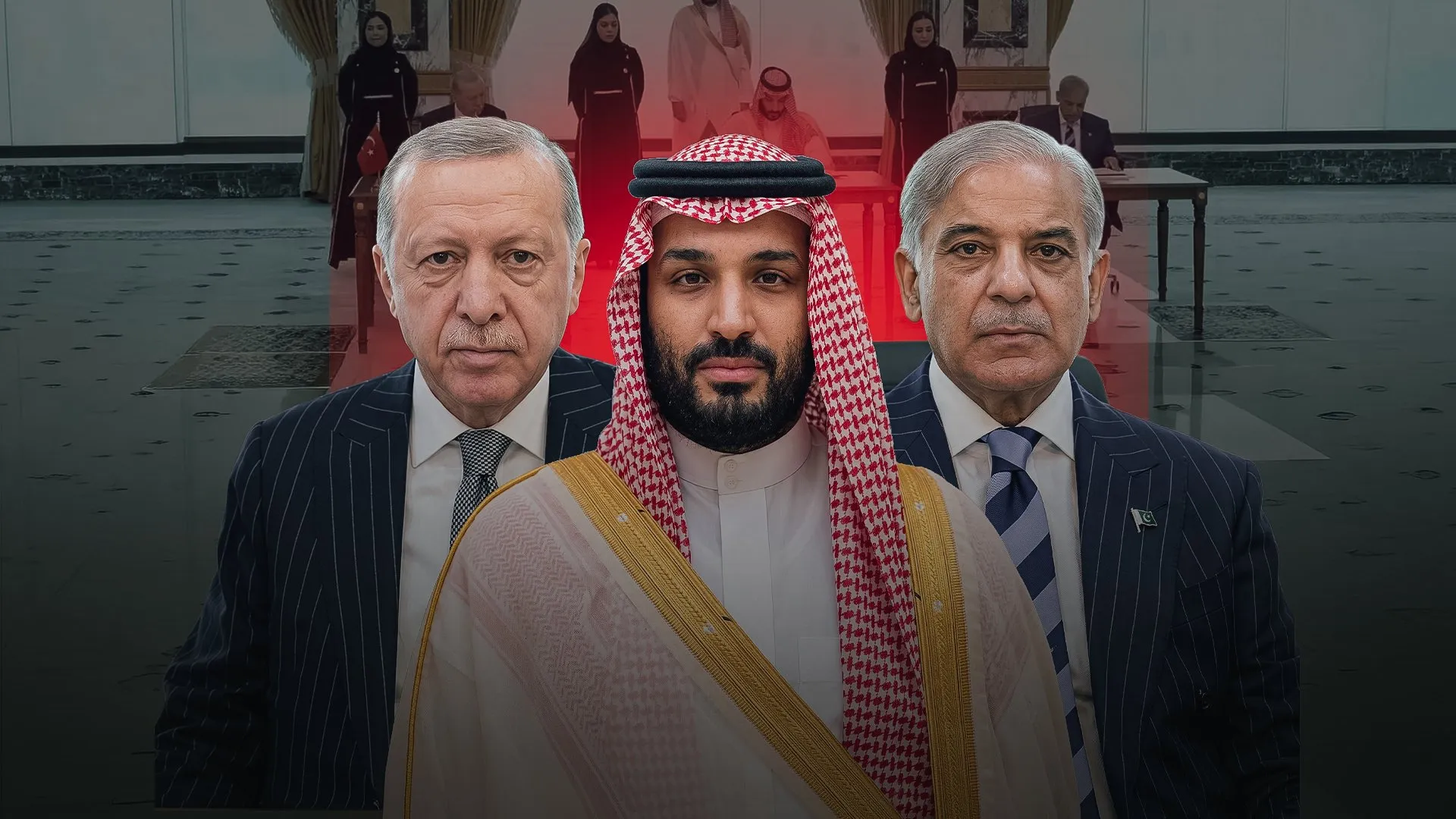

Houthi Drone and Missile Attacks on Saudi Arabia — Pakistan Remains Silent; Mecca Defence Pact Put to the Test
Riyadh/Islamabad | September 9, 2026
A series of drone and ballistic missile attacks by Yemen’s Iran-backed Houthi forces targeting southern Saudi cities and critical energy facilities has once again brought the Mecca Joint Defence Agreement between Saudi Arabia, Pakistan and Türkiye into focus. Coming just a month after the agreement was signed, the attacks are raising questions about the effectiveness of the alliance’s collective defence commitments.
The September 8 attacks targeted several sites in southern Saudi Arabia, including Abha, Khamis Mushait, Jizan and Najran. According to Saudi authorities, 73 people were injured, while several energy facilities caught fire and temporarily suspended operations. A major Saudi Aramco facility in Jizan was also among the affected sites.
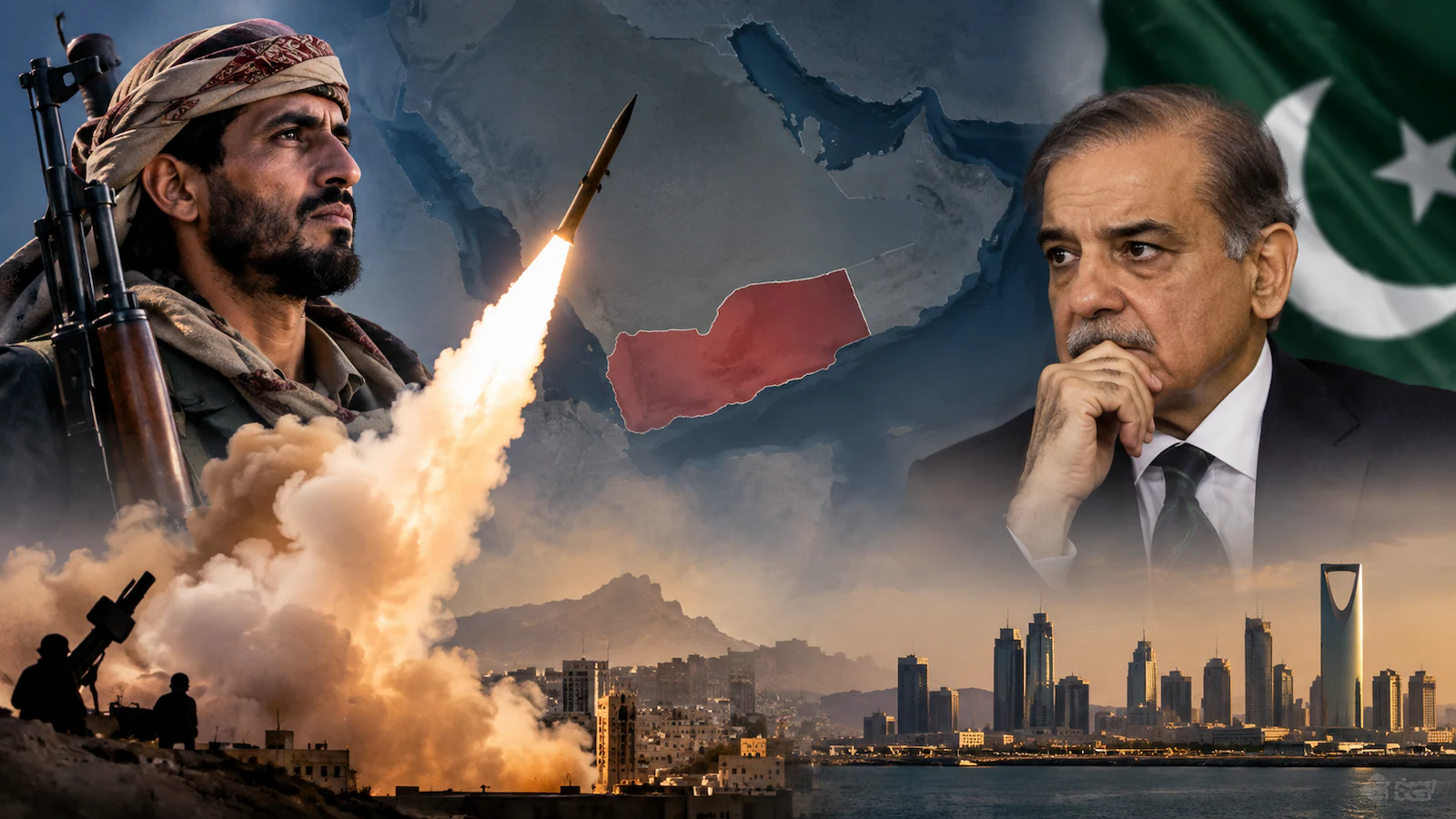
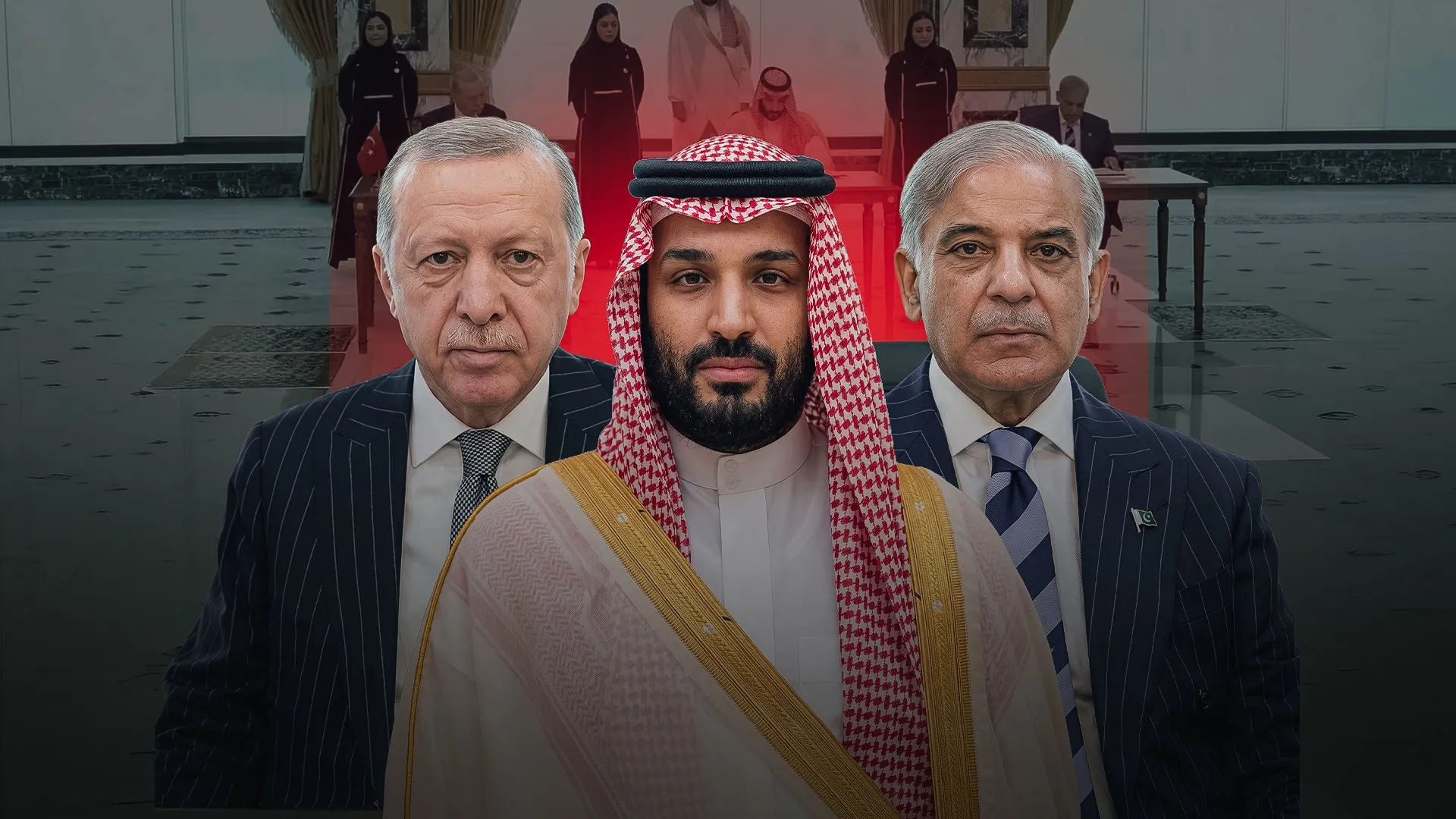
The latest Houthi attacks are being viewed not only as a major security challenge for Saudi Arabia but also as an important test for the country’s new defence partnership. On August 7, Saudi Crown Prince and Prime Minister Mohammed bin Salman, Turkish President Recep Tayyip Erdoğan and Pakistani Prime Minister Shehbaz Sharif signed the Mecca Joint Defence Agreement in Mecca. The agreement states that an armed attack against any one of the three countries would be considered an attack against all three.
However, the provision does not automatically guarantee the deployment of specific military forces or troops. Turkish Foreign Minister Hakan Fidan has said that the nature of assistance to an attacked country would depend on the circumstances and the request of the affected country. This highlights an important distinction between the pact’s political commitment and an actual military response.
Pakistan Faces a Difficult Balancing Act
Following direct attacks on Saudi Arabia, questions are naturally being raised about Islamabad’s position. However, the Yemen issue is not new for Pakistan. The country has long avoided direct military involvement in the Yemen war and has generally emphasised political and diplomatic solutions to regional conflicts.
At the same time, Pakistan has become part of a joint defence framework with Saudi Arabia and Türkiye under the Mecca agreement. On August 31, the three countries held the first Strategic Political and Defence Committee meeting in Istanbul under the agreement, agreeing to further institutionalise their cooperation.
The meeting focused on strengthening joint defence capabilities, defence technology development and military cooperation, while also stressing the need to reduce regional tensions and exercise restraint.
Pakistan’s Foreign Ministry has also described the agreement as defensive in nature, stating that its objective is not to create conflict against any particular country, but to strengthen collective deterrence against external aggression.
Why Are the Attacks Significant?
The Houthi attacks come at a time when tensions in the Middle East are already high. Renewed attacks on Saudi energy infrastructure have also affected international markets. Following the attacks, Brent crude prices climbed to around $98 a barrel, raising fresh concerns over energy supplies and maritime security in the Gulf region.
In this situation, the biggest test for the Mecca Defence Agreement is what kind of political, intelligence, defence or military assistance Pakistan and Türkiye would be prepared to provide in the event of a direct attack on Saudi Arabia. Facing such a challenge only weeks after the pact came into effect could prove significant for determining the alliance’s future effectiveness.
However, based on the government statements available so far, there is no evidence of a decision for direct Pakistani military intervention. Instead, all three countries continue to emphasise strengthening defence cooperation under the agreement while also calling for a reduction in regional tensions.
The key question for analysts now is this: Is the Mecca Defence Pact merely a strategic deterrence framework, or could it evolve into a real collective military response in the event of a major attack on Saudi Arabia?