
India to Continue Buying Russian Oil Amid US Sanctions and 100% Tariff Threat — ‘Energy Security of 1.4 Billion People Is the Top Priority’
New Delhi, India | 17 September 2026 | The Global Journal
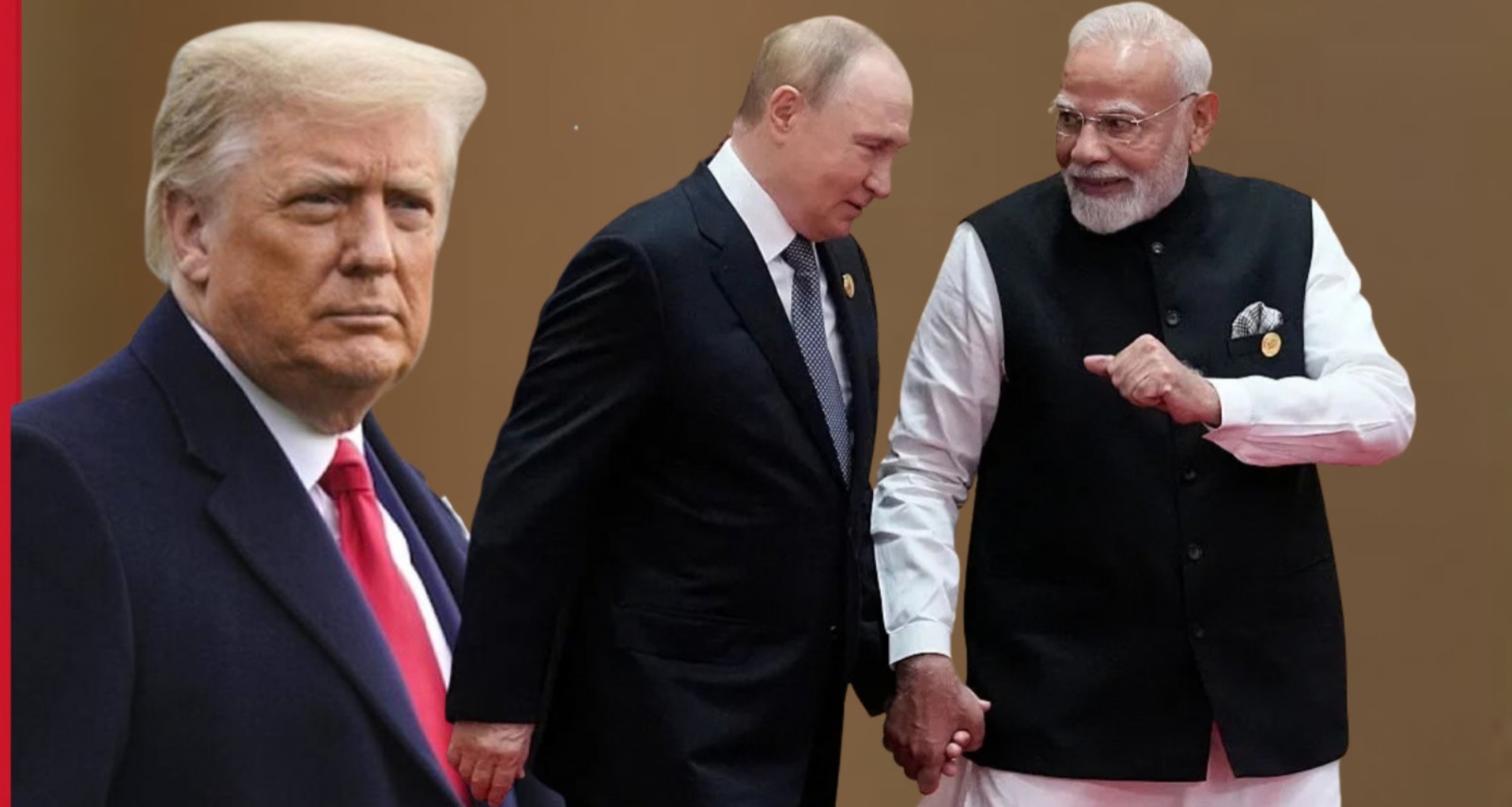
India has said that ensuring the energy security of its 1.4 billion people remains New Delhi’s top priority, even after the US Congress passed a bill that could give President Donald Trump the authority to impose tariffs of up to 100 per cent on countries that continue to purchase Russian oil and gas.
India’s Ministry of External Affairs (MEA) said the country will continue to monitor developments related to energy imports from Russia and secure supplies from diversified sources based on evolving market conditions. It also said that all necessary measures would be taken to protect India’s trade and economic interests.
The MEA said, “India remains firmly committed to ensuring the energy security of its 1.4 billion people.”
What Does the Russia Sanctions Bill Say?
The US House of Representatives passed the Lindsey O. Graham Sanctioning Russia and Iran Act of 2026 by 262-159 votes. The bill had earlier been approved by the US Senate and has now been sent to President Donald Trump for his signature.
If enacted, the bill could give the president authority, subject to specified conditions, to impose secondary tariffs of up to 100 per cent on goods from countries that continue to purchase Russian energy or assist Russia in evading sanctions.
One of the bill’s key objectives is to increase economic pressure on Russia by targeting its energy revenues, financial networks and vessels involved in transporting Russian oil while evading sanctions.
The legislation also includes limited exemptions for countries that reduce their purchases of Russian energy. At the same time, it proposes extending certain sanctions related to Iran’s energy and weapons sectors for another five years.
Trump has previously indicated that he would sign the bill. However, passage of the bill does not mean that a 100 per cent tariff has been imposed on India immediately. The legislation would first have to become law, after which the US administration would decide how to implement its provisions.
Why Is India’s Energy Security Important?
India imports a large share of the crude oil it consumes. As a result, global oil supplies and prices have a direct impact on the country’s economy.
A significant rise in international oil prices could increase costs in the transport and industrial sectors. This could also affect consumers and create additional pressure on inflation.
Against this backdrop, India has been pursuing a policy of sourcing energy from diversified countries and markets rather than relying on a single supplier, according to the MEA.
Potential Impact on India-US Trade
Potential US tariffs could have implications for India not only in terms of energy imports but also bilateral trade.
The United States is a major market for Indian exporters. If additional tariffs are imposed on Indian goods, prices of affected products in the US market could rise, potentially putting pressure on exporters.
India’s Ministry of External Affairs said the issue has been discussed with Washington at high levels.
New Delhi has told the United States that such measures could affect not only India-US bilateral relations but also the international energy market.
Disagreement Over the Bill in the US Congress
The bill aimed at increasing pressure on Russia has also faced opposition within the US Congress.
A total of 152 Democratic lawmakers in the House voted against the legislation. Critics have raised concerns about potentially giving the president broad tariff powers and the possible impact on businesses and global markets.
Supporters of the bill, meanwhile, argue that the proposed tariff provisions are intended to create economic pressure on countries that continue to purchase Russian energy or assist Russia in evading sanctions.
India’s Position: Monitoring Developments and Diversifying Sources
Following the passage of the bill in the US Congress, India has not announced any immediate decision to stop or reduce its purchases of Russian oil.
Instead, New Delhi has said it will continue to monitor changes in the international situation while maintaining diversification in its energy-import sources. The government will also work with Indian industry to address potential economic impacts.
The MEA further said that India remains determined to take all necessary measures to protect its trade and economic interests.
‘Buy Oil From Other Sources Instead of Russia’ — US Lawmaker
Following the House passage of the bill, US Senator Richard Blumenthal called on India and China to stop purchasing Russian oil and gas.
He urged India and China to buy oil and gas from alternative sources instead of Russia and criticised their continued purchases of Russian energy.
The Russia-Ukraine war and subsequent Western sanctions have significantly altered global energy trade. After Russia’s access to European markets was restricted, India became one of the major buyers of Russian crude oil.
Russian oil has consequently become an important component of India’s energy imports. If new US sanctions or potential tariff measures are implemented, they could have implications for India’s energy sourcing, import costs and trade with the United States.
However, no 100 per cent tariff has been imposed on India at this stage. After the bill becomes law, the key issue will be how the US administration decides to exercise the authority and which countries or products would be subject to the measures.