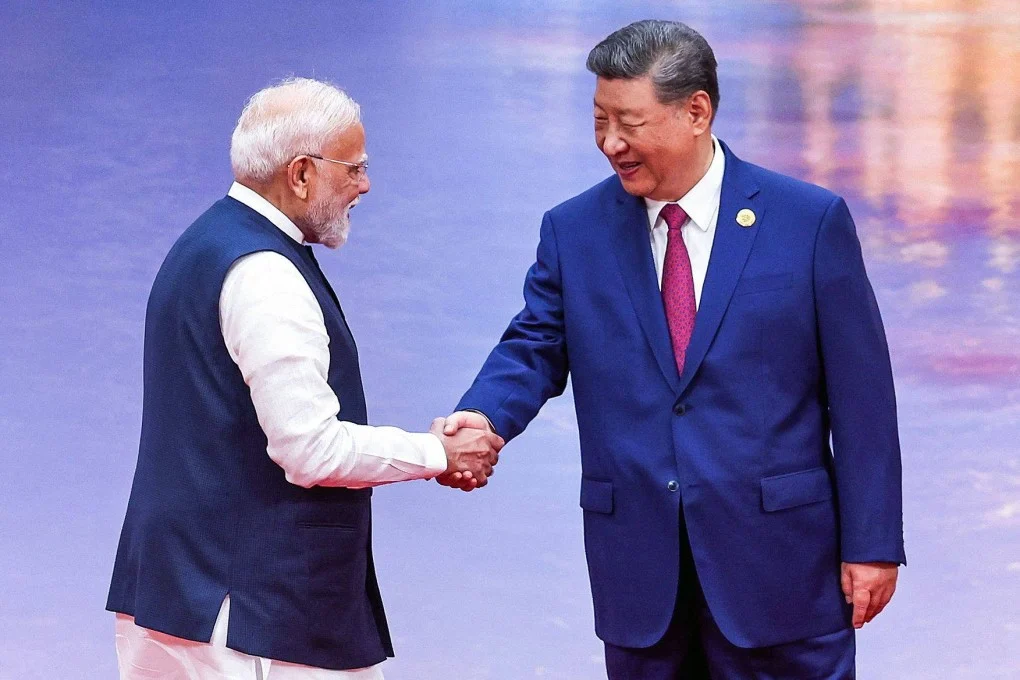

Indian PM Narendra Modi and Chinese President Xi Jinping to Hold Bilateral Meeting in Delhi on Saturday on Sidelines of BRICS Summit
New Delhi, India | September 10, 2026 | The Global Journal
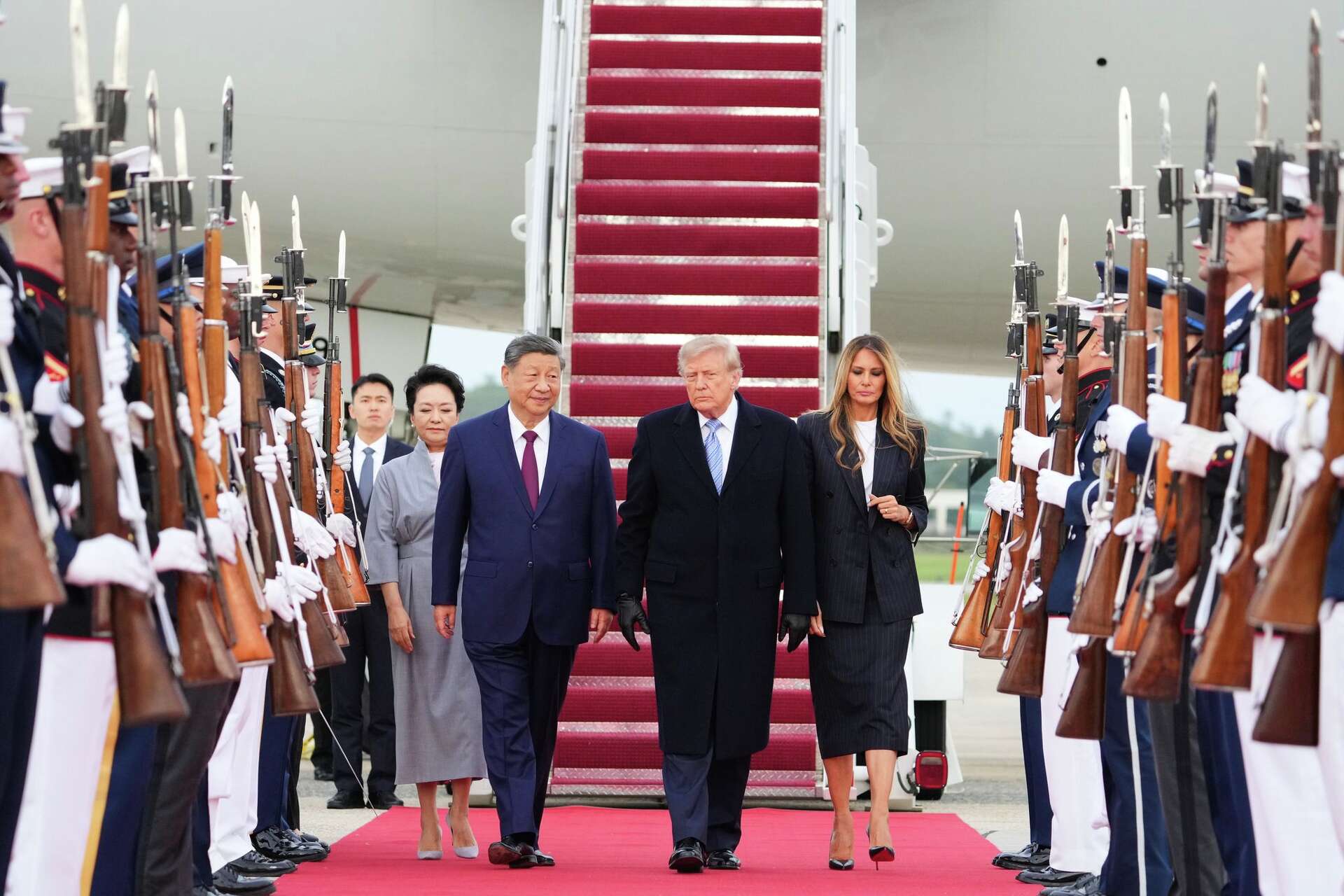
Indian Prime Minister Narendra Modi and Chinese President Xi Jinping are set to hold a bilateral meeting in New Delhi on Saturday on the sidelines of the BRICS Summit. Xi’s visit to India, his first in seven years, and the planned meeting are being closely watched as both countries seek to stabilise bilateral relations and maintain diplomatic engagement.
Xi is expected to arrive in New Delhi at around 11 a.m. on Saturday and leave India at approximately the same time on Sunday. He is expected to be accompanied by a large delegation of senior Chinese government officials and business representatives. Reuters has reported that the delegation could include around 400 officials, nearly twice the size of the delegation that accompanied Xi during his last visit to India in 2019.
China had not formally confirmed Xi’s participation earlier, although its foreign ministry had said that Beijing attaches great importance to BRICS cooperation and actively participates in the grouping while supporting India as the host. Recent reports indicate that Xi is preparing to attend the 18th BRICS Leaders’ Summit in New Delhi on September 12–13.
Relations Strained Since the 2020 Border Clash
India-China relations deteriorated sharply following border tensions in eastern Ladakh and the deadly clash between Indian and Chinese troops in the Galwan Valley in 2020. Twenty Indian soldiers were killed in the confrontation, after which New Delhi adopted a series of economic and strategic measures targeting Chinese investments and sought to reduce its dependence on China in critical supply chains.
Both countries also maintained large troop deployments and military equipment along the disputed border for an extended period.
Over the past two years, however, India and China have sought to reduce tensions through several rounds of military and diplomatic negotiations. In October 2024, the two countries reached an understanding aimed at partially resolving the military standoff in eastern Ladakh. The agreement paved the way for a meeting between Modi and Xi on the sidelines of the BRICS Summit in Russia that year.
Since then, high-level diplomatic engagement between the two countries has continued, although the border dispute remains unresolved. India maintains that the situation in Ladakh has not fully returned to the status quo that existed before the 2020 clashes. China’s claims over Arunachal Pradesh and continuing disputes in several border areas also remain major sources of tension.
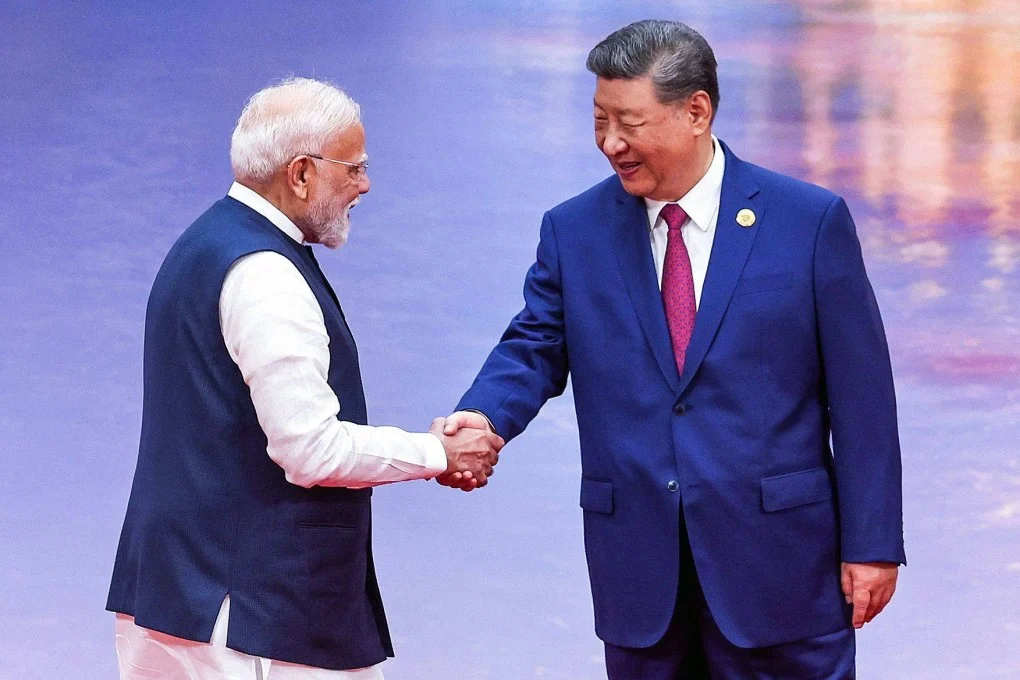
Cautious Diplomatic Engagement Rather Than a Full Thaw
Amid the evolving international geopolitical environment, India and China have been cautiously working to maintain communication and a functional relationship. However, the engagement does not necessarily signal a complete thaw in bilateral ties.
Significant differences remain over border and territorial issues, China’s close strategic relationship with Pakistan, access to critical technologies and rare earth minerals, and the approach to negotiations on the boundary dispute.
Indian military officials have also alleged that China provided real-time intelligence support to Pakistan during India’s Operation Sindoor last year. Indian Army Deputy Chief Lieutenant General Rahul R Singh said at the time that although the conflict was fought on one border, India effectively faced three adversaries—Pakistan, China and Turkey.
Trust Deficit in Trade and Technology
Despite increased political and diplomatic engagement, economic relations between India and China remain constrained by security and strategic concerns.
According to a recent Reuters report, India has stalled a proposal to link its Unified Payments Interface (UPI) with Alipay+ over national security and data privacy concerns. The proposal has faced scrutiny because of concerns related to Chinese links, customer data and potential cybersecurity risks.
India is also considering an investigation into Chinese smartphone manufacturer Xiaomi over alleged business irregularities and possible violations of foreign investment laws.
New Delhi has further raised concerns that Chinese companies have been restricting the supply of certain critical technologies and infrastructure equipment to India. These reportedly include port equipment, solar panels and machinery used in mobile phone manufacturing.
Restrictions involving rare earth elements and other critical minerals have added another strategic dimension to the economic competition between the two countries. Such minerals are increasingly important for defence technologies, electric vehicles, semiconductors and renewable energy, making secure access to them a major strategic priority for India.
What to Expect From the Modi-Xi Meeting
The Modi-Xi meeting comes at a time when India and China are attempting to stabilise relations while continuing to face deep disagreements over the border, security, trade and strategic competition.
The meeting is therefore likely to be viewed less as a definitive sign of a full diplomatic thaw and more as a cautious effort to manage tensions, maintain communication and prevent outstanding disputes from escalating into confrontation.
Xi’s first visit to India in seven years and his meeting with Modi could provide important signals about the future direction of bilateral relations. However, given the unresolved border dispute and persistent trust deficit, the immediate significance of the meeting may lie more in establishing a framework for managing differences than in achieving a major breakthrough.