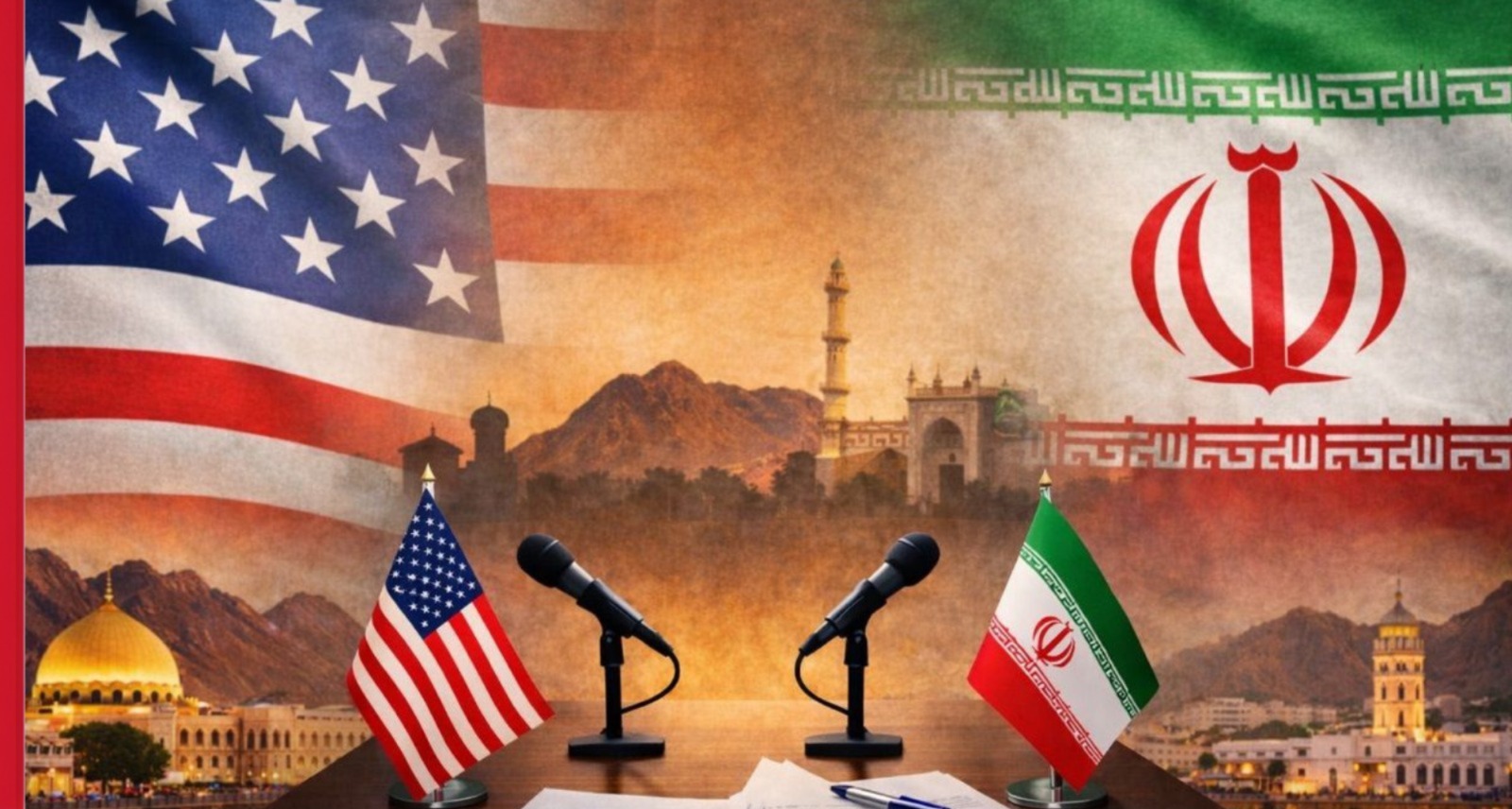

Iran will not hold talks with the United States until the conditions are met on Tehran’s national security secretary
TEHRAN, IRAN | September 15, 2026 | The Global Journal
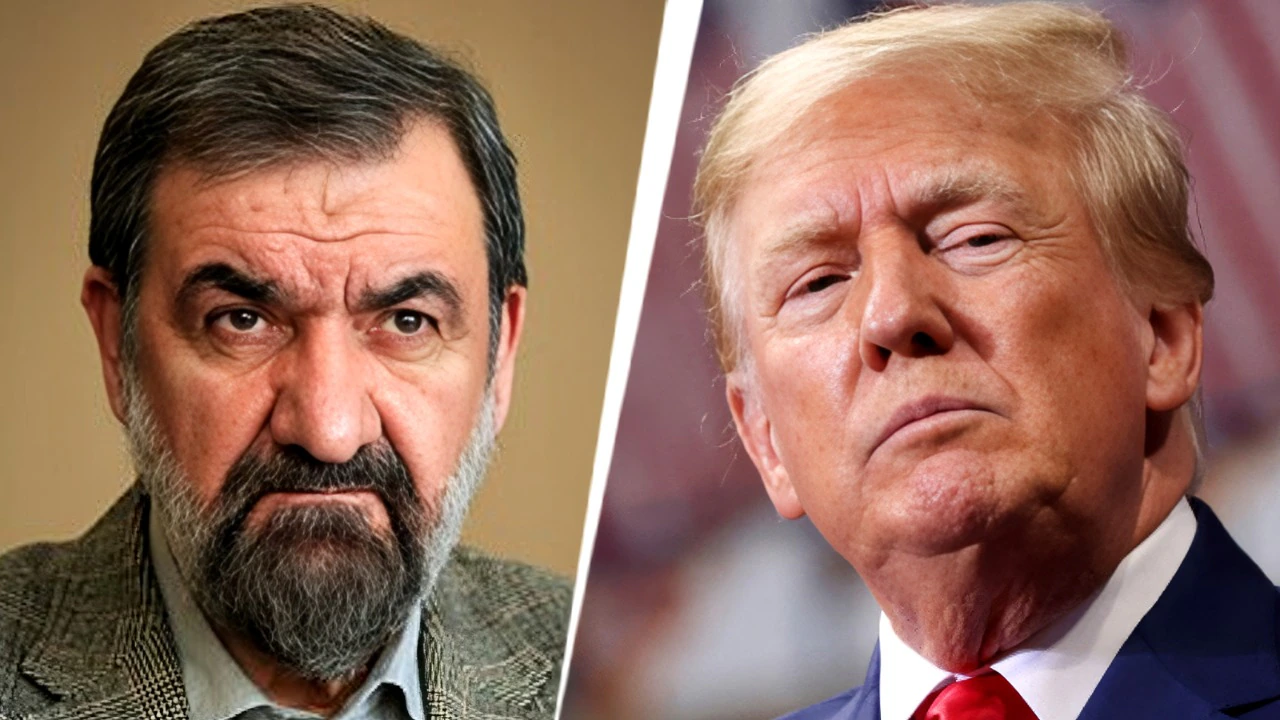
Iran will not engage in any new talks with the United States until its conditions are met, Secretary of Iran’s Supreme National Security Council Mohsen Rezaei has made clear. His remarks come amid ongoing tensions between Washington and Tehran, creating further uncertainty over the prospects for renewed diplomatic engagement between the two countries.
In a post on social media platform X on Tuesday, Rezaei outlined Iran’s position in response to recent remarks by U.S. President Donald Trump. On Monday, Trump claimed that Tehran wanted to reach a deal quickly and badly and suggested that the United States could resume negotiations with Iran.
Rezaei delivers strong response to Trump
While Trump spoke of the possibility of negotiations with Iran on his Truth Social account, Rezaei described the U.S. president’s statements as contradictory.
Rezaei urged people not to be distracted by what he described as Washington’s shifting messages—from “no negotiations” to “we are ready to talk.”
He also said that the significance of the situation surrounding oil and key maritime straits had changed. According to Rezaei, efforts aimed merely at “damage control” would not be enough to stop what is coming.
Rezaei then made Iran’s position clear, saying that there would be no talks until Iran’s conditions are met.
Uncertainty over the prospects for negotiations
Iran and the United States have long been at odds over Tehran’s nuclear program, regional security, sanctions and the U.S. military presence in the Middle East.
Against this backdrop, the two countries signed a memorandum of understanding (MoU) on June 18, according to the report. The understanding established a framework for further talks aimed at ending the fighting on multiple fronts in the region, including Lebanon, and reducing regional tensions.
Under the understanding, the two sides were expected to hold negotiations within 60 days in an effort to reach a final agreement. That deadline expired on August 17, but clear progress toward the expected talks has yet to emerge.
Growing importance of oil and maritime straits
Oil and maritime straits featured prominently in Rezaei’s remarks. Any military escalation around key waterways in the Middle East could have an impact on international energy markets and global trade.
The Strait of Hormuz, in particular, is a crucial maritime route for global energy supplies. Any further deterioration in the security situation in the area amid Iran-U.S. tensions could therefore have economic and geopolitical consequences extending beyond the Middle East.
Is the diplomatic path completely closed?
Although Rezaei’s remarks reflect a firm Iranian position, it remains unclear whether Tehran has completely ruled out the possibility of negotiations in the future. Much will depend on what Iran’s conditions are and whether Washington is prepared to address them.
At the same time, recent tensions and conflicting messages between Washington and Tehran have made the prospects for renewed direct diplomatic engagement increasingly uncertain.
Analysts say that reopening the door to negotiations could require progress on several key issues, including rebuilding trust, addressing security concerns and resolving disputes over economic sanctions.
For now, Rezaei’s message is clear: Tehran is not prepared to enter into new talks with Washington until Iran’s stated conditions are met.